
























































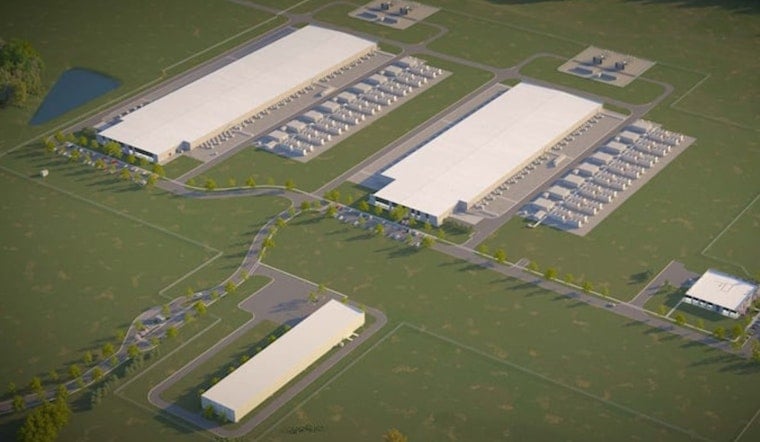
Jeffersonville has hit pause on any new data centers for a year, but the city’s biggest one is already moving ahead. The 8-0 vote came after residents pressed officials over noise, water priority, tax treatment and how quickly the $800 million Meta project took shape.
On Monday night, the City Council suspended its normal rules and pushed the moratorium through all three required readings in one session, according to WAVE. The administration had proposed a six-month pause, but Councilmember Jackie Snelling successfully pushed it to one year, meaning the freeze is expected to last until mid-2027 while planners write permanent regulations.
Meta’s River Ridge Campus Is The Big Exception
The moratorium comes with a fairly large asterisk: It does not stop Meta’s data center under construction at River Ridge Commerce Center. The River Ridge Development Authority says it owns and manages land inside the industrial park and coordinates development there, while working with nearby cities and counties rather than operating under ordinary city zoning procedures.
That arrangement is why Jeffersonville officials say they cannot approve or deny business uses inside River Ridge, even though the campus is physically within the city. River Ridge sits on the former Indiana Army Ammunition Plant, where land-use authority is governed through federal and state reuse rules and a long-standing interlocal structure. According to the Indiana Economic Development Corporation, the River Ridge Development Authority was established in 1998 as a mechanism for local governments to redevelop the former Indiana Army Ammunition Plant. A State Board of Accounts report says the River Ridge Development Authority was created to accept the former Indiana Army Ammunition Plant from the United States Army and operates under Indiana law and an interlocal agreement.
The financial picture is complicated, too. Officials disclosed that Meta paid $4 million in wastewater capacity fees upfront, with the project expected to produce between $300,000 and $400,000 in recurring monthly sewer revenue once fully operational, according to WAVE’s report.
But the city’s share of the upside is not as simple as a giant new property-tax check. Because River Ridge is a tax increment financing district, new property-tax revenue tied to development generally remains within the commerce center for industrial infrastructure rather than flowing directly into Jeffersonville’s general fund or local schools.
Residents Say The Infrastructure Tradeoff Was Hidden
Neighbors near the Meta site described generator testing as severe noise pollution and raised concerns that heat from the facility could affect nearby HVAC systems. Residents also objected to utility contracts that reportedly give Meta’s water supply priority over residential water during a natural disaster.
Several speakers said they felt “bamboozled” by confidential 2022 negotiations that bypassed public hearings and promised roughly 100 permanent jobs. The complaints landed against a project that city officials say will also generate local income-tax revenue from workers at the industrial park and during construction.
Jeffersonville’s debate is part of a broader Southern Indiana scramble to catch up with an industry that has expanded faster than many local zoning codes, as Louisville Public Media reported last month. New Albany, Clark County, Charlestown and other nearby communities have been considering moratoriums, zoning changes or outright restrictions as officials weigh power demand, water use, noise and limited permanent employment.
The potential regional power demand is also significant. According to IPL's 2025 Integrated Resource Plan, a large-load customer could prompt the utility to add up to 700 megawatts of natural gas and up to 820 megawatts of battery capacity. Indiana Michigan Power's 2024 integrated resource planning report says it is forecasting electric load growth from large data center development with electric capacity requirements exceeding 500 megawatts.
The original economic pitch remains substantial. The Associated Press reported that Meta’s nearly 700,000-square-foot Jeffersonville facility was expected to create about 100 long-term jobs and support as many as 1,250 construction jobs at peak, while helping power Facebook, Instagram, WhatsApp and other company services.
Jeffersonville Now Has A Year To Write The Rules
During the moratorium, the city’s planning commission is expected to draft permanent zoning language. The framework discussed by council members would remove data centers from standard industrial zones and place future facilities in a special overlay district with physical berms and significant buffers from residential properties.
In practical terms, Jeffersonville has bought time rather than full control. The city can rewrite the rules for industrial land it regulates, but Meta’s River Ridge campus will continue rising under a separate development authority while residents wait to see whether the next set of rules addresses the concerns that prompted the freeze.



