

























































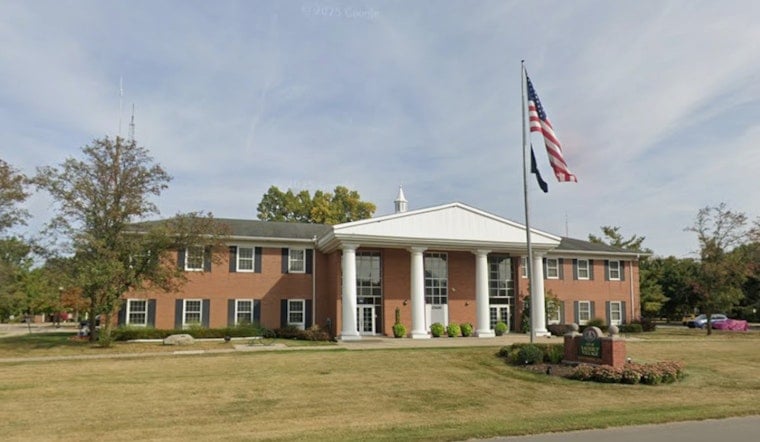
Water and sewer bills across Lathrup Village jumped automatically in July after the city overhauled how it charges residents for utilities, and some homeowners are furious that their bills climbed even though their water use didn't. Resident Lillian Lowery says her monthly bill rose by $80, an increase she says had nothing to do with how much water she actually used.
The city says the change was necessary to keep its water and sewer funds solvent. As reported by WXYZ Channel 7, the new rates are designed to help Lathrup Village avoid a nearly $500,000 deficit. Lathrup Village City Administrator Michael Greene said utility rate increases had been formally discussed since May 4, 2026, though many residents say they only learned the details once their bills changed.
What Changed on Residents' Bills
Effective July 1, Lathrup Village moved to a Ready-to-Serve billing model for standard 5/8-inch meters, replacing its old system of minimum four-unit billing with fixed monthly base charges plus per-unit usage fees, according to the City of Lathrup Village. Under the new structure, residents now pay a fixed monthly base charge of $17.65 for water and $48.95 for sewer, totaling $66.60, plus a $10.70 monthly bond fee, on top of variable usage charges of $5.15 per unit of water and $6.05 per unit of sewer.
Previously, the city billed every customer for a minimum of four units of water and sewer use regardless of actual consumption. The new model strips out that minimum-usage assumption entirely, replacing it with fixed readiness charges tied to the cost of maintaining the system whether or not water flows through the pipes. That shift explains why low-usage households, including retirees and smaller families, saw some of the sharpest increases even without any change in behavior.
Residents Push Back on Timing and Transparency
Lowery said the increase was unrelated to her actual water usage and asked for greater transparency from the city, including whether businesses were subject to the same fees, how long the new charges would last, and how much residents would ultimately pay. Fellow resident Roberta Carter criticized the city for adding charges without consultation or a public meeting, while Kenneth Carter said he believed residents were being treated unfairly.
City officials note that Lathrup Village did give a formal public presentation about the rate increases on June 15, 2026, and placed a notice about the change in its e-newsletter on June 18, 2026. A city council study session on the utility rate increases was also held. Greene declined a Zoom interview but agreed to communicate by email, and city representative Martha Bobcean said the city made major water and sewer billing changes because it could not keep up with rising costs. Bobcean was out of the office until August 23 and said she would begin addressing resident questions on August 24.
Why the City Says It Had No Choice
The pressure behind the rate change goes beyond a single budget year. City administrative staff reported during the June 15, 2026 City Council meeting that roughly 73% of Lathrup Village's water and sewer system expenses are fixed costs, covering wholesale water purchases from the Great Lakes Water Authority, sewage treatment through the Evergreen-Farmington Sewage Disposal System, and debt service, according to Citizen Portal. Because so much of the budget is locked in regardless of consumption, swings in resident usage under the old billing system created serious revenue instability.
An independent agency helped determine the new water rates, and a comprehensive financial review conducted for the city by the Michigan Rural Water Association found that keeping the old billing model would have driven local utility funds hundreds of thousands of dollars into arrears by June 2027. That finding, laid out in city documents, formed the basis for the council's decision to approve the new fee structure.
Aging Pipes Add to the Strain
Underlying all of this is an aging water system. Lathrup Village maintains roughly 31 miles of water main, including 17 miles installed before 1930 and 14 miles installed before 1972, according to a city infrastructure document — far beyond the standard 50-year expected lifespan for such pipes and a major driver of frequent, costly water main breaks.
The city isn't alone in facing higher costs. Regional wholesale utility rates set by the Great Lakes Water Authority board rose 5.8% for water service and 4.26% for wastewater treatment effective July 1, an increase that is putting pressure on utility rates across dozens of Southeast Michigan communities, per Planet Detroit. Lathrup Village buys its drinking water from the Great Lakes Water Authority through the Southeastern Oakland County Water Authority, an 11-community system serving roughly 210,000 residents.
The city has also received some outside help for infrastructure work. In February 2026, Michigan State Representative Jason Hoskins allocated $1.765 million in state funding for public infrastructure improvements along Lathrup Boulevard. Separately, Oakland County transferred the assets and liabilities of the Evergreen-Farmington Sewage Disposal System, which serves 15 municipalities including Lathrup Village, to a dedicated drainage district in June 2023 to comply with a state environmental consent order.
For now, residents are left weighing the city's financial rationale against bills that, in some cases, have risen sharply overnight. Lathrup Village, a city of about 4,059 residents with a median household income of $109,893, has said it will begin formally fielding resident questions about the changes in the coming days.





