

























































For a Lincoln woman who spent a decade being told to prepare for the worst, the newest chapter is measured in ordinary pleasures: travel, grandchildren, movement and the freedom to imagine buying an electric tricycle. That shift followed years of treatments for two serious blood disorders and a trial-based therapy that re-engineered her own immune cells.
Lisa Ferrero was diagnosed in 2015 with multiple myeloma and light-chain amyloidosis, and doctors gave her about five years to live. After years of treatments, a stem-cell transplant and a CAR-T clinical trial in 2025, she is off therapy for the first time in roughly a decade, according to The Sacramento Bee.
A Rare Diagnosis With A Punishing Treatment Road
Multiple myeloma has an average lifetime risk of less than 1% in the United States, according to the American Cancer Society. AL amyloidosis occurs when abnormal proteins build up in organs and tissues, and the National Cancer Institute notes that the condition can be associated with multiple myeloma.
Ferrero's treatment path included proteasome inhibitors, monoclonal antibodies and immunomodulators, followed by CyBorD — cyclophosphamide, bortezomib and dexamethasone — after daratumumab was unavailable to her. She then underwent chemotherapy and a stem-cell transplant, which left her with a severe depletion of infection-fighting white blood cells and about four months of quarantine. When her daughter Natalie gave birth in January 2025, Ferrero delayed starting CAR-T so she could stay nearby, then entered the trial in March and spent 17 days in the hospital, as detailed by The Sacramento Bee. Ferrero has emphasized that patients need to educate themselves and advocate for their care.
CAR-T Offered A Different Kind Of Gamble
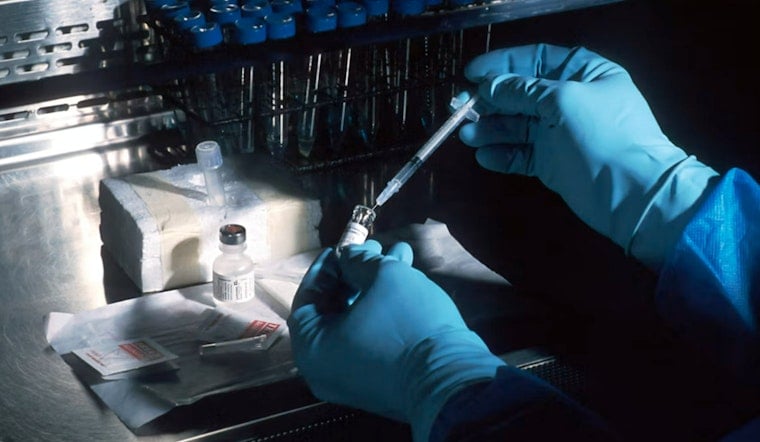
CAR-T is built from a patient's own T cells: the U.S. Food and Drug Administration says those cells are collected, genetically modified to target myeloma cells and infused back into the patient. In practical terms, that makes CAR-T less like a conventional drug and more like a personalized manufacturing-and-treatment process.
Ferrero's response does not turn a difficult disease into a simple victory lap, but it has given her room to be active again, travel and spend time with her grandchildren. After nearly a decade organized around the next infusion, test or hospital stay, planning for an electric tricycle may be the clearest sign yet that her future has started to feel like her own again.




