

























































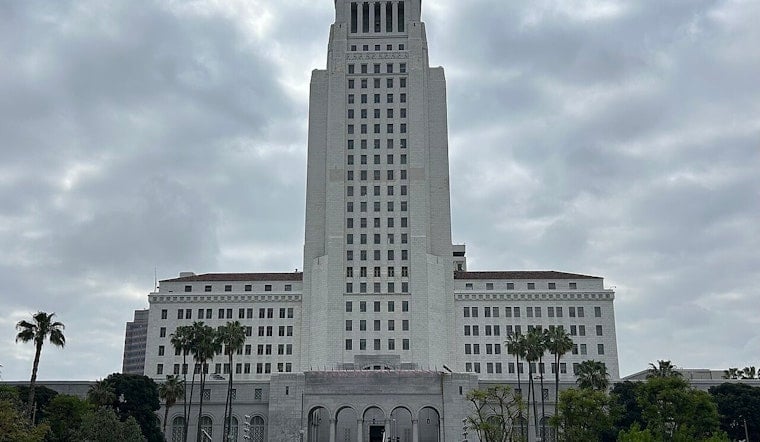
Los Angeles renters in older apartment buildings are now living under a new set of rules after Mayor Karen Bass signed the city’s first major Rent Stabilization Ordinance update in nearly 40 years. The law narrows the range of allowed annual increases to between 1% and 4%, eliminates certain utility and family-member add-ons, and is intended to keep more Angelenos from being priced out of their homes.
Bass signed the ordinance on December 23, 2025, after the City Council approved it earlier that month. Her August 5, 2026 post is a renewed spotlight on the change, not a new signing; the Mayor’s office said Bass enacted the update alongside Councilmembers Hugo Soto-Martinez, Bob Blumenfield and Katy Yaroslavsky. Bass said no parent should have to choose between buying groceries and paying rent.
What Los Angeles renters will see change
The revised formula ties annual RSO increases to 90% of the applicable Consumer Price Index, with a 1% minimum and a 4% maximum. It also removes rent increases tied to landlord-paid utilities and eliminates the automatic 10% increase for additional minor or adult dependents added to an existing tenancy, according to the Los Angeles City Attorney’s Office.
The ordinance became effective February 2, 2026, but the city’s currently published allowable increase is 3% for rent adjustments effective from July 1, 2026, through June 30, 2027. The Los Angeles Housing Department says the RSO generally covers rental units in properties built on or before October 1, 1978, so the change reaches a large share of the city’s older apartment stock.
A big policy shift with plenty of pushback
The mayor’s office says the RSO covers about 74% of rental units in Los Angeles, making the formula change potentially significant for tenants across the city. Supporters argued that the old system, which allowed increases from 3% to 8% and sometimes higher with utility adjustments, gave landlords too much room to raise rents during an affordability crisis.
Landlords and some housing advocates warned that lower rent increases could reduce money available for repairs, discourage investment or make it harder to build new housing. The Los Angeles Times reported that tenant advocates pointed to the number of Angelenos spending more than 30% of their income on rent, while opponents warned of unintended consequences for property owners and future development.
The law is now moving from City Hall to apartment buildings
The original signing was covered in Hoodline’s earlier report, but the practical question has shifted from whether the overhaul would happen to how it will affect rent notices, household changes and landlord calculations.
For renters, the most important details are whether a unit is covered by the RSO, when the last increase took effect and whether a proposed charge includes a now-prohibited utility or dependent adjustment. The Housing Department continues to publish the annual allowable percentage and provides city resources for tenants trying to determine whether their apartment is protected.





.jpg)