

























































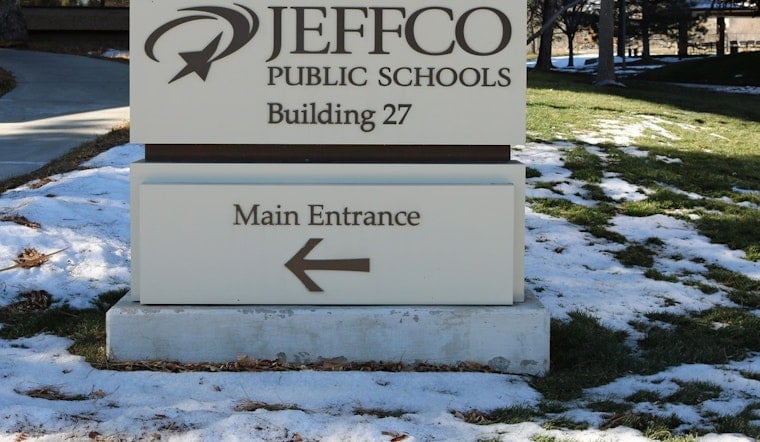
Jefferson County Public Schools, Kentucky's largest school system, is projected to enroll about 90,000 students for the 2026-27 school year — down from more than 100,000 in 2016. The decline, revealed through preliminary enrollment data obtained via an open records request, is leaving more Louisville school buildings running well under capacity and adding pressure to a district already grappling with a massive budget shortfall.
The enrollment slide, first detailed by The Courier-Journal, mirrors a pattern playing out in public school systems across the country. But in Louisville, the shrinking student population is colliding with a district facing an estimated $188 million operating deficit for the 2026-27 school year, one that Superintendent Brian Yearwood attempted to address last November with $132 million in proposed spending cuts. That budget hole opened up as federal COVID-19 relief funds JCPS had relied on began to expire.
A District Ranking Its Own Buildings for Closure
To figure out which schools to shrink, consolidate, or close, JCPS Operations built what it calls the Facility Profile Index, a ranking system that scores buildings on their physical condition, cost per student, and how full they actually are. According to the Manual RedEye, the index flagged 23 schools in critical categories for potential closure or consolidation, a list that stretched from Western High to Male High.
In an official proposal released Nov. 20, JCPS recommended closing Zachary Taylor Elementary, Liberty High School and King Elementary, with a board vote scheduled for Dec. 9. Zachary Taylor was among the schools identified as underenrolled.
Specialized Schools Hit Hardest by Empty Seats
Underenrollment is an issue for specialized programs. Yearwood's facility overhaul proposals recommended relocating Waller-Williams Environmental School, where low enrollment pushed the cost per student to approximately $111,000. Waller-Williams was operating at just 39% of its physical facility capacity, according to Jefferson County Public Schools.
Much of that enrollment erosion traces back to a transportation crisis that predates the current budget fight. In April 2024, the JCPS Board voted 4-3 to end district-provided busing for most magnet and traditional-school students amid a severe driver shortage, a decision that meant roughly 1,000 students would have to leave their magnet schools, as reported by WHAS11. The fallout was severe during the 2023-24 school year.
JCPS tried to soften the blow with a 2024 transportation stipend program, paying families $5 to $10 a day to drive their kids to school themselves. The program cost more than $2 million. That bridge collapsed too: the district eliminated the stipend for the 2025-26 school year as part of its broader cost-cutting, ending the program, per WDRB's reporting.
State Funding Formula Adds to the Squeeze
Kentucky's school funding mechanics make the enrollment drop even more painful. The district still faces facility costs as enrollment falls.
The district has also restructured its early childhood footprint in ways that ripple through elementary enrollment. In March, JCPS announced a shift to a center-based early childhood model for 2026-27, closing 10 early childhood sites embedded inside elementary schools and eliminating 30 classrooms to consolidate operations into 17 dedicated centers. Diane L. Porter Preschool, a new 23-classroom center in Buechel, opened this week as part of that consolidation.
The state-level picture is no brighter. Kentucky preschool enrollment rose 1.09% in 2023-24.
Layoffs Follow the Budget Gap
The enrollment and funding pressures have already reshaped the district's workforce. A Courier-Journal payroll analysis found JCPS eliminated 648 positions and reduced 32 others for the 2026-27 school year, a net workforce savings of $30.8 million, even as the board added 273 new targeted positions elsewhere, resulting in an overall reduction in headcount, as Hoodline reported in its earlier coverage of the cuts.
Taken together, the numbers describe a district under pressure: transportation cuts affected choice schools, the loss of federal relief added to budget pressure, and its buildings still need heating, staffing, and upkeep. With enrollment continuing to fall from more than 100,000 in 2016 to roughly 90,000 heading into this school year, the Facility Profile Index's list of 23 flagged schools is unlikely to be the last word on which Louisville buildings stay open.





