

























































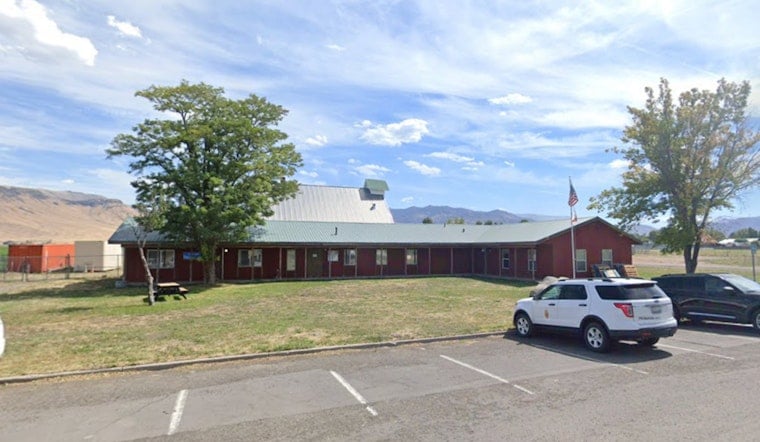
A small-town lease fight has turned into a scramble over where Sierra County’s probation officers will work, meet with clients, and respond to nearby school incidents. The Loyalton office could be out of its current home by October 31, even as city and county officials continue trying to find a deal that does not leave either side feeling shortchanged.
According to Sierra Daily News, Loyalton proposed raising the monthly rent from roughly $1,000 to $1,800, while Sierra County supervisors rejected a lease package they said would also add substantial liabilities. The city has characterized the proposed increase as an effort to bring the rent closer to fair-market value, while the county has begun looking for another location after receiving a 120-day termination notice.
The matter was placed on the Sierra County Board of Supervisors’ Tuesday agenda for continued discussion and possible action, with the city’s requested lease termination still set for October 31. The county agenda does not identify a final replacement site or announce that a new agreement has been reached.
Loyalton Location Matters Beyond The Lease
The probation office is housed in the Loyalton Social Hall, a building that also serves as an eastern meeting location for the county Board of Supervisors. In the July 21 meeting minutes, Supervisor Sharon Dryden said a possible alternative facility appeared viable, but confirmation from the property owner was still pending.
That same meeting drew support from Sierra-Plumas Joint Unified School District Superintendent Sean Snider, who said the district values having probation close to local schools because it does not employ school resource officers. County officials have said probation officers can respond on foot to incidents near schools, a daycare, the city park, and Little League fields, while clients can walk to appointments instead of arranging transportation to another community.
Sierra County’s own probation department page describes the agency as responsible for court services, pretrial monitoring, offender supervision, electronic monitoring, and victim support. Losing the Loyalton office would not eliminate those duties, but it could make them harder to deliver locally if the county cannot secure a private, accessible replacement space.
Rent Is Only One Piece Of The Dispute
The proposed lease would have changed more than the monthly payment, according to reporting by The Mountain Messenger. The county objected to provisions involving shared utilities, potential Americans with Disabilities Act issues, and broader responsibility for repairs, improvements, and other costs tied to an aging building the county does not own.
County officials have said they were willing to pay more but did not want to accept what they viewed as an open-ended transfer of building risk. Supervisors also previously considered buying the Social Hall, but the city declined the offer, leaving the two governments to negotiate over a month-to-month arrangement before the termination notice arrived.
Lease Fight Opens A Larger City-County Argument
The disagreement has now spilled into questions about sheriff’s services, tax revenue, and whether Loyalton’s financial contribution reflects the cost of county support. In the July 7 county minutes, Sheriff Mike Fisher said the department logged 632 calls for service within Loyalton during a one-year period, while the city’s law-enforcement agreement has not been renegotiated since 2009.
County supervisors said Loyalton pays about $2,500 per month for law-enforcement services, along with more than $100,000 in annual state grant funding directed to the county. City representatives and residents, meanwhile, have questioned how local tax dollars are distributed and whether the city is receiving enough visible service for what it pays.
For now, the October deadline remains in place, and the county is weighing alternatives ranging from another building to temporary modular offices. The immediate question is whether Loyalton and Sierra County can settle the lease before probation loses a strategically placed office—and before a dispute over a few hundred dollars in monthly rent becomes a much more expensive public-service relocation.




