

























































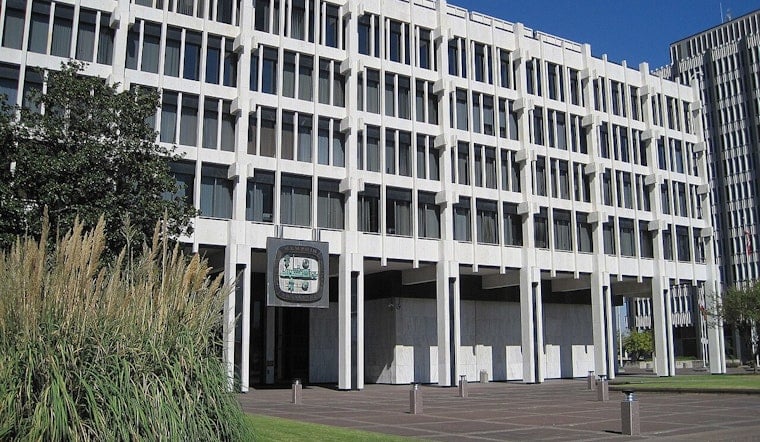
Memphis's credit rating has been downgraded after the city was found to have insufficient revenue, a financial blow that raises the cost of city borrowing and marks the municipality as a higher risk to lending agencies. The Tennessee State Comptroller's office confirmed the downgrade in a letter addressed directly to Mayor Paul Young and the Memphis City Council.
According to Action News 5, the comptroller's letter formally notified city leadership of the rating change tied to the city's revenue shortfall. The downgrade lands just weeks after the Memphis City Council passed a water-rate increase in July, a move tied in part to ongoing problems with the city's water infrastructure. Those billing headaches trace back to water meter issues that have caused inaccurate billing across the system, with Memphis Light, Gas and Water now in the process of replacing the faulty meters.
The timing adds pressure to a city government already facing scrutiny from bond-rating agencies over its finances. In February, S&P Global Ratings assigned an “AA” long-term rating to Memphis's $137.49 million series 2026 general improvement bonds while affirming the city's overall “AA” general obligation rating — but with a negative outlook, warning that structural budgetary gaps and declining reserves could trigger exactly this kind of downgrade.
Rating Agencies Split on Memphis's Fiscal Health
Not every credit agency has read the city's books the same way. In June, Fitch Ratings affirmed Memphis's Issuer Default Rating at “AA” and actually revised its outlook from negative to stable, pointing to the city's financial resilience and reserves kept above 7.5% of spending despite long-term liability burdens. That more optimistic read came just weeks before the state comptroller's letter, underscoring how differently rating agencies have weighed the city's reserve levels heading into the back half of 2026.
Memphis water rates have been on the rise since January 2020, a period that has coincided with mounting technical troubles at the city-owned utility. Manufacturer-related register malfunctions affected roughly 38,000 MLGW gas and water meters, leading to widespread bill delays, estimated usage billing, and customer disputes that stretched through 2024 and 2025, per the utility's own account. MLGW, which bills itself as the nation's largest three-service public utility, serves approximately 421,000 customers across Memphis and Shelby County.
State Oversight Has Been Aggressive Across Shelby County
Tennessee state law gives the State Comptroller of the Treasury broad regulatory authority over municipal budgets and debt issuance, including the power to reject local budgets and restrict short-term borrowing when fiscal imbalances or noncompliance surface. That authority isn't theoretical: the comptroller's office rejected Shelby County's own local government budget in late 2025 over structural imbalances and missing financial details, part of a wider pattern of aggressive fiscal oversight across the county.
The Memphis City Council, meanwhile, passed Mayor Young's $900 million FY2027 operating budget and $100 million capital improvement plan in June while holding the property tax rate steady at $3.39 per $100 of assessed value, according to Tri-State Defender. That decision to leave property taxes untouched came weeks before the state's scrutiny intensified, leaving the city to lean on utility rate adjustments and other revenue levers instead.
MLGW rolled out a 4% electric rate adjustment for 2026 in August as part of a multi-year rate restructuring plan meant to generate capital for aging infrastructure and smart meter replacements. But that strategy runs into a stark demographic reality: more than 20% of Memphis residents live below the federal poverty line, according to the Institute for Public Service Reporting, a poverty rate that creates a heavy energy burden and makes steep utility hikes politically fraught for city leaders.
Borrowing Costs Now Rise for the City
The immediate consequence of the downgrade is straightforward: Memphis now faces higher costs when it borrows money, and lending agencies will view the city as a bigger financial risk going forward. That comes on top of a separate warning sign from last year, when S&P issued a triple-notch downgrade on Memphis sewer system revenue bonds in March 2025, citing a sharp decline in unrestricted municipal cash reserves — a pattern of strain in the city's enterprise funds that predates this latest downgrade to the general obligation rating.



