

























































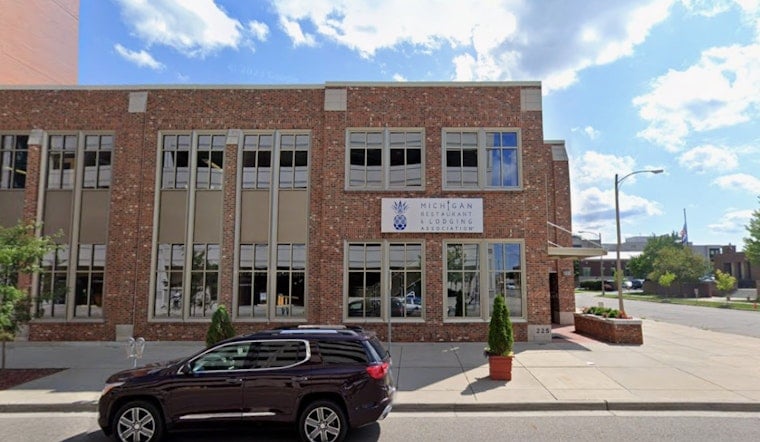
The Michigan Restaurant and Lodging Association is asking state lawmakers for $3 million in Pure Michigan promotional funding to help the hospitality industry recover from a summer of canceled trips and shuttered patios, after Canadian wildfire smoke shrouded Michigan in mid-July. Tourist draws from Mackinac Island to small beach towns took a hit, and the damage spread from big resorts like Boyne Mountain Resorts down to small mom-and-pop shops. Large businesses felt it too, as the smoke kept visitors away during the peak of the summer season.
Jack Trebtoske, the MRLA's director of government affairs, testified before the Michigan House of Representatives to push for the money, which he said would fund a fall marketing campaign aimed at winning back lost tourism dollars, according to CBS News Detroit. Trebtoske told lawmakers that wildfire-related economic damage is hitting businesses statewide and argued the state can address both the fires themselves and the financial fallout they left behind. He also clarified that he does not want the requested funding to go strictly toward paying social media influencers.
Smoke Choked Michigan's Air for Nearly a Week
The wildfire smoke that drifted down from Canada and northern Minnesota triggered six consecutive air-quality alerts across Metro Detroit from July 15 to July 20, with local air quality index readings briefly spiking to 724 — among the most polluted readings anywhere in the world at the time, according to WDET. Anything over 301 on that scale is considered hazardous to human health, and Hoodline previously reported on the region's smoke crisis as it unfolded in July.
An analysis from East Lansing-based Anderson Economic Group found that the smoke caused more than $4 billion in direct economic losses to Michigan, ranking the state second only to New York, which suffered an estimated $5 billion in damage, per WTVB. That total accounted for canceled events, park closures, health care costs and lost consumer spending, and tourism was identified as one of the hardest-hit sectors. The same findings, as detailed by WILX, showed the losses rippling into construction, agriculture, outdoor retail and transportation, along with rising medical costs for workers exposed to fine particulate pollution.
A Budget Cut Landed Right as the Crisis Hit
The funding request lands just as the state trimmed its own commitment to tourism marketing. Michigan's fiscal 2027 budget allocates $9 million to the Pure Michigan campaign, down from $17 million in fiscal 2026, per the same CBS News Detroit report. Pure Michigan is funded through the state's general fund, and any new money for the MRLA's request would have to move through a supplemental budget bill and complete the full appropriations process before it reaches the campaign.
Not every lawmaker is convinced marketing dollars are the right fix. State Rep. Brad Paquette, a Republican from Niles, questioned whether the $3 million would be better spent funding an effort to put out the wildfires themselves rather than promoting travel around them. Michigan lawmakers pressed for details of the funding request, a skepticism that has only grown since Hoodline reported the Michigan Economic Development Corporation had already steered roughly $500,000 toward social influencers for Pure Michigan promotion.
Industry Argues Marketing Pays for Itself
The MRLA and its allies lean on research showing Pure Michigan pays for itself many times over. Tourism research from SMARInsights and Travel Michigan found the campaign generated between $9.21 and $10.78 in state tax revenue for every $1 spent on paid media, according to the Traverse City Record-Eagle, which reported the figures as the campaign marked its 20th anniversary this year.
The Michigan Hospitality & Tourism Alliance, which represents 13 statewide tourism organizations, had already pressed lawmakers in May 2025 to fund Pure Michigan at $40 million annually, warning that deep cuts would cost jobs and tax revenue, according to the Michigan Hospitality & Tourism Alliance. That tension between hospitality trade groups and state appropriators over marketing dollars predates this summer's wildfire smoke crisis by more than a year.
Coastal Businesses and State Parks Felt the Losses Directly
The Michigan Department of Natural Resources temporarily waived campsite cancellation fees and offered full refunds for state park reservations booked between July 15 and July 19, an acknowledgment of just how disruptive the hazardous air had become for one of rural Michigan's biggest summer draws, according to a statement from the Michigan Department of Natural Resources.
Coastal restaurants took a direct hit too. Noto's at the Bil-Mar in Grand Haven reported $50,000 in lost revenue after closing its beachside dining room for two days during the worst of the smoke, per WGVU News. Small beach towns and mom-and-pop shops up and down the coast reported similar disruptions during what is normally the peak of the summer season.
A Sector That Anchors One in 17 Michigan Jobs
The stakes extend well beyond a single marketing line item. A Travel Michigan economic impact report found the state's tourism industry supported 351,292 jobs — one in every 17 jobs statewide — and generated $30.7 billion in direct visitor spending and $54.8 billion in total economic impact in 2024, according to DBusiness. Food and beverage operations alone account for 96,000 of those jobs, underscoring why the MRLA sees the smoke-driven losses as a threat to a major pillar of the state's economy.
Whether the $3 million request survives the legislative process remains an open question. It still needs to clear the full appropriations process before any of it reaches Pure Michigan's advertising budget, and lawmakers like Paquette have signaled they want more scrutiny of exactly how the money would be spent.





