

























































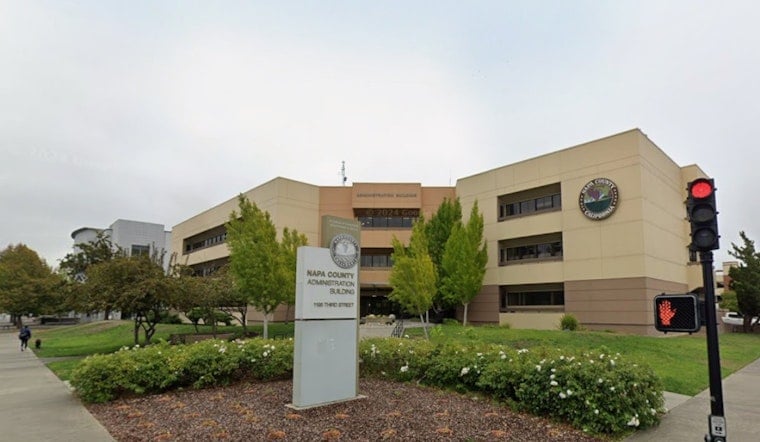
Napa County and its five cities are closing in on a final vote for a sweeping regional climate plan that would push wineries toward mandatory sustainability certification, phase out gas water heaters and furnaces, and steer tourists out of rental cars, all in pursuit of carbon neutrality by 2045. The Napa County Board of Supervisors is set to consider adoption of the plan on November 3, with American Canyon, Calistoga, St. Helena, the City of Napa, and the Town of Yountville each expected to take up their own versions afterward.
Public comments helped shape the proposed final version of the document, according to The Napa Valley Register, which reports that Napa County and its five cities have now received the proposed final version of the Regional Climate Action and Adaptation Plan. The plan is priced at $1.1 billion and aims for carbon neutrality by 2045, aligning with California's statewide mandate under Assembly Bill 1279, which requires economy-wide carbon neutrality by that year and at least an 85% cut in emissions below 1990 levels, according to LegiScan. Napa County has also released a companion California Environmental Quality Act Initial Study and Mitigated Negative Declaration, with public comment on that environmental document closing August 31.
Where the Emissions Actually Come From
The plan's roadmap traces back to a 2019 baseline inventory showing the region produced 1.2 million metric tons of carbon dioxide equivalent that year, with on-road transportation responsible for 39%, building energy for 23%, solid waste for 16%, off-road equipment for 9%, and agriculture for 8%, per DPF Law. That baseline year was chosen specifically to avoid skewing the numbers with pandemic-era commuting anomalies. Technical modeling behind the plan's 46 measures across seven sectors found that two waste strategies alone, expanding landfill methane capture and boosting solid waste diversion, could deliver up to 51% of the region's total emissions reductions by 2030.
The Register reports the plan calls for increasing garbage diversion from landfills from 51% in 2019 to 75% by 2030 and 85% by 2045. Recommended strategies also include reducing winery waste-hauling emissions, restoring woodlands and forests that sequester carbon, and expanding urban-forest tree canopy in local cities by 20% by 2035. The revised plan describes a phased approach that prioritizes financial incentives and education in its early stages, with streamlined permitting and additional support mechanisms arriving later.
Cars, Parking, and Getting Tourists Off the Road
A travel demand management program at the center of the plan would improve mass transit and carpooling options, increase bicycle parking, and work to reduce vehicle miles traveled by tourists, the Register reports. Napa County and its cities plan to partner with the Napa Valley Transportation Authority, Visit Napa Valley, and area businesses on that effort. The plan also envisions long-term parking strategies including permit parking, time limits, and metered parking, arguing that limiting parking supply can push people toward transit and other travel modes.
Some of the more granular ideas floated in the plan include letting apartments near bus routes offer separate rents for living units and optional parking spaces, reducing required parking spaces at new developments to promote buses and carpools, and adding more electric-vehicle charging stations along with additional EV rebates for residents.
Wineries Face New Certification Mandates
The plan's most consequential ask for Napa's signature industry is a certification mandate: 75% of existing wineries and vineyards would need to achieve sustainability certification through programs like Napa Green by 2030, rising to 90% by 2045, according to DPF Law. New wineries established after 2030 would need to hit 100% compliance immediately, and existing wineries that expand their building footprint by more than 10% would also trigger the certification requirement. The Register's reporting confirms the same 75%-by-2030 and 90%-by-2045 targets described in the plan.
The wine industry is not entirely on board. Napa Valley Vintners said the proposed plan lacks sufficient implementation details and priorities, while Jolene Yee wrote in a letter that the funding strategy is vague and leaves businesses uncertain about their costs. County staff responded that detailed cost-benefit analyses and specific cost impacts to businesses and residents fall outside the plan's scope, and that the document instead provides a framework Napa County and its cities will further develop over time. The revised final plan did drop an earlier proposal for a tourist tax or paid parking at wineries.
Gas Appliances, Diesel Pumps, and Cattle Feed
On the building side, the plan recommends retrofitting existing homes and businesses to zero carbon by 2045, with zero-carbon retrofits including swapping natural-gas water heaters and furnaces for electric alternatives. Those retrofits may require electrical panel upgrades and other work, and costs can reach tens of thousands of dollars. The Register reports that government officials would determine appliance age from permits, and that local governments might call homeowners directly when gas furnaces or water heaters reach replacement age.
Those local plans are unfolding alongside regional regulatory shifts. The Bay Area Air Quality Management District is honing rules to ban sales of natural-gas water heaters and furnaces, but in July the district released draft amendments proposing a one-year extension and new affordability exemptions for that rule, which originally set a strict 2027 compliance start date. Napa's Regional Climate Action and Adaptation Plan also targets agriculture directly: all diesel irrigation pumps would need to switch to electric, solar, or renewable diesel by 2035, a phase-out that will lean on financial incentives and trade-in programs, and agricultural tractors and equipment are meant to move away from fossil fuels as well. Napa County and regional partners also plan to promote feed additives such as seaweed to suppress cattle greenhouse-gas emissions.
Activists Say the Timeline Fell Short
Underlying much of the debate is a gap between ambition and outcome. In 2021 and 2022, Napa County and all five incorporated municipalities passed climate emergency resolutions committing to a shared goal of net-zero climate pollution by or before 2030, according to Napa County's climate action project materials. The plan now headed to a vote instead targets 2045, and that gap has not gone unnoticed. Jim Wilson recalled those earlier resolutions seeking net-zero pollution by 2030, while Mark Joseph said officials appear more committed to California's 2045 target than to the county's own 2030 goal, adding that the climate plan process probably should have started back in 2000.
Other residents pressed for accountability and clearer messaging. Yvonne Baginski said city councils continue approving development and increasing greenhouse-gas emissions even as the plan moves forward, and Joelle Gallagher said government processes are slow and that actions should match words. Bernie Narvaez stressed that clear, non-technical communication will be important for public buy-in, while David Graves said the community accepts business as usual regarding climate change and that a sense of urgency is conspicuously absent.
What Happens Next
The plan traces back to October 2020, when Napa County, American Canyon, Calistoga, Napa, St. Helena, and Yountville formed a Joint Powers Agreement establishing the Napa County Climate Action Committee to unify city and county climate goals after earlier county-only efforts stalled. In 2023, former State Senator Bill Dodd secured a $500,000 state budget allocation that helped the six jurisdictions share consultant and administrative costs on the planning process, according to county records. The Climate Action Committee released comments to the 2025 draft plan along with 50 pages of staff responses, and the committee is scheduled to meet again on September 25 to consider recommending that Napa County and its cities formally adopt the plan.
Beyond the emissions targets, adoption carries a financial incentive for local governments: formal approval of a qualified regional plan would let member jurisdictions offer California Environmental Quality Act streamlining under Guidelines Section 15183.5 for future housing and commercial developments that align with the plan's policies, according to Ascent. That streamlining would lower environmental review costs and legal risk for compliant projects, giving city councils an added reason to sign on. County officials maintain that Napa County's jurisdictions are positioned to address climate-change challenges while enhancing residents' quality of life, though whether that reassures residents pushing for a faster timeline remains to be seen.





