

























































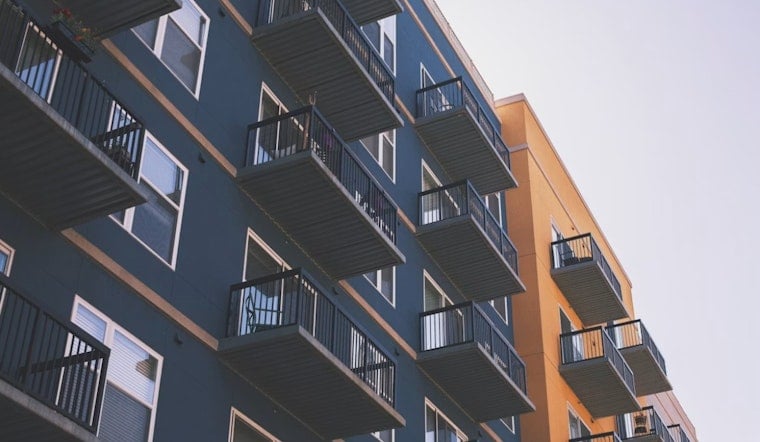
New apartments built in Cincinnati have shrunk by 52 square feet since 2016, now averaging just 849 square feet, according to a new analysis of the local rental market. Studios have taken the biggest hit, losing 145 square feet over the same period to land at an average of 460 square feet. The shift places Cincinnati 67th among 100 metro areas studied nationwide, with the city's studio shrinkage ranking as the ninth-steepest decline in the country.
The findings come from a Cincinnati Enquirer report by Sydney Franklin, which draws on RentCafe's review of 100 metropolitan areas nationwide. Unlike many cities where developers are packing in more studios and one-bedrooms, Cincinnati builders have leaned the opposite direction over the past decade, constructing more one-bedroom units than any other type and pushing two-bedroom construction to 34% of new apartments — a pattern the Enquirer's report says contrasts with national trends favoring smaller unit types.
One-bedroom apartments have accounted for over half of all new construction in the city, averaging 698 square feet, while new two-bedroom units average a relatively spacious 1,089 square feet. The Enquirer's report suggests Cincinnati developers may be responding to a strong market for roommates, demand from single renters and couples who want an extra bedroom for office space, and possibly families choosing to rent for longer instead of buying.
Cincinnati Bucks a National Rebound in Apartment Size
Cincinnati's shrinking new-build footprint stands out against a broader national reversal. Newly constructed apartments across the United States expanded to an average of 908 to 910 square feet in 2024 and 2025, according to RentCafe, breaking a decade-long trend of national shrinkage as cities including San Francisco added floor space to new units. Most of that national growth came from new apartments built primarily in the South during the period analyzed, RentCafe found.
Seattle claimed the title of smallest new apartments nationwide at an average of 645 square feet, followed by Portland at 665 square feet and Brooklyn at 714 square feet — all well below Cincinnati's 849-square-foot average, even as Cincinnati trends smaller than it once did. RentCafe research analyst Veronica Grecu has said that declining average apartment sizes in high-demand markets often reflect a deliberate developer strategy: building more studio and one-bedroom units to expand total housing availability, rather than a simple reduction in rental value.
How Cincinnati's Shrinking Units Fit the Bigger Housing Picture
The compression in new floor plans is unfolding alongside a broader regional construction boom and a major local zoning overhaul. Greater Cincinnati's multi-family vacancy rate reached 8.1% in the fourth quarter of 2025 and climbed to 9.3% in the first quarter of 2026, according to Cushman & Wakefield, following roughly 14,000 unit completions over five years — the market's highest vacancy level since 2005. That surge in supply has coincided with the city's 2024 “Connected Communities” zoning reform, which eliminated off-street parking minimums and allowed middle housing near transit corridors after Cincinnati recorded its first population growth in 70 years.
City planning officials reported in February that the zoning changes improved regulatory efficiency to 16.3 building permits for every zoning hearing in 2025, yielding a net gain of nearly 1,300 housing units led by Oakley and Downtown, per WVXU. Even so, regional apartment completions are projected to fall 13% in 2025 to 3,299 units after totaling 3,782 in 2024, according to MMG Real Estate Advisors, suggesting the construction wave that pushed vacancy rates up may be starting to slow.
What Renters Are Actually Paying
Despite shrinking new-build sizes, overall rents across Cincinnati's existing apartment stock averaged $1,482 per month for 876 square feet as of August, a 2.4% year-over-year increase, according to RentCafe. Downtown Cincinnati tells a different story: overall rents there averaged $1,920 per month for 892 square feet, actually down 1.28% year-over-year, while downtown studios averaged 503 square feet at $1,284 per month.
Cincinnati's building activity still trails several peer metros. Greater Cincinnati developers issued 7,089 residential building permits in 2024, or 3.1 permits per 1,000 residents, ranking the metro 12th among 20 peer Midwestern and Southern regional economies, according to the Cincinnati Regional Chamber. Cities like Atlanta and Austin led that ranking with more than 30,000 permits each, underscoring how much smaller Cincinnati's construction pipeline remains by comparison even as local floor plans continue to shift.





