

























































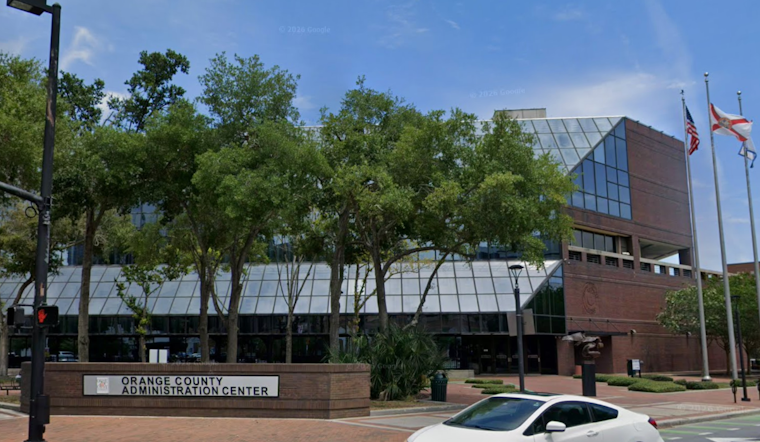
Orange County commissioners have approved another $2 million for the county's medical debt relief program, pushing the total amount of forgiven medical debt past $637 million for more than 427,000 residents since 2024. The vote clears the way for a fourth wave of debt cancellation through the county's partnership with a nonprofit that buys up unpaid medical bills and erases them for pennies on the dollar.
According to Orlando Weekly, which first reported the vote, the additional $2 million is expected to erase roughly $200 million more in medical bills and could reach as many as 100,000 additional Orange County residents. A county spokesperson described the funding as unused surplus from Orange County's roughly $270 million allocation under the federal American Rescue Plan Act.
How the New Funding Will Work
Orange County partners with Undue Medical Debt, a nonprofit based in New York, which identifies medical debt held by collection agencies or hospital systems and purchases it in bulk before canceling it. The organization says it can erase an average of $100 in medical debt for every $1 invested, and it uses the county's funding specifically to purchase debt owed by eligible Orange County residents.
Recipients do not need to apply or take any action to receive relief; once debt is purchased and canceled, Undue Medical Debt mails notices directly to beneficiaries. Eligibility is based on income at or below 400% of the federal poverty line — $63,840 for a single-person household — or medical debt that exceeds 5% of a household's total income. Orange County's average medical debt cancellation has amounted to $1,620 per recipient.
A Program Rooted in 2023 Advocacy, Now a National Model
The initiative traces its origins to a 2023 campaign by Central Florida Jobs with Justice, Orlando Weekly reports, and the county remains the only Florida municipality partnered with Undue Medical Debt. Orange County's initial targets were debt held by patients treated at AdventHealth and Orlando Health, along with third-party debt collection agencies.
Nationally, Undue Medical Debt has partnered with more than two dozen local and state governments, and in June 2025 the organization surpassed $20.3 billion in medical debt erased for more than 13 million people since its founding in 2014, a milestone reached under its current name after rebranding from RIP Medical Debt in 2024. Allison Sesso said the partnership demonstrates community-minded leadership, according to Orlando Weekly.
Four Waves of Relief Since 2024
Orange County's medical debt relief has arrived in stages. The county announced a first wave of $472.5 million in debt cancellation in May 2025, followed by a second wave of $42.9 million in October 2025. That October total mirrored what Hoodline reported at the time, when the county's first two waves had cleared roughly $515 million for more than 300,000 residents. A third wave added another $43 million in April 2026, bringing the program's total to $559 million before this latest expansion.
The county has allocated $6.5 million to the debt relief program since 2024, drawing from its broader American Rescue Plan Act funds. The remainder of that federal allocation has gone toward business assistance, health and public safety, infrastructure, social and community services, and revenue recovery.
Vice Mayor Steps In as Demings Recovers From Cancer Surgery
Vice Mayor Kelly Martinez Semrad presided over this week's commission vote in Mayor Jerry Demings' absence, as Demings recovers from prostate cancer surgery performed July 28, according to Orlando Weekly. Demings, who suspended his campaign for Florida governor in June, has said doctors detected the cancer early and that he intends to complete his term as mayor through the year, the outlet reported.
Demings was one of two commissioners, along with Christine Moore, who voted against the program's original $4.5 million allocation in August 2024, preferring to direct pandemic relief funds toward homelessness initiatives instead, according to FOX 35 Orlando. He has since praised the results, having watched the program clear hundreds of millions of dollars in resident debt in the years since.
Florida's Broader Medical Debt Crisis
The relief effort lands amid a statewide medical debt crisis. Roughly 6.6% of Floridians have medical debt in collections, with a median collection amount of $1,593, and 11.1% of the state's residents lack health insurance, according to a March 2025 report from the Florida Senate Health Policy Committee. Florida remains one of ten states that has not expanded Medicaid under the Affordable Care Act, per the same report, which also noted that state lawmakers passed CS/SB 656 that month, extending protections against aggressive collection actions by hospitals and ambulatory surgical centers while regulating debt sales to third-party collectors.
Those protections matter more given a July 2025 federal court ruling. A U.S. District Court in Texas vacated a Consumer Financial Protection Bureau rule that would have barred credit reporting agencies from including medical debt on consumer credit reports, leaving an estimated 15 million Americans with medical debt still visible on their credit files, according to Consumer Reports.
Statewide Ripple Effects and What's Next
Orange County's approach has echoed elsewhere. Undue Medical Debt expanded its Florida efforts in May, using philanthropic donations to erase more than $725 million in medical bills for over 623,000 Floridians, including more than 160,000 Central Florida residents, according to WFTV. Oakland County, Michigan, took a similar path, dedicating $2 million in American Rescue Plan Act funds to wipe out more than $15 million in medical debt for over 20,000 residents as of March, per Oakland County Government.
Orange County has paired debt cancellation with longer-term financial planning, launching free legacy and estate planning services in October 2025 through its Financial Empowerment Center — the first of its kind among Florida municipalities — backed by a $300,000 grant from the Cities for Financial Empowerment Fund, according to Florida Politics.
Nearly half of U.S. adults ages 18 to 64 struggled to afford healthcare in 2025, according to the Urban Institute, and medical debt remains one of the leading causes of bankruptcy nationwide. With Orange County's American Rescue Plan Act funds required to be spent by December 2026, it remains unclear whether future waves of relief will be financed through local tax dollars, philanthropic support, or some other mechanism once the federal funding runs out.




