

























































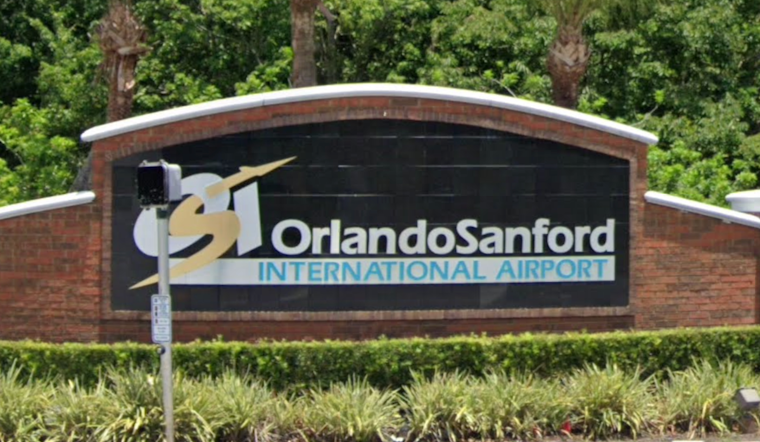
Central Florida’s airport name feud is finally over, and Sanford is keeping the brand that has sent more than a few travelers to the wrong terminal. A federal settlement now gives Orlando Sanford International Airport a clear legal path to keep its name and logo for good.
Last Wednesday, U.S. District Judge Paul Byron approved a settlement between the Sanford Airport Authority and the Greater Orlando Aviation Authority, which operates Orlando International Airport. The deal orders the U.S. Patent and Trademark Office to register Sanford’s name and logo, while allowing GOAA to avoid the expense of a trial, according to the Orlando Sentinel.
For travelers, the ruling does not mean a sudden airport makeover or a change in flight operations. Instead, it ends nearly a decade of legal uncertainty over whether two Central Florida airports could both use “Orlando” and “International” in their names, WFTV reported.
Sanford’s Name Survived A Long Trademark Battle
The dispute dates to 2016, when the Sanford Airport Authority applied to trademark Orlando Sanford International Airport and a related logo. The official USPTO notice records that the Trademark Trial and Appeal Board later sustained GOAA’s opposition, finding the marks likely to cause confusion.
Sanford adopted its current name in 1997 and has spent years defending the idea that its airport can market itself as part of the Orlando region without surrendering its own identity. The settlement lets the airport keep using the name and logo while giving both aviation authorities discretion to take steps addressing traveler confusion, the Orlando Sentinel reported.
The Airport Codes Still Matter More Than The Branding
Anyone booking a flight still needs to pay attention to the three-letter code: Sanford is SFB, while Orlando International is MCO. Orlando International’s official fact sheet says MCO comes from the former McCoy Air Force Base, while the Sanford Airport Authority’s official materials consistently identify its airport as SFB.
The practical confusion appears to have declined sharply even as the lawsuit dragged on. Complaints about travelers arriving at the wrong airport reportedly fell from more than 2,200 several years ago to just three during 2026, a sign that airline booking systems and traveler habits may be doing more work than a forced name change ever could.
No Forced Rebrand At Either Orlando Airport
The final judgment leaves both airports operating under their familiar names, with no immediate requirement to replace signs or overhaul public-facing branding. WFTV described the outcome as a legal win for Sanford that settles the dispute without changing how passengers use either airport.
So the name stays, the codes stay, and Central Florida’s airport rivalry gets to move on to more ordinary battles—routes, parking, traffic and whose security line is moving faster. For Sanford, though, the biggest victory is that its long-contested identity is now officially its own.





