

























































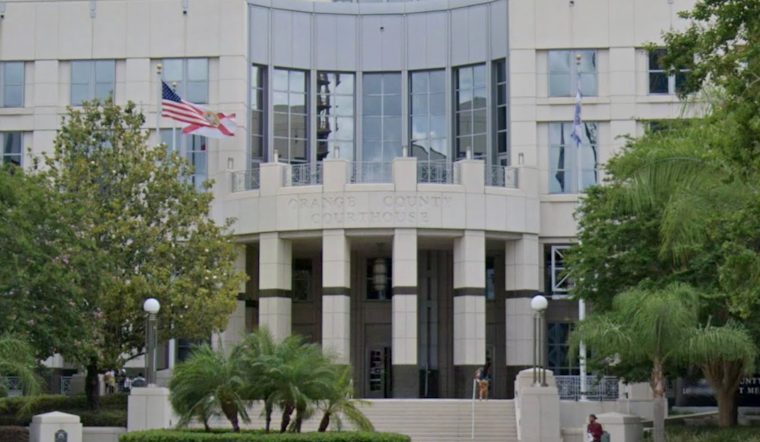
Amber Wolnomiejski bought her 2019 Nissan Rogue from an Orlando dealership in 2023, ran a vehicle history report, and made her payments like clockwork for two years. Then, in December 2025, Orange County deputies showed up and took the SUV away, telling her it had been stolen out of Orange County back in April 2019 and fitted with a fraudulent VIN.
Investigators found the Rogue actually carried three different vehicle identification numbers once they looked past the one stamped on the dashboard, according to WKMG. The dashboard VIN, the number most buyers and even dealers rely on, turned out to be fake, while a mismatch with the VIN stamped inside the doorframe was the red flag that eventually cracked the case open. The Orange County Sheriff's Office ultimately identified Wolnomiejski as a fraud victim rather than a suspect and returned the vehicle to its original owner, Enterprise Rent-A-Car, which had reported it stolen more than six years ago.
Wolnomiejski told the station she was required to simply hand the car over once deputies determined its true identity. She is still paying off a loan of more than $20,000 for a vehicle she no longer owns, at $330 a month, and had done her homework before buying it, pulling a vehicle history report from Carsforsale.com that came back clean.
Why a Clean Report Didn't Catch the Fraud
That clean report wasn't a fluke or an oversight on her part. Standard commercial vehicle history services like Carfax or Carsforsale.com only check the public record tied to whatever VIN is displayed, and they cannot detect when that number has been fraudulently swapped onto a stolen car, according to auto theft investigators cited by Fox 26 Houston. In other words, the fraudulent dashboard VIN on Wolnomiejski's Rogue matched a legitimate, clean record elsewhere — the scam works precisely because it slips past the databases buyers are told to trust.
Wolnomiejski bought the SUV from LC Motors 1 Inc., which had purchased the Nissan from a wholesale auction, per the WKMG report. Manheim, described as a nationwide wholesale used vehicle services company that facilitates millions of sales each year, relies on local law enforcement partners to investigate rare cases involving stolen vehicles, since it does not own the cars that pass through its auction lots. That supply chain — theft, wholesale auction, retail dealership, unsuspecting buyer — is common enough that the Orange County Sheriff's Office says stolen cars being re-vined have grown substantially alongside the rise of platforms like Facebook Marketplace.
A Lawsuit and a Familiar Pattern in Orange County
Wolnomiejski has now filed a lawsuit in Orange County Circuit Court against LC Motors 1 Inc., alleging breach of contract, fraudulent inducement, and civil theft, while she remains contractually obligated to keep paying off her loan. She is not the only Central Florida buyer to get caught in this kind of scheme. In April, WDBO reported that another local buyer, Marissa Crown, lost $10,000 in a separate Orange County VIN cloning scam after state title-tracking systems flagged discrepancies on her own newly purchased vehicle.
Under Florida law, the legal footing in these cases can feel brutally one-sided for buyers. Florida Statutes §812.014 and §812.019 require prosecutors to prove criminal intent or knowledge that an item was stolen before charging someone with possessing or dealing in stolen property, which is why bona fide purchasers like Wolnomiejski can avoid criminal charges even as they lose the vehicle itself, according to FindLaw. Separately, Florida Statute §78.068, governing prejudgment replevin and personal property rights, gives original crime victims superior legal title over stolen property — the statutory mechanism that required deputies to hand the Rogue back to Enterprise Rent-A-Car despite Wolnomiejski's purchase.
How Buyers Can Try to Protect Themselves
This is playing out against a national backdrop where organized theft rings increasingly favor VIN cloning as a way to monetize stolen cars. National Insurance Crime Bureau data shows that while nationwide vehicle thefts dropped roughly 17% in 2024, cloning has become a preferred tactic for moving stolen vehicles through online sales platforms. Federal prosecutors have already unsealed an indictment charging members of a multi-state vehicle theft ring operating in Florida that stole cars, altered their VINs, and shipped them across state lines to unsuspecting buyers, the U.S. Department of Justice said.
Consumers are advised to take a handful of precautions before buying a used vehicle: photograph the seller along with the seller's driver's license, have the vehicle inspected by a licensed mechanic with the right equipment, run the VIN through Carfax or other public resources, and compare the vehicle's service description against its VIN. Some manufacturers also etch VINs onto vehicle windows, since replacing every window on a stolen car to hide that etching is far more difficult than swapping a dashboard plate. The Orange County Sheriff's Office also maintains a dedicated Auto Theft unit and offers free in-person VIN verification checks for local residents at its West Colonial Drive office in Orlando, a resource that could catch physical VIN mismatches before a sale closes rather than after.
What remains unresolved, per the dossier of reporting on these cases, is whether dealerships and wholesale auctions can ever be held civilly liable for failing to inspect the physical VIN stampings on vehicles before reselling them to the public — a question Wolnomiejski's lawsuit against LC Motors 1 Inc. may help answer, but one Florida courts have not yet settled.



