

























































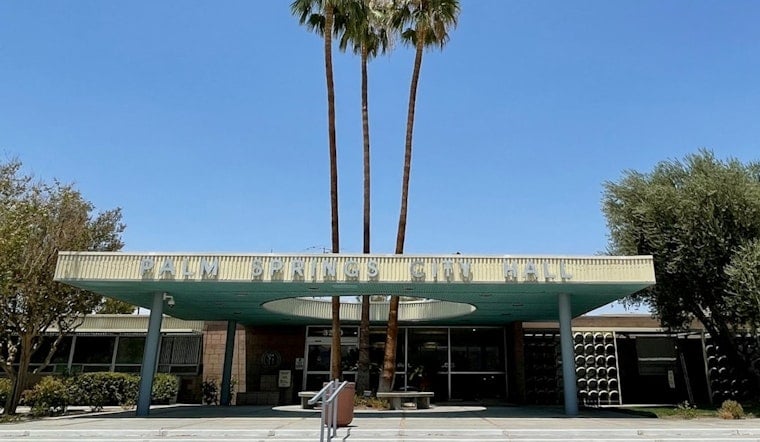
Palm Springs City Council members voted 3–1 on Thursday to keep the District 2 council seat on the November 3 ballot rather than simply handing incumbent Jeffrey Bernstein another term and canceling the race outright. The decision means voters, not the council, will have the final say on who represents the district, even though Bernstein remains the only candidate who filed to run before the August 7 deadline.
Councilmembers Ron deHarte, Grace Garner, and Mayor Pro Tem David Ready voted to hold the election, while Mayor Naomi Soto dissented and Bernstein abstained from the vote, according to NBC Palm Springs. The outcome resolves a question the council had been weighing since at least Wednesday, when NBC Palm Springs first reported that the panel would decide whether to appoint Bernstein outright and cancel the November election entirely.
Because the seat remains contested on paper, the city will now open a write-in candidate filing window running from September 7 through October 20. Had the council instead appointed Bernstein directly, state law would have foreclosed that option — no write-in candidates could have entered the race once an appointment was made, per the same NBC Palm Springs report.
The Legal Path the Council Didn't Take
The council's options were spelled out under California Elections Code § 10229, which governs what cities can do when no more candidates than open offices have been nominated by the filing deadline. Under that statute, as detailed by FindLaw, a city council may appoint the nominated candidate, appoint some other eligible voter, or simply let the election proceed as scheduled. The law also requires public notification of uncontested seats and specifies that a direct appointment would have precluded any write-in candidacies.
City staff estimated that appointing Bernstein and canceling the District 2 election would have saved Palm Springs roughly $22,000 in election administration costs, according to city staff figures cited by NBC Palm Springs. The council opted to forgo those savings in favor of keeping the seat open to a vote.
Bernstein's Record on the Council and in Business
Bernstein was first elected to represent District 2 in November 2022 and later served a one-year term as mayor under the city's rotating mayoral system, in which councilmembers cycle into the top post alongside their district duties, according to MyNewsLA.com. Outside city hall, he is a local entrepreneur who founded and manages Destination PSP, a downtown Palm Springs retail business established in 2012 that produces merchandise and apparel themed around desert events and culture, per MyNewsLA.com's reporting.
The District 2 outcome became uncontested only after a potential challenger fell short of the filing requirements. City records show that Tad Iwan pulled nomination papers for the seat on July 13 but never returned completed paperwork before the August 7 cutoff, leaving Bernstein as the sole filed candidate, according to the City of Palm Springs. Candidates must collect verified signatures from at least 80 registered district voters to secure a spot on the ballot.
Two Other Races Already on the November Ballot
District 2 isn't the only council seat Palm Springs voters will weigh in on this fall. Incumbent Grace Garner faces challenger Donald J. Soja in District 1, while incumbent Ron deHarte faces Charles A. Brown in District 3, according to the City of Palm Springs. The city's district-based voting system means residents cast ballots only for the candidate representing their own geographic district, a structure rooted in the council-manager form of government established by Palm Springs' 1994 municipal charter, which divides the city into five single-member council districts, as Hoodline has previously reported.
Palm Springs isn't alone in wrestling with this question this year. Other California cities, including Tehachapi, Cotati, and Martinez, issued public notices in August under the same Elections Code § 10229 provision to evaluate whether to appoint uncontested candidates or cancel their own municipal elections, according to the Contra Costa Herald. The pattern reflects a recurring tension in California municipal politics between the administrative cost of running an uncontested race and the value of preserving voters' formal say at the ballot box.





