

























































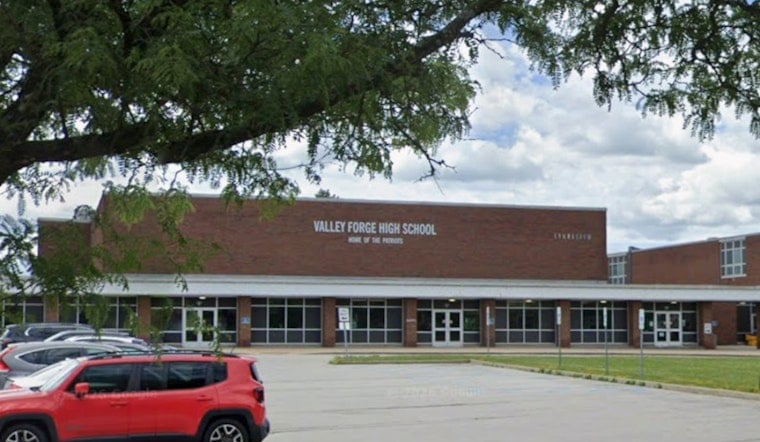
A task force formed after an 18-year-old Valley Forge High School student died by suicide in the school cafeteria has presented its safety recommendations to the Parma Board of Education, and metal detectors are not among them. Instead, the 28-volunteer group is pushing for more visible staff presence, deeper mental health supports, and an entryway screening system already installed across all 12 district buildings.
Superintendent Scott Hunt said the task force was formed after the tragedy at the high school, according to Cleveland.com. He engaged Dr. Ken Trump, a national school safety and security expert who previously worked in the Cleveland Metropolitan School District and in Parma schools during the 1990s or early 2000s, to help guide the process. The task force includes parents, students, community partners, staff, law enforcement, emergency services, school support groups, and mental health organizations, and it split into six subcommittees covering physical security and facility safety, mental health supports and threat assessment, student behavior supports and school climate, emergency operations and crisis response, law enforcement and first responder partnerships, and communication systems and family engagement.
Parma Heights police confirmed in April that the student used a firearm belonging to a family member and had no intention of harming others, a finding that shaped how the district approached its response. In the tragedy's immediate aftermath, grieving parents and community members pressed for physical hardware such as metal detectors, a demand documented in Hoodline's earlier coverage of a tense board meeting where police escorted several vocal speakers out, and the district later faced backlash for posting an edited video of the public comment period.
Why Metal Detectors Didn't Make the Cut
Dr. Trump emphasized that prevention is not achieved through metal detectors, wands, or what he calls security theater, per the subcommittee findings presented to the board. That framing echoes his broader public comments, in which he has explained that walk-through metal detectors often amount to security theater because they demand heavy daily staffing while leaving secondary building entrances vulnerable. Ohio law, under House Bill 99, also gives school boards the option to let designated staff carry firearms after training, but Parma's task force did not recommend that path either, focusing instead on the entryway system and staff visibility already in place.
The district has added Navigate360 units in building entryways, a system covering all 12 district buildings that allows staff to monitor who enters and leaves. Parma is paying $22,000 for Navigate360, funded through grants, and the platform is billed as an integrated health and safety management tool for K-12 schools that issues visitor badges. The Richfield, Ohio-based company's technology scans guest IDs against national sex offender registries and custom flag lists to generate timestamped badges, according to a PR Newswire announcement describing the company's visitor management software.
Staff Presence and Behavioral Prevention as the Priority
Hunt said school safety oversight starts with all staff, and that the district will improve visibility and presence in its buildings. Under the plan, staff will be present in hallways between classes, work to build relationships with students, learn their names, get to know families, and intervene during crises. The district also uses monitors to check bathrooms as part of its broader physical security approach.
National data lend some support to that behavioral emphasis. FBI K-12 incident data covering 2020 through 2024, examined in a KJZZ report, found that physical fights and assaults are the most frequent violent incidents in schools, with hands, feet, and personal items used far more often than firearms. That statistic underscores why safety planning nationally, and now in Parma, is leaning on behavioral management and relationship-building alongside active threat preparation rather than hardware alone.
What Comes Next for the District
Hunt said he now plans to review the recommendations and determine which can move toward implementation. Parma City Schools, one of the largest suburban districts in Cuyahoga County, serves students across Parma, Parma Heights, and Seven Hills, meaning any changes will ripple across all three communities. It remains an open question how the district will measure whether staff presence and mental health strategies are working, and whether community trust has been repaired since the edited board video controversy.
The task force's work follows months of community healing efforts, including the student-and-parent-led “Forge Strong” cafeteria rebuild, which repainted the Valley Forge cafeteria and courtyard and installed “You Matter” yard signs carrying crisis hotline numbers around campus. The national 988 Suicide & Crisis Lifeline, which offers free, 24/7 confidential support by phone or text, remains part of the district's promoted mental health resources. Anyone possessing or conveying a firearm within a school safety zone in Ohio faces a fifth-degree felony under state law, punishable by up to 12 months in prison and fines up to $2,500, though the Valley Forge case was not treated as a threat to others.





