

























































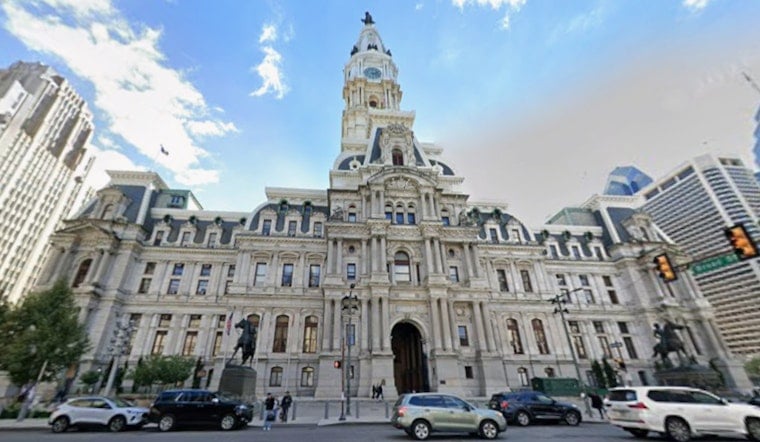
Philadelphia City Councilmembers have requested a full performance audit of the School District of Philadelphia, demanding a top-to-bottom review of how the roughly $4.6 billion agency manages its money before lawmakers commit any more local funding. The district serves more than 198,000 students and is bracing for a $3 billion, decade-long overhaul of its aging buildings, and Council President Kenyatta Johnson's colleagues say they need answers before signing off on the next round of taxpayer support.
According to NBC10 Philadelphia, City Controller Christy Brady's office has agreed to conduct the performance audit, which will evaluate the efficiency, effectiveness, and management of the district's financial and operational practices. Johnson, who represents the 2nd District, joined council colleagues in saying a comprehensive performance and management review is warranted, with lawmakers wanting revenues, expenditures, obligations, and funding strategies scrutinized before major decisions affecting students, families, educators, neighborhoods, and public assets move forward.
What Investigators Will Dig Into
The audit's scope is sweeping. It will examine the district's structural budget deficit and the assumptions behind future deficit projections, along with enrollment trends, demographic shifts, staffing levels, and long-term fiscal sustainability, per the outlet's report. Investigators also plan to review cumulative local funding increases Philadelphia has provided over the past decade, recurring and non-recurring education revenue sources, and even Philadelphia Parking Authority revenue commitments and any unreconciled amounts tied to the district.
Auditors will additionally scrutinize internal controls, procurement practices, contract management, and consultant utilization, assessing whether the district's financial management and long-term planning align with industry best practices for large urban school systems. The review will specifically weigh the financial implications of the district's proposed school closures, including anticipated savings, transition costs, transportation impacts, and facility maintenance obligations. Central office functions and other administrative and non-instructional spending are also on the list.
A Facilities Plan Already Under Fire
The audit request comes as the district prepares to execute its 10-year, $3 billion Facilities Master Plan, which the Philadelphia Board of Education approved 6-3 in a virtual session in May 2026 after public protests, according to K-12 Dive. The plan calls for closing 17 school buildings, modernizing 169 campuses, and co-locating six school programs; the district had originally proposed shuttering 20 schools before scaling that number back. Hoodline previously reported on Kensington families fighting a school shakeup and on similar pushback from Roxborough parents over the proposed closure of AMY Northwest.
The financial backdrop is stark. The district projected a $300 million structural deficit for the 2026-27 school year, driven largely by the expiration of federal COVID-19 relief funds alongside rising healthcare, salary, and charter school costs, as Chalkbeat reported. To avoid classroom cuts in fiscal year 2025, the district had already drawn down $306 million from its reserve balance.
Overdue Paychecks And A Missing Piano
Some of the urgency behind the audit request traces back to findings the controller's office released in July. That report found the district owes $2.8 million in delayed termination payments to 729 former employees, with some payments overdue by more than five years, even though existing labor agreements require termination pay for unused accrued time off within 30 to 75 days of separation. The same report found the district could not locate nearly $300,000 worth of equipment and supplies, including Smart Boards, printers, and a piano, according to Chalkbeat, which first detailed both findings in its coverage of Brady's report on fiscal year 2025 operations.
Brady said the new performance audit will ensure resources are managed effectively, operations function efficiently, and students receive the support they need. The findings will directly shape how much Philadelphia commits to the district in its fiscal year 2028 operating budget, which takes effect July 1, 2027. The district is set to receive about $2 billion from Philadelphia taxpayers in fiscal year 2027 alone, per NBC10 Philadelphia's report, and officials have not said when the audit will begin, how long it will take, or when results might become public.
District Points To Clean Audits, Academic Gains
Superintendent Tony B. Watlington said he looks forward to working with the controller's office to strengthen the district's financial processes. He has pointed to the district's highest investment-grade rating in its history and a string of year-over-year unmodified clean audit opinions with no material weaknesses or significant deficiencies as evidence of sound management. Watlington has also cited the district's performance in the 2026 Harvard-Stanford Education Scorecard, which evaluated 8,147 school districts nationwide and found Philadelphia posted the fastest third-through-eighth-grade learning-rate improvement between 2022 and 2025 among the nation's 25 largest urban districts.
The scrutiny also reflects a structural reality unique to Philadelphia: it is the only school district in Pennsylvania without independent authority to levy taxes, leaving it dependent on city and state allocations for 99% of its operating budget, according to the City Controller's office. That dependency has only deepened since a February 2023 ruling by Pennsylvania's Commonwealth Court, reported by WHYY, found the state's school funding system unconstitutional because its reliance on local property taxes shortchanges lower-wealth districts. Data presented to City Council in 2025 estimated Philadelphia faces a $1.2 billion annual adequacy gap under that funding formula.
Council Already Stepped In Once This Year
The audit follows a tense round of budget negotiations earlier this year. In June, Mayor Cherelle Parker and Council President Johnson announced a deal to provide $48 million in municipal funding to preserve 340 school-based positions, including teachers, counselors, and climate staff, that had been slated for elimination under the district's deficit-reduction plan. Hoodline previously covered Parker's funding response to the deficit back in March, before that deal came together. City Hall leaders pledged at the time to identify a permanent, recurring local revenue source to fund those positions through fiscal year 2031.
Governance of the district has rested with a mayorally appointed, nine-member Board of Education since July 2018, when 17 years of state oversight under the School Reform Commission ended. Under the city's Home Rule Charter, the mayor appoints all nine board members subject to City Council confirmation, which is part of why council members are pressing for financial answers through budget leverage rather than direct administrative control. With the fiscal year 2028 budget looming, the audit's findings are expected to weigh heavily on how much latitude lawmakers give the district's leadership going forward.



