

























































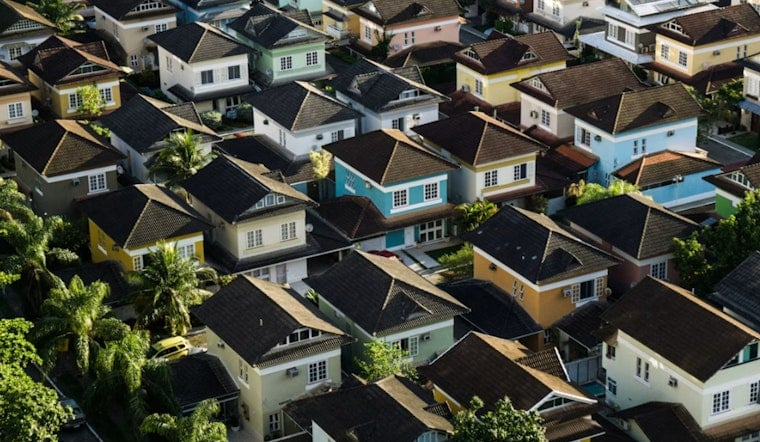
Porterville has been named California's most affordable city to live in, according to a new report from real estate platform Houzeo, with a median home value of $325,000 and an affordability score of 8.7 out of 10. The ranking, which also crowns Fresno, Bakersfield and a surprising coastal outlier in Eureka, lands at a moment when homeownership across California has become financially out of reach for the vast majority of residents.
Houzeo scored each city based on median home value, median house rent, and cost of living compared with the state average, as reported by the New York Post. Porterville, sitting in Tulare County at the base of the Southern Sierra Nevada foothills, offers what Houzeo describes as a quiet, family-friendly lifestyle near orchards and mountain foothills, with a median rent of $1,358 and a cost of living roughly 12% below the state average. But the city's affordability comes with real trade-offs: U.S. Census Bureau estimates put Porterville's 2025 population at 63,088, with a median household income of $60,461 and a poverty rate of 17.3%.
Fresno ranked second on the list with a median home value of $388,567, a median rent of $1,975, and a cost of living about 22% below the state average, earning an affordability score of 8.5. Bakersfield came in third, roughly two hours from Los Angeles by car, with a median home price of $441,009, median rent of $1,995, and a cost of living 18% lower than the state average, good for a score of 8.4.
Central Valley Towns Dominate, But Not Without Downsides
Tulare landed fourth on Houzeo's list, described as having a small-town vibe, friendly people and a strong farming community, with a median home price of $458,693 and median rent of $1,650. Its cost of living runs 27% below the state average, though the city also contends with high temperatures and poor air quality near Highway 99. Eureka took fifth place and stands out as the list's sole coastal city, known for Old Town Eureka's Victorian-era homes, a median home value of $418,081, and a cost of living 21% below the state average.
Visalia ranked sixth, offering affordable housing with access to national parks and amenities, according to Houzeo, sitting less than an hour from Sequoia and Kings Canyon national parks. Its median home value came in at $511,736 with rent averaging $2,400, alongside a cost of living 24% below the state average. Stockton placed seventh with a median home price of $317,272 and rent of $1,595, though Houzeo also flagged a crime rate 82% higher than the national average alongside a cost of living 25% lower than the state's.
Chico rounded out the middle of the pack in eighth, prized for a friendly vibe and college-town energy that Houzeo says suits students and families alike, with a median home price of $340,290 and rent around $1,850. Sacramento came in ninth with a government-focused job market, more than 230 parks, and a median home price of $385,163, despite heavy traffic congestion and pockets of property and vehicle theft in parts of south and north Sacramento. Clovis, known as the gateway to the Sierras and located near Yosemite National Park, Kings Canyon and Sierra National Forest, closed out the list in tenth place with a median home price of $479,880 and a cost of living 11% below the state average.
Why Inland Cities Keep Winning These Rankings
The pattern is not new. Hoodline's own coverage of a July report found that Central Valley communities dominate affordable housing lists because Santa Monica buyers need 15 years of pay while inland cities benefit from greater land availability and looser development rules that let single-family home supply expand faster than along the coast. USC Lusk Center for Real Estate director Richard Green has noted that Central Valley market conditions simply allow homes to get built more quickly than in tightly zoned coastal markets.
That structural advantage matters more than ever given the state of California's overall housing market. The California Association of Realtors reported that the statewide median price for an existing single-family home stood at $904,640 in June, down slightly from a record $930,260 in May but still up 0.4% year-over-year. By August, the same organization found that only 19% of California households could afford to purchase a median-priced single-family home in the second quarter of the year, a figure that requires a minimum annual income of $228,400 to cover monthly payments of $5,710 — down from an affordability rate of 22% earlier in the year as prices rebounded and mortgage rates hovered near 6.5%.
A Coastal Exception Comes With Its Own Catch
Eureka's spot on the list echoes a pattern Hoodline explored in May, when it examined Crescent City's cheap beach homes in nearby Del Norte County. That report found beach-adjacent homes there for under $400,000, but noted that 40% of the local workforce depends on public sector employment, including Pelican Bay State Prison — a reminder that low-cost coastal living in California often comes bundled with narrower local job markets.
Part of the reason coastal inventory stays so tight and expensive traces back to mortgage rates. The California Legislative Analyst's Office found in a July report that roughly 76% of California homeowners hold mortgage interest rates under 5%, creating a lock-in effect that keeps existing homeowners from selling into a market where current rates run around 6.5%. That dynamic restricts resale inventory statewide and pushes budget-conscious buyers further inland toward cities like the ones topping Houzeo's list.
Cost-of-living data compiled by the Council for Community and Economic Research and reported by RentCafe underscores just how wide the coastal-inland gap has grown. Major coastal hubs like San Francisco and San Jose carry overall living costs 64% and 84% above the national average, respectively, compared with an inland hub like Sacramento, which sits just 24% above the national average.
The Bigger Picture: Californians Are Leaving
The affordability squeeze is reshaping who lives in California at all. A UC Berkeley study published in March found that former Californians who moved to other states between 2016 and 2025 saved an average of $671 a month on housing costs — $1,705 versus $2,376 — and were 48% more likely to own a home within seven years of leaving. The same researchers reported that California lost roughly 150,000 residents on net in 2025, driven largely by out-migration among middle- and higher-income households chasing affordability elsewhere, even as the state continued adding jobs.
The strain isn't limited to homeownership, either. A 2025 study from United Ways of California found that 35% of the state's households — representing 3.8 million families — don't earn enough to cover basic needs like housing, food and healthcare under the organization's Real Cost Measure, and 97% of those households include at least one working adult. Against that backdrop, a $325,000 median home price in Porterville or a $340,290 one in Chico looks less like a bargain and more like one of the few remaining paths to ownership left in the state.





