

























































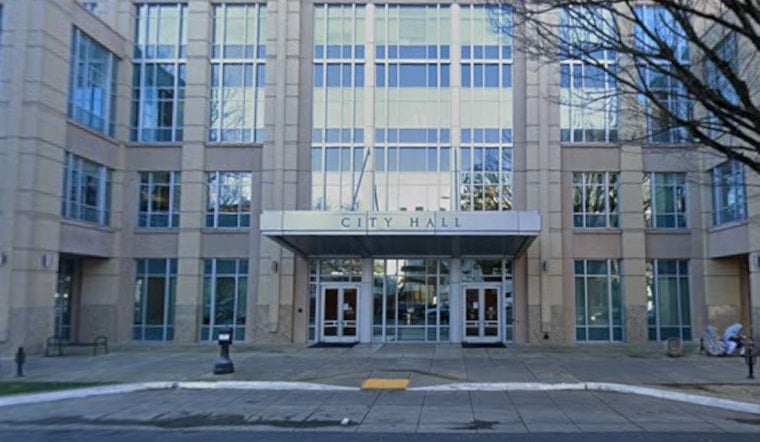
Sacramento police officers have gone more than a year without a contract, and the union representing them just put the city on notice: settle now, or head to arbitration. The Sacramento Police Officers Association delivered what it calls a last, best and final offer to the city, saying officer salaries have fallen below those of neighboring agencies while sworn staffing has collapsed from roughly 800 officers to 613.
The standoff, reported by The Sacramento Bee, comes after Sacramento City Manager Maraskeshia Smith and Sacramento City Council members met with SPOA labor negotiators in closed session on Wednesday. SPOA represents rank-and-file officers, sergeants, dispatchers, community service officers and city park rangers, and the union says it is still willing to reach a voluntary agreement. But union leaders also accused city negotiators of stalling talks and using delay tactics, according to the same report.
Smith pushed back on that characterization, saying the city has negotiated in good faith with its officers and remains engaged in good-faith negotiations with SPOA. She said the city is working to balance employee needs with responsible stewardship of public resources and essential community services, per the Bee's reporting.
A Familiar Legal Path Toward Arbitration
If the two sides cannot reach a deal, the dispute will not simply fester. Under Article XVIII, Section 503 of the Sacramento City Charter, labor impasses between the city and SPOA over wages, hours and benefits must go to binding interest arbitration, according to the California Public Safety Labor Blog. That is a stricter mechanism than the fact-finding process used in most California public-sector labor disputes, and it means a neutral arbitrator — not city officials or voters — would ultimately pick between the city's final offer and the union's.
SPOA has already said it would take its case to a neutral arbitrator if the city rejects its final offer, and the Bee reports the union is prepared to do exactly that. This is not uncharted territory. Just one year ago, arbitrator John LaRocco selected SPOA's last best offer in a similar deadlock, granting a 5% pay increase retroactive to January 25, 2025, enhanced longevity pay at the 10- and 17-year marks, and a 4% raise for Dispatcher IIIs running through April 2026, according to the same labor blog. That prior agreement had taken effect in March 2023 and expired in January 2025, per Ballotpedia's account of the contract.
Budget Pressure Looms Over Any New Deal
The 2025 arbitration award was not free. Fiscal estimates published by Inside Sacramento in October 2025 put the added annual cost to the city's General Fund at roughly $8.3 million — a figure that matters now because Sacramento is already deep in the red. The Sacramento City Council voted 7-2 in June to approve a $1.7 billion budget for fiscal year 2026-27 meant to close a $66.2 million structural deficit, a plan that cut 46 filled municipal positions and raised more than 600 local fees, as reported by CapRadio.
Against that backdrop, the Sacramento Police Department's own budget picture is mixed. The department's 2026-27 budget tops $253 million — almost double what it was a decade ago — yet it received $3 million less than in the previous budget cycle, and the city faces the prospect of still more staffing cuts ahead, according to the Bee. SPOA argues that history helps explain the current friction: the union says its members have spent a combined total of more than 1,000 days working without an active successor contract since 2013, a pattern detailed by Back The Badge California.
Staffing Numbers Drive the Union's Case
The staffing decline sits at the center of SPOA's argument. The union says maintaining the department's historical ratio of officers to residents would now require more than 800 sworn officers, not the 613 currently on the roster, per Back The Badge California's reporting. Officers say they want salaries competitive with those paid by other regional agencies, along with longevity incentives to retain experienced personnel, workers' compensation benefits that help injured officers heal and return to work, and medical contributions to offset rising healthcare costs, according to the Bee.
The city, meanwhile, has taken a different approach to filling vacancies: eliminating college education requirements for police officer applicants to widen the recruitment pool, a move that runs counter to broader state pushes to raise peace officer educational standards. SPOA has criticized that step as a substitute for the competitive pay increases officers say they actually need, the same source notes.
Union Files Labor Charge as Patience Wears Thin
Alongside its final offer, SPOA filed an unfair labor practice charge against the city with the California Public Employment Relations Board, alleging that municipal negotiators intentionally delayed progress in bargaining — the same allegation reflected in the Bee's report that SPOA accused the city of stalling. Union leaders say members will not wait indefinitely while the city delays and refuses to address what they describe as a recruitment, retention and compensation crisis within the department.
The staffing shortfall has already reshaped how downtown Sacramento handles routine calls. In July, the Downtown Sacramento Partnership put $1 million into a contract with private security firm HQ Security to expand patrols across 102 downtown blocks, aiming to handle lower-priority calls while sworn officer resources remain stretched thin, as Hoodline reported on the K Street patrol expansion. SPOA says its members and the broader Sacramento community deserve a resolution, and for now, the union insists it wants a negotiated deal rather than another trip through arbitration — even as it prepares for that possibility.




