

























































A Sacramento otolaryngologist has performed the region's first cochlear implant surgery with the patient fully awake, letting Patty Peasley listen to Chopin on piano while surgeons drilled into the bone behind her ear. Peasley, who lives with type 1 diabetes, said avoiding general anesthesia meant she could keep using her insulin pump throughout the operation without the fogginess that often follows a full sedation.
Dr. Varun Varadarajan performed the procedure using local anesthesia around Peasley's ear instead of general anesthesia, according to CBS News. Peasley, who had moderate to severe hearing loss, remained conscious throughout the surgery, which involved an incision behind the ear and drilling into the mastoid bone to reach the inner ear before surgeons threaded an electrode array into the cochlea. She told the station she chose to listen to classical piano music during the operation, and Varadarajan picked Chopin for the occasion.
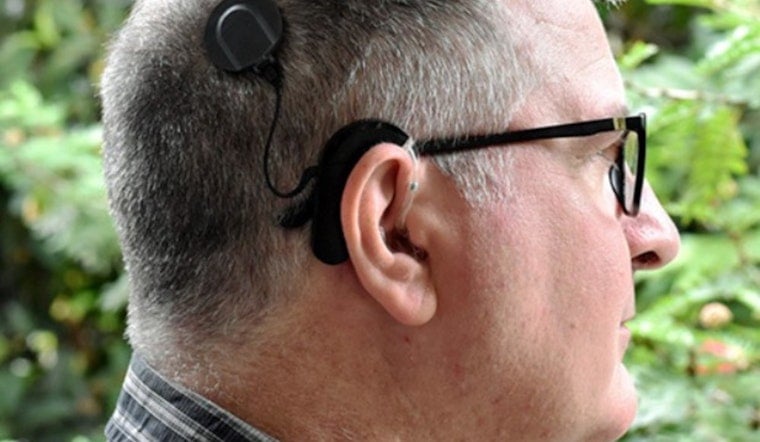
A cochlear implant is a medical device that bypasses damaged portions of the inner ear and directly stimulates the auditory nerve, allowing the brain to interpret sound. Peasley described the procedure as life-changing, saying she was looking forward to hearing better and had been missing an important part of her life. Patients typically begin hearing sound a couple of weeks after the surgery, per the same report.
Why Staying Conscious Made Sense for This Patient
For Peasley, staying awake wasn't just about avoiding grogginess. As a person who uses an insulin pump, she said the choice helped her sidestep the kind of post-anesthesia fog that can complicate blood sugar management. Varadarajan, who holds dual board certification as an otolaryngologist and neurotologist with Sacramento Ear, Nose & Throat Medical Group and surgical privileges at Sutter Medical Center Sacramento and Mercy General Hospital, per Hill Physicians Medical Group, has built a track record with complex hearing cases in the region.
He performed the region's first awake cochlear implant surgery on Peasley, per the same CBS News account. It wasn't his first notable outcome: in November 2025, he performed a cochlear implant procedure that restored hearing for a local Vietnam War veteran who had lived with severe hearing loss for decades, a patient who reported hearing sounds like rain on a roof for the first time in years, as reported by CBS News at the time.
From Six-Hour Surgeries to Same-Day Procedures
Cochlear implant surgery once required four to six hours of operating time and days of hospitalization, according to the CBS News report. Modern outpatient techniques generally take one to two hours, and the surgery can often be performed on an outpatient basis, a shift that industry publication ENT & Audiology News attributes to decades of device miniaturization since the FDA first approved multichannel cochlear implants for adult use in 1985. That reduced operative time has helped make local anesthesia and awake surgery practical in the first place.
UC Davis Health made a similar move this summer, announcing in July that its otolaryngology team had performed the health system's first awake cochlear implant procedure using local anesthesia, according to UC Davis Health. The health system said the approach expands surgical options for medically complex patients facing elevated risks under general anesthesia, and its team developed intraoperative communication strategies to guide conscious patients through each phase of the operation. A 100-patient study published in The Laryngoscope similarly found that cochlear implantation under local anesthesia with conscious sedation is a safe, feasible, and cost-effective alternative for elderly and high-risk surgical candidates, since avoiding general anesthesia helps sidestep cardiovascular and respiratory complications.
Most Eligible Adults Still Don't Get Implants
The National Institutes of Health estimates that more than 1 million people in the United States could benefit from a cochlear implant, but only about 10% of them actually have one, according to CBS News. That tracks with figures from the American Cochlear Implant Alliance, which estimates that just 5% to 10% of U.S. adults who meet clinical candidacy criteria have received an implant, compared to roughly 50% to 60% of eligible children — a gap the alliance attributes partly to the absence of universal hearing screening programs for older adults. Separately, the National Institute on Deafness and Other Communication Disorders has recorded about 118,100 cochlear implants placed in American adults as of December 2019.
Expanded FDA eligibility rules now permit implantation for patients who retain some residual acoustic hearing, allowing surgeons to pair traditional hearing aids with electric implants in the same ear, according to Sacramento Ear, Nose & Throat. Older protocols had restricted candidacy to people with total hearing loss. Medicare coverage rules also allow adults 65 and older to qualify if sound-booth speech recognition testing shows a score of 40% or less in their best-aided condition, per the alliance.
Despite those widened pathways, awake cochlear implant surgery is not expected to replace traditional anesthesia for most patients, per CBS News. It instead offers another option for people who may benefit from avoiding general anesthesia altogether, as Peasley did in Sacramento. Whether the awake approach meaningfully reduces hesitancy among the many eligible adults who have not pursued implants remains an open question.





