

























































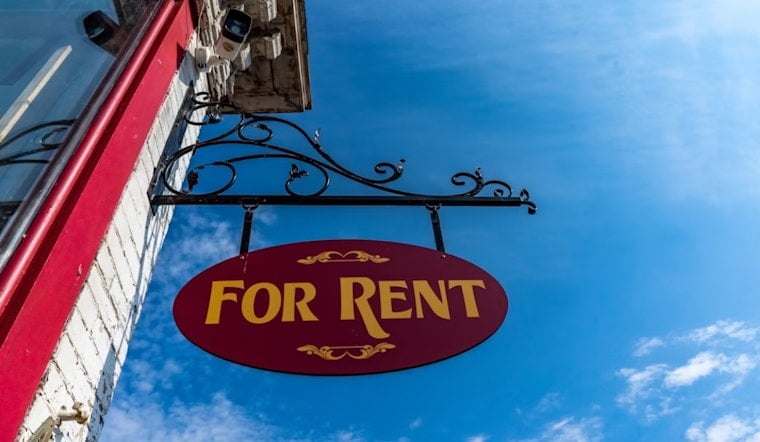
The average new apartment in San Diego has shrunk to just 827 square feet, down from 911 square feet a decade ago, even as the typical monthly rent has climbed to $3,038. That combination of smaller floor plans and steeper price tags puts San Diego at odds with a national market where apartments have actually grown slightly larger since 2016.
According to a Axios analysis of a RentCafe survey of 100 U.S. cities, San Diego's new apartment size dropped 9% over the last decade, while nationwide the average new unit actually grew by 13 square feet, to 910 square feet, over the same period. The RentCafe data, sourced from Yardi Matrix, found average new-apartment size across the 100 cities examined grew a little over 1% between 2016 and 2025, meaning San Diego's shrinkage bucks the broader national trend. For comparison, Seattle's average new apartment measures just 645 square feet, while Tallahassee, Florida sits at the opposite extreme with units averaging 1,156 square feet.
Meanwhile, the average San Diego apartment rent rose from $1,781 in 2016 to $3,038 this year, an increase of roughly 70% according to Zillow figures cited in the same Axios report. That means renters are paying dramatically more for measurably less space than they were a decade ago.
Smaller Floor Plans, Higher Per-Square-Foot Returns
The financial logic behind San Diego's shrinking floor plans traces back to the high cost of building in the region. Local real estate analysts at London Moeder Advisors, cited in a report from Watkins Realty Group, found that steep labor, land, and material expenses in California push apartment developers toward compact studio and one-bedroom units, since smaller floor plans generate a higher rent-per-square-foot return than larger ones. State Housing Element mandates that prioritize total unit counts over unit square footage only reinforce that incentive, encouraging developers to squeeze floor plans to protect project margins, the Watkins Realty Group report noted.
That same report found San Diego's 16% drop in average new apartment size over the past decade placed the city eighth among 100 major U.S. cities for the steepest reduction in floor plan dimensions, even as the national average new apartment size expanded slightly to 908 square feet. A concrete example of the trend can be found at The Sasan Lofts, a San Diego development featuring newly built apartments averaging just 300 square feet that rent for roughly $2,105 a month, a project that has also earned recognition from the local Orchids and Onions design awards, per Watkins Realty Group.
Local Policy Encouraged Denser, Smaller Units
City policy has actively steered development in this direction. The City of San Diego's Complete Communities Housing Solutions initiative replaced traditional per-acre unit caps with Floor Area Ratio density metrics near transit corridors, letting developers maximize buildable area without fixed limits on the number of units, though projects must still reserve 40% of pre-density-bonus units as deed-restricted affordable housing or contribute to local infrastructure. San Diego Mayor Todd Gloria also signed Housing Action Package 2.0 into law in January 2024, a set of land development code reforms designed to expedite single-room occupancy units, off-campus student housing, and micro-unit developments, according to CBS News 8. The San Diego City Council approved that package in a 7-1 vote in December 2023.
Renters navigating this market do have some legal protections. San Diego's Residential Tenant Protections Ordinance, implemented in June 2023, mandates just-cause eviction protections from the first day of tenancy and requires landlords to pay two to three months' rent in relocation assistance for no-fault lease terminations, granting stronger safeguards than California's statewide AB 1482 law.
Record Vacancy Hasn't Eased the Squeeze
Despite a wave of new construction, the affordability math hasn't improved for most tenants. San Diego's multi-family apartment vacancy rate reached a century record high of 6.1% in mid-2026 following the completion of 5,000 units in 2024 and 5,600 more in 2025, according to real estate industry tracking data shared on Facebook by Mayor Gloria's office and sourced to CoStar. Yet San Diego remains among the ten most expensive rental markets in the country, illustrating a paradox where added supply has driven up vacancies without meaningfully lowering asking rents.
The strain shows up clearly in household budgets. Roughly 58% of San Diego County renters were cost-burdened as of 2024, spending more than 30% of their gross income on housing, according to an economic update from the San Diego Regional EDC. A renter household needed an annual income of at least $84,816 in 2024 just to avoid being cost-burdened in the county, the same update found. An annual housing needs report from the San Diego Housing Federation went further, calculating that county renters in 2026 must earn $50.12 an hour, roughly 2.8 times the local minimum wage, to afford the average monthly asking rent of $2,606, while also documenting a countywide deficit of nearly 130,000 affordable homes for low-income households in 2024.
Public Housing Aid Has Also Buckled
Even the public safety net has struggled to keep pace. The San Diego Housing Commission closed its Section 8 voucher waitlist earlier this year after the list swelled past 76,000 applicants, citing an 80% increase in average monthly subsidy costs since 2020 that created severe budget shortfalls, as Hoodline previously reported. The commission paid out $310 million in rental assistance in 2025, serving roughly 17,000 households.
Taken together, the numbers point to a market where smaller apartments are often marketed as a way to boost supply and ease per-unit costs, but where high regional land and construction expenses mean new compact units frequently command premium per-square-foot rates instead. For many middle- and low-income San Diegans, that dynamic has done little to relieve the pressure of finding an affordable place to live.





