

























































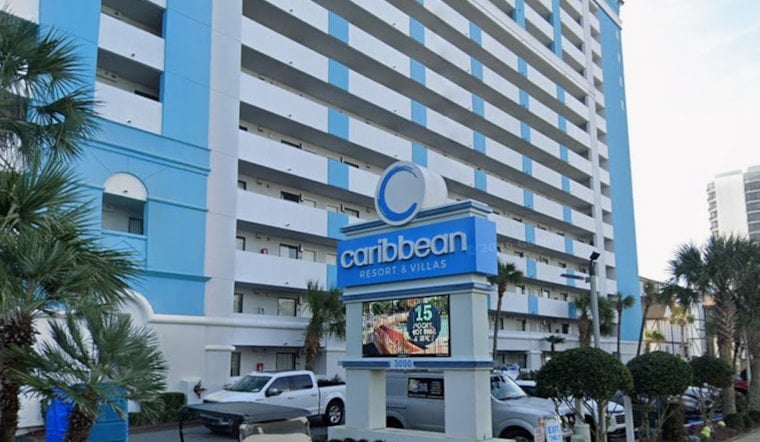
A six-year-old boy from Sanford, North Carolina has died three days after he was found unresponsive in a swimming pool at a Myrtle Beach resort, according to the Myrtle Beach Police Department. Levi Ashe was pulled from the pool at the Caribbean Resort on August 8 and rushed to Grand Strand Regional Medical Center, where he died three days later on August 11.
The Myrtle Beach Police Department confirmed that Ashe died after being pulled from the resort pool, and said the incident remains under investigation, according to The North Carolina Beat. WBTW identified the boy as Levi Ashe, and that station's reporting indicates he suffered a serious neck injury after diving into the shallow end of the pool before he was found unresponsive. Beyond that detail, no additional information about the circumstances surrounding the incident has been released.
As of August 14, neither the Myrtle Beach Police Department nor the Horry County Coroner's Office had released official findings on Ashe's cause of death, and no criminal charges have been filed or are under consideration, per MyrtleBeachSC News. That leaves open several questions for investigators to resolve, including whether a formal cause and manner of death will be issued, and whether police find any code or signage violations at the pool.
A Resort With 14 Water Features and No Lifeguard Requirement
The Caribbean Resort & Villas sits at 3000 North Ocean Boulevard in Myrtle Beach and is managed by Brittain Resorts & Hotels, which operates multiple oceanfront properties along the Grand Strand. The resort advertises 14 water amenities, including indoor and outdoor pools, water slides, and lazy rivers, according to the company's own materials.
Under South Carolina Code of Regulations § 61-51, hotel and resort pools like the one at the Caribbean Resort are classified as Type B public pools, a designation that does not require lifeguards on duty. Instead, state rules require properties to post prominent “No Lifeguard On Duty — Swim At Your Own Risk” signage, placing much of the responsibility for supervision on parents and guardians. The same regulations require operators to maintain visible depth markers at the pool's edge and post “No Diving” warning tiles in shallow areas, precautions designed specifically to prevent the kind of head and spinal injuries that can occur from diving into shallow water.
Resort's History Includes a $26 Million Settlement
This is not the first time the Caribbean Resort has faced scrutiny over pool safety. In January 2024, the resort's operating company agreed to a $26 million federal lawsuit settlement after a three-year-old North Carolina boy suffered severe chemical burns in 2020 from excessively high chlorine levels in the resort's pool, according to PoolMagazine.com. That earlier case also involved allegations that employees had falsified pool chemical logs.
Ashe's death also follows a separate, fatal pool incident at another Myrtle Beach hotel just months earlier. In April, 14-year-old Nevaeh Neely of Salisbury, North Carolina died at Grand Strand Regional Medical Center after being submerged for roughly 45 minutes in a pool at the Sandbar Hotel, a tragedy Hoodline covered that led to four felony child neglect charges against a caregiver. Grand Strand Regional Medical Center, where both children were treated, serves as the region's designated Level I Adult Trauma Center and Level II Pediatric Trauma Center, making it the primary facility for severe ocean and pool trauma across Horry County.
A Persistent National Problem
Pediatric drownings and pool injuries remain a significant public health concern nationwide. According to Centers for Disease Control and Prevention data, drowning is the leading cause of death for American children ages 1 to 4 and the second leading cause of unintentional injury death for children ages 5 to 14, claiming more than 4,000 lives annually. A CDC Vital Signs study found that U.S. drowning rates have risen in recent years, prompting public health officials to push for designated “water watchers,” physical pool barriers, and formal swim lessons as safeguards against the kind of split-second lapses in supervision that often precede these incidents.
For now, the investigation into what happened to Levi Ashe continues, with no findings yet released by either the police department or the coroner's office. Families visiting Myrtle Beach resorts this summer are left to navigate a regulatory landscape where signage, not staffing, stands as the primary safeguard at pools like the one where Ashe was hurt.





