

























































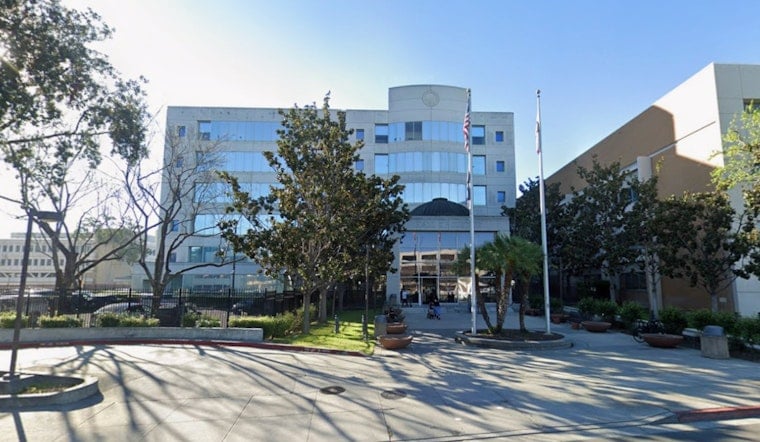
A Santa Clara County judge chose probation and treatment over an extra jail term yesterday, releasing a defendant whose missed court appearance had prompted prosecutors to seek 180 days behind bars. The order rejected more incarceration, but it was hardly a get-out-of-court-free card: the defendant left under strict conditions aimed at substance use, employment and future compliance.
Judge Johnny Cepeda Gogo ordered the defendant released after the person had been held on a warrant for failing to appear, according to Davis Vanguard. Prosecutors had requested 180 days in custody instead of a previously stated 90-day sentence. The court counted 72 actual days served and another 72 days of custody credit, for 144 days total, with any remaining credits applied to fines and fees, including restitution-related obligations. The available account did not identify the defendant or spell out the underlying charge, keeping the focus on the sentencing and supervision plan.
Santa Clara County Already Has A Reentry Network
The local alternative to more jail is not just a courtroom theory. Santa Clara County’s Office of Diversion and Reentry Services says its programs connect justice-involved residents with substance-use treatment, housing, medical care, employment assistance and case management through reentry centers and in-custody services.
The release was conditional, not unconditional. The order included a lifetime prohibition on possessing firearms, a search condition, restrictions on narcotics use, a ban on visiting locations associated with illegal substances, participation in substance-abuse programs and a requirement to seek employment, Davis Vanguard reported. In practical terms, the court swapped additional jail time for a structured probation plan rather than ending supervision.
Research Gives Rehabilitation A Case But No Guarantees
That approach has some research behind it, although the results depend heavily on the program. A National Institute of Justice review found that adult rehabilitation programs overall were associated with statistically significant reductions in recidivism, with stronger results for programs involving cognitive-behavioral therapy, counseling, group work or specialized courts. The findings do not promise that every treatment plan will work, but they help explain why a judge might view treatment and supervision as more useful than simply adding time behind bars.
At the close of the hearing, Gogo told the defendant, “You need discipline, courage and strength,” and urged decisions that would prevent another encounter with the criminal legal system, according to Davis Vanguard’s report. The next test is whether the defendant can turn that courtroom warning into sustained compliance in the community.





