

























































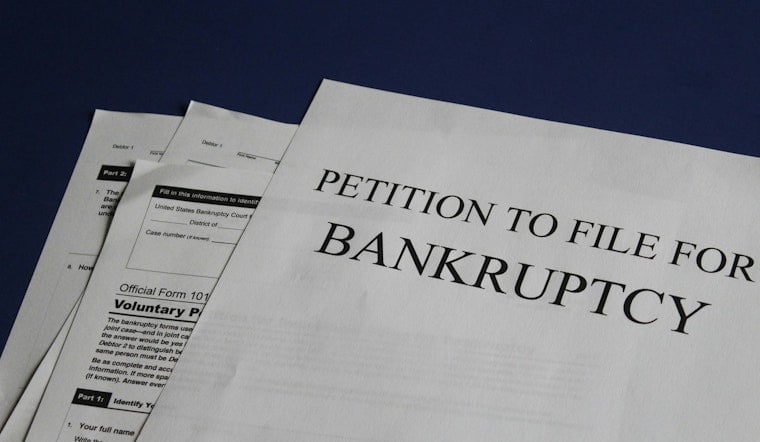
An Overland-based maker of bath, body and personal-care products has filed for Chapter 11 bankruptcy, putting a Missouri manufacturer at the center of a growing legal fight over talc. The company says the move is designed to keep products flowing while it works toward a court-supervised resolution of hundreds of claims alleging health damage from talc.
Vi-Jon LLC filed its bankruptcy petition in Delaware, according to the St. Louis Post-Dispatch. The company traces its roots to 1908, and Vi-Jon’s own history describes it as a private-label producer of dry goods, bath and personal-care products, including Epsom salts and powders.
The proposed plan would address what Vi-Jon calls legacy talc-related claims through a consensual Chapter 11 process. Lawyers representing more than 6,000 claimants reportedly support the plan, while a third-party consultant estimated the company’s potential talc exposure at about $170 million — an estimate, not a final finding of liability.
The filing follows two costly courtroom developments this year: a roughly $10 million Minnesota talc verdict and a $10.5 million talc-related judgment in New York, according to the Post-Dispatch. Hoodline previously covered the Minnesota verdict, which involved allegations that asbestos-contaminated body powders contributed to a man’s mesothelioma.
The broader talc litigation landscape remains unsettled. The Associated Press reported last week that Johnson & Johnson proposed a $5.5 billion settlement covering tens of thousands of ovarian-cancer claims, underscoring how mass talc lawsuits continue to pressure manufacturers and their insurers.
What The Chapter 11 Plan Would Mean
Chapter 11 is generally a reorganization process that can allow a company to keep operating while creditors and the court review a repayment plan, according to U.S. Courts. Vi-Jon’s proposal would direct insurance rights and proceeds from asset sales into a trust for talc claims, along with a $10 million note from the company.
The plan still needs court approval, so the final treatment of claimants has not been decided. Vi-Jon has said the cost of continuing to litigate and settle the claims is no longer sustainable, making the bankruptcy court the latest venue for a dispute that has already produced verdicts, judgments and years of legal maneuvering.
Vi-Jon Says Customers Should See No Immediate Change
The bankruptcy filing lists Vi-Jon as having one full-time employee, even as some of its more profitable product lines were shifted to sister companies under the parent company in 2025. Empire said its other brands and roughly 1,500 employee-owners are not included in the filing.
Vi-Jon plans to continue operating normally and serving customers during the case, with the goal of completing the bankruptcy process within about four months. For Overland, the immediate story is not a factory shutdown but a high-stakes effort to separate a legacy legal burden from the business still making familiar household products.





