

























































Meta Platforms is paying the State of Texas more than $1 billion to settle claims tied to child safety on its platforms, with the money set to fund youth mental health services, crisis resources, school grants, digital literacy programs, and after-school initiatives. As part of the deal, Meta will roll out a nighttime access mode for children, hide likes and reactions on posts by default, disable notifications during school hours, and cap teen use at two hours per day.
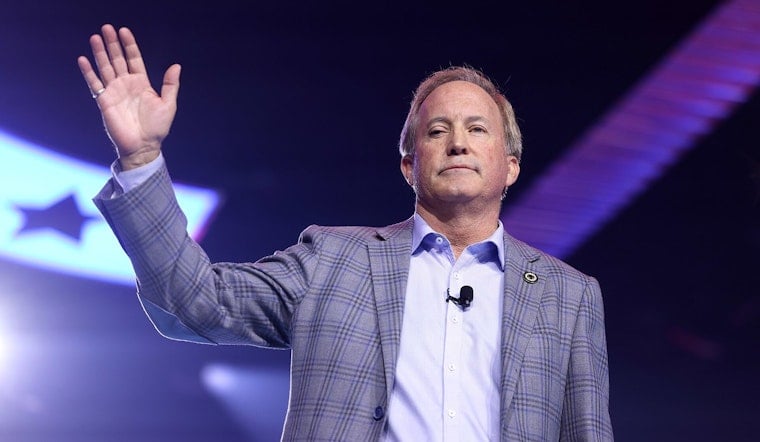
Texas Attorney General Ken Paxton announced the settlement, calling it “a historic settlement and a major win for the safety of Texas children,” according to News Radio 1200 WOAI. Under the agreement, Meta will implement stricter age-assurance measures, continue supporting parental supervision tools, and keep limiting age-inappropriate content for minors. Parents will retain the ability to change the default notification setting during school hours if they choose.
A Nighttime Mode and a Two-Hour Cap
The nighttime access mode restricts notifications and other features for children by default during certain overnight hours, per the settlement terms. Combined with the daily two-hour limit for teen users, the changes represent some of the most concrete behavioral restrictions Texas has extracted from a major platform to date. Paxton said the settlement will strengthen standards for child safety online, and described it as part of his continuing fight to protect children on the internet.
The deal arrived the same day Meta agreed to a separate $17 billion settlement with 47 states in a federal court in California, ending a nationwide trial over teen social media addiction just as CEO Mark Zuckerberg was expected to testify, according to the Houston Chronicle. That multi-state lawsuit, filed in Oakland federal court, alleged Meta designed addictive features for young users and concealed the harms. Texas was notably not part of that coalition, opting instead for its own standalone case.
Texas's Pattern of Going It Alone
That solo approach has become something of a signature for Paxton's office. Texas has now pulled in more than $1 billion each from Meta over biometric privacy in 2024, from Google over tracking practices in 2025, and now from Meta again over child safety — three separate ten-figure settlements against Big Tech in roughly two years, per the state's own tally. Rather than joining national coalitions, Texas has repeatedly leaned on its own statutes to negotiate settlements independently.
The 2024 Meta settlement, worth $1.4 billion, resolved claims that Facebook's photo-tagging feature captured facial geometry biometrics without informed consent, an issue Hoodline covered in Meta's earlier billion-dollar Texas deal. That case leaned on the state's Capture or Use of Biometric Identifier Act, which allows civil penalties of up to $25,000 per violation for capturing biometrics like facial geometry without explicit consent, according to Haynes Boone. The following year, Paxton secured a $1.375 billion settlement with Google over unauthorized location tracking, Incognito mode monitoring, and biometric harvesting, finalized in October 2025.
SCOPE Act Powers an Aggressive Docket
Much of Texas's current child-safety enforcement flows from the Securing Children Online Through Parental Empowerment Act, which took effect in September 2024 and requires digital service providers to limit data collection, obtain parental consent before sharing minors' data, and offer parental control tools. A federal appeals court upheld key provisions of the law in July 2026 after tech trade groups challenged it, according to the Texas Attorney General's office.
Paxton has used that law to sue TikTok twice — first in October 2024 under the SCOPE Act, then again in January 2025 over allegedly deceptive child-safety ratings, with a trial now scheduled for fall 2026. He has accused TikTok of sharing minors' personal data without parental consent and misleading parents about their children's exposure to explicit content. In July 2026, Paxton also obtained an agreed temporary injunction forcing Discord to roll out age-assurance and default safety controls for Texas minors within 90 days, after investigators showed an account set up for a 13-year-old was solicited for explicit sexual acts within 30 seconds of creation.
How It Compares to Federal Action
Texas's state-level pressure campaign runs alongside separate federal scrutiny of the same companies. The U.S. Department of Justice announced a $400 million federal settlement with TikTok and ByteDance this month to resolve claims under the Children's Online Privacy Protection Act, with federal prosecutors alleging TikTok knowingly let children under 13 create regular accounts and collected their data without parental consent, according to WBAP. That figure is well below the sums Texas has secured on its own from Meta and Google.
The scrutiny over Meta's privacy practices also has a longer federal history. The Federal Trade Commission fined Facebook $5 billion in 2019 for deceptive privacy practices, the largest data privacy penalty in U.S. history at the time, and the order required structural corporate changes including an independent privacy oversight committee on Meta's board. Two years later, a federal judge approved a $650 million class action settlement between Facebook and 1.6 million Illinois users over violations of the state's biometric consent law, according to the American Bar Association.
For now, Paxton's office says the new settlement sets a fresh standard for the technology industry on child safety defaults, even as Meta implements the required changes without formally admitting liability. With the TikTok trial looming this fall and the Discord injunction still working through its 90-day rollout, Texas shows no sign of slowing its solo campaign against the country's largest tech platforms.





