

























































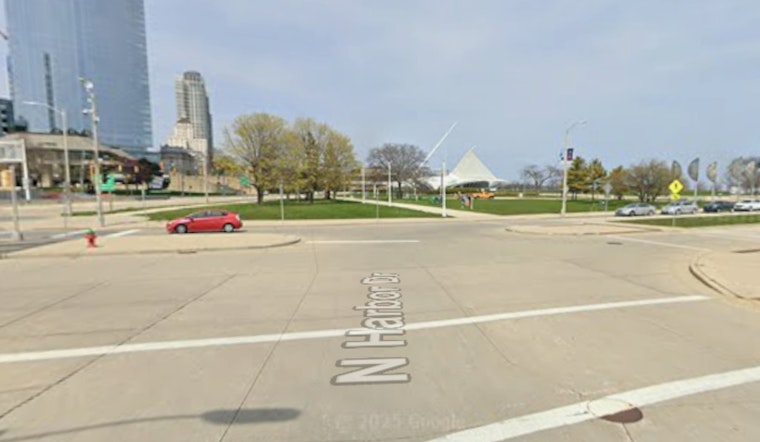
The 4th Annual Wildflowers on the Water Festival returns to Milwaukee's Lakeshore State Park this Sunday, running from 11 a.m. to 4 p.m. at the park's north end near the marina at 500 N. Harbor Drive. The free, all-ages event pairs live music with hands-on nature activities, including a make-and-take wildflower craft and goat yoga sessions that require pre-registration.
According to TMJ4 News, Goat Yoga for a Cause will hold two sessions Sunday, at 11 a.m. and 11:30 a.m., with each spot costing $35. The festival's music lineup features several local artists, and the day also includes a sound bowl healing experience and activities designed for kids. Proceeds from the festival support the Friends of Lakeshore State Park, the nonprofit that stewards the 22-acre man-made island.
A Musician's Fundraiser Grows Into a Festival
The festival traces back to musician Sarah Fierek, who created the event through her initiative Sincerely in Song, a project that pairs musical releases with nonprofit fundraising, according to Radio Milwaukee. Proceeds from her song “Wildflowers” go directly to the Friends of Lakeshore State Park. The station reports that Sincerely in Song operates under what it calls a “Music Partnerships for Humanity” framework, linking creative work to community causes.
Nonprofit Rock the Green serves as the festival's sustainability partner, aiming to make Wildflowers on the Water a zero-waste event, per the same account. Dedicated sorting stations for composting and recycling will be set up on-site, and attendees are encouraged to bring reusable water bottles. Rock the Green also produces Milwaukee-area Earth Day celebrations focused on urban sustainability, the report notes.
Wisconsin's Only Fee-Free Urban State Park
Lakeshore State Park was officially established in 2007 as a 22-acre man-made island built on landfill in Milwaukee Harbor, and it stands as Wisconsin's only urban state park that requires no vehicle admission sticker or entrance fee, according to the Wisconsin Department of Natural Resources. A 1.7-mile paved trail connects downtown Milwaukee to Lake Michigan through the park.
The island also holds more than 8 acres of restored prairie containing over 200 native plant species, including more than 60 flower and grass species that bloom sequentially from April through October, according to A Wealth of Nature. Native species on the island include spiderwort, milkweed, echinacea, and goldenrods. Maintaining that prairie takes more than 4,000 hours of annual work between April and November by DNR staff and volunteers conducting controlled burns, mowing, and invasive species removal, the Natural Resources Foundation of Wisconsin has reported. Prairie habitat once covered over two million acres of Wisconsin before agricultural settlement transformed the landscape.
A Refuge for Migratory Birds and Urban Wildlife
Positioned along the Lake Michigan Flyway, Lakeshore State Park provides critical stopover habitat for more than 70 indigenous and migratory bird species, and it also supports resident urban mammals including grey and red foxes, according to the Friends of Lakeshore State Park. Local naturalists and community birdwatchers regularly track the park's bird populations.
The festival's charitable proceeds feed into a larger infrastructure push. As of January 2026, the Friends of Lakeshore State Park is running a $5 million capital campaign, having raised $1.5 million so far, to build a permanent Visitor and Education Center for year-round environmental programming on the island, per A Wealth of Nature. A permanent center was part of the park's original 2007 concept but was delayed due to funding constraints.
Free, Alcohol-Free, and Built for Learning
Wildflowers on the Water is designed as a free, alcohol-free event for all ages, pairing local musical performances with educational exhibits from agencies such as the Wisconsin Department of Natural Resources and the Milwaukee Metropolitan Sewerage District, Radio Milwaukee reports. The programming has previously featured community drumming circles alongside the sound bowl healing sessions planned for this year's event.
The park's regulatory backdrop has also been in flux. In June 2025, the Wisconsin Department of Natural Resources opened public input under Chapter NR 44 of the Wisconsin Administrative Code to update its Southern Lake Michigan Coastal Regional Master Plan, which governs land use and resource protection across state properties including Lakeshore State Park, as Hoodline previously reported. NR 44 sets standards for resource management across DNR-managed land statewide.


