

























































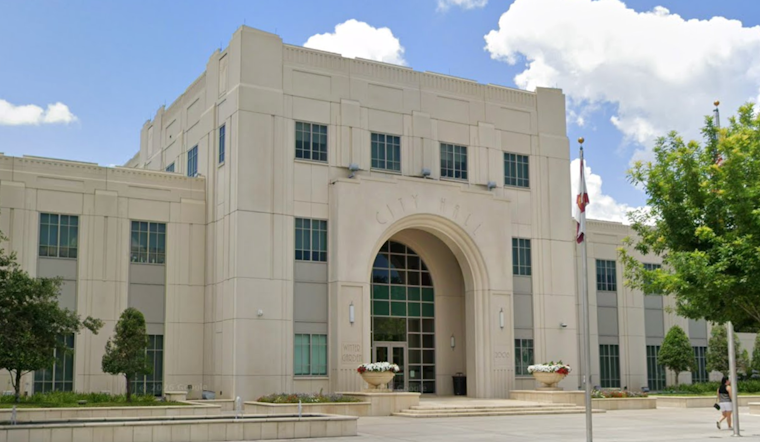
Winter Garden residents could soon see their monthly trash bill climb from $24.87 to $26.61 as city commissioners weigh a 7% residential rate increase for the 2027 fiscal year. The proposal, presented to the City Commission on August 13, aims to close a projected $500,000 deficit in the city's solid waste fund while building a new reserve for storm debris cleanup.
City Manager Jon Williams told commissioners the city had not conducted a formal solid waste rate study in a decade, according to Orange Observer News, making a full review necessary as landfill tipping fees and equipment replacement costs have outpaced the standard state-based indexing the city has relied on for years. That indexing, tied to the Florida Public Service Commission, has historically added about 2.8% a year to rates, but officials say inflation is now outpacing revenue growth from new customer accounts on the capital improvement plan.
The math behind the request is straightforward: Winter Garden expects about $7.4 million in total operating expenses for fiscal year 2027, while current revenue projections fall roughly $500,000 short of covering that cost. Solid waste operating expenses are projected to rise about 3.3% annually over the next five years, while revenues are projected to grow only about 0.25% a year without changes, even as the city assumes roughly 30 new accounts annually.
Enterprise Fund Rules Leave No Room for a General-Fund Bailout
Because Winter Garden's solid waste operation is structured as an enterprise fund, the service must sustain itself entirely through fee revenue rather than draw from general municipal tax dollars, per the Orange Observer News report. That structural requirement is central to why officials are pursuing a full rate study rather than another routine indexed bump — the fund simply cannot run a deficit indefinitely without another funding source.
Consulting firm Rafelis recommended the 7% residential increase alongside a 5.58% increase for commercial and multi-family dumpster service and an 18.9% increase for commercial cart service for fiscal year 2027. Under the proposal, commercial cart service would rise from $31.70 to $37.69 monthly, while commercial dumpster service would move from a current range of $117.57 to $335.83 up to $124.13 to $354.57. Multi-family dumpster customers would see costs shift from $17.01–$20.93 to $17.96–$22.10 monthly.
A Regional Comparison and a Break for Small Households
Trevor McCarthy, a representative of Rafelis, presented commissioners with a regional rate survey covering 17 Central Florida municipalities and counties, according to the Orange Observer News report. That survey found Winter Garden's proposed $26.61 monthly residential rate would land slightly below the regional average of $26.68, keeping the city roughly in line with its neighbors even after the increase.
To soften the blow for single-person households, city officials designed a low-volume option letting residents swap their 95-gallon bin for a 65-gallon cart while keeping the existing $24.87 rate through fiscal year 2028. The offer follows a period of adjustment for many residents: after Winter Garden suspended its curbside recycling program on January 1, 2025, those needing extra trash capacity were given the option of a second 95-gallon bin for an added $24.32 monthly, according to a West Orange Times & Observer report. City officials suspended the recycling program after studies found it cost more than $1 million annually while achieving only a 1% actual recycling rate due to severe commodity contamination, per a City of Winter Garden notice, with most collected material ultimately landfilled anyway. Hoodline previously covered the region's trash hub amid these same financial pressures.
Two Paths Forward: A Bigger Jump Now or a Gentler Climb
Rafelis also presented commissioners with an alternative phased plan calling for 4.5% annual increases from 2027 through 2030, which would set the 2027 monthly rate at $25.98 and push it to $29.89 by 2031. Under the recommended plan Rafelis favors, rates would rise about 3.5% annually from 2027 through 2030, dip to a 2% increase in 2031, and then return to standard annual indexing by fiscal year 2031. Winter Garden projects total operating expenses reaching about $8.4 million by 2031 and a 6.5% total solid waste revenue increase for fiscal year 2027 under the recommended scenario, with revenues reaching about $7.9 million that year.
Rafelis also recommended creating a dedicated reserve for post-storm debris removal, with the city establishing a starting balance of $250,000 in 2027 and transferring $100,000 annually to that reserve afterward. City officials say the reserve would reduce the likelihood of an untimely rate increase while the city awaits FEMA reimbursement following a major storm — a lesson drawn from the unpredictable costs of debris cleanup after hurricanes.
Long-Term Plan Leaves Door Open on Recycling
Even as curbside recycling remains suspended, Winter Garden's 2050 Comprehensive Plan, approved on first reading this month, includes a newly added policy directing the city to evaluate re-establishing a municipal recycling program in future years, according to the West Orange Times & Observer. That policy signals officials have not closed the door on recycling permanently, even as the immediate focus remains on stabilizing the solid waste fund's finances.
Winter Garden last raised solid waste rates significantly in October 2022, when commissioners approved a 15.57% hike that added roughly $3 a month to residential bills, the West Orange Times & Observer reported at the time. The current proposal comes as Orange County Utilities has also proposed a 4% increase in Class I landfill tipping fees for fiscal year 2027 alongside automatic annual indexing to fund regional landfill expansions and transfer station upgrades, a cost that flows directly into municipal hauling budgets like Winter Garden's.
The City Commission has not yet taken a formal vote on which rate path to adopt, and it remains unclear how many residents will opt into the smaller 65-gallon cart program or whether future regional facilities could make curbside recycling viable again. The decision comes as Winter Garden grapples with other fiscal pressures, including a previously reported $5.2 million budget gap and a business tax increase detailed in Hoodline's earlier report on the city's 5% business tax hike.


