

























































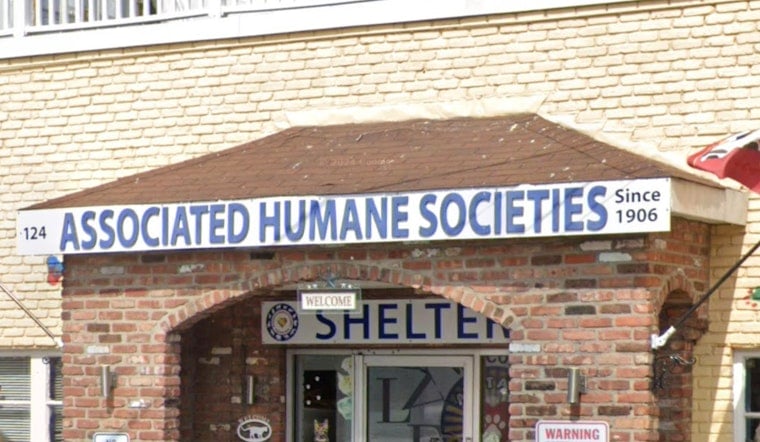
Sixteen small dogs, identified as bichon mixes, were found abandoned inside a Newark apartment with severely matted coats and in need of extensive medical and grooming care, after their owner reportedly moved out roughly a month earlier and left them behind. Some of the dogs required sedation just so staff could safely address the hardened mats in their fur, while the youngest pups in the group, only months old, still need time to adjust to their new surroundings.
Associated Humane Societies reported that the dogs were rescued from the Newark home, according to NBC New York. Neighbors had been providing some care to the dogs before the shelter stepped in, but the animals still arrived in dire shape. Danielle Mania, chief operating officer of Associated Humane Societies, said the condition the dogs arrived in was heartbreaking, but added that they are finally safe and surrounded by people committed to giving them the care and compassion they deserve. The shelter team is now working to help each dog heal and prepare for the next chapter of its life, and the dogs will be made available for adoption once they are medically cleared.
A Shelter Already Buried in Intakes
The Newark rescue did not happen in isolation. According to News 12 Connecticut, Associated Humane Societies received 12 cats at its Newark shelter on September 1, while the 16 abandoned bichon mixes went to its Forked River location during the first week of September 2026. The influx of cats alone reportedly pushed Newark's weekly feline intakes above 138 animals, compounding pressure on a facility already stretched thin by the dog rescue.
That pressure has been building for weeks. Associated Humane Societies Newark reported taking in more than 500 animals in August alone, with roughly three-quarters arriving as strays, many suffering from severe matting, emaciation, or injuries, prompting shelter officials to issue an urgent community appeal for foster homes.
A Shelter Still Recovering From Structural Damage
The facility is also still working through the fallout of a December 2025 roof collapse, when accumulated snow caved in over the shelter's rear kennels and displaced more than 30 dogs, forcing emergency community foster placements, as reported by CBS New York. That damage has left the shelter with ongoing space constraints even as intake numbers climb.
This is not the first time Newark's shelter has confronted extreme grooming neglect. In January, the same organization rescued two severely neglected dogs, named Gucci and Grandpa, who had been surrendered inside a plastic storage tote and were covered in more than three pounds of hardened, matted fur, per the same account from News 12 New Jersey. Staff had to shave off the fur cast before any medical evaluation could even begin.
What New Jersey Law Says About Abandonment
Founded in 1906, Associated Humane Societies is the largest animal sheltering organization in New Jersey, running rescue facilities in Newark, Forked River, Tinton Falls and Vineland, along with the Popcorn Park Animal Refuge in Ocean County. Under New Jersey Revised Statutes Section 4:22-20, abandoning a domesticated animal is a disorderly persons offense carrying a statutory fine of up to $1,000. Separately, Section 4:22-17 addresses failing to provide necessary care to an animal that results in bodily injury, according to the ASK Law Firm.
The shelter's strain is another indication of the pressure facing animal-care organizations.
Part of a Wider Regional Pattern
The Newark case follows other recent examples of animal desertion across the state. In August, police investigated a home in Woodbridge pets starved in crates after the homeowner apparently left town, leaving the animals confined without care. Taken together, the cases point to a troubling pattern of pet desertion, straining a shelter system already operating at capacity.





