

























































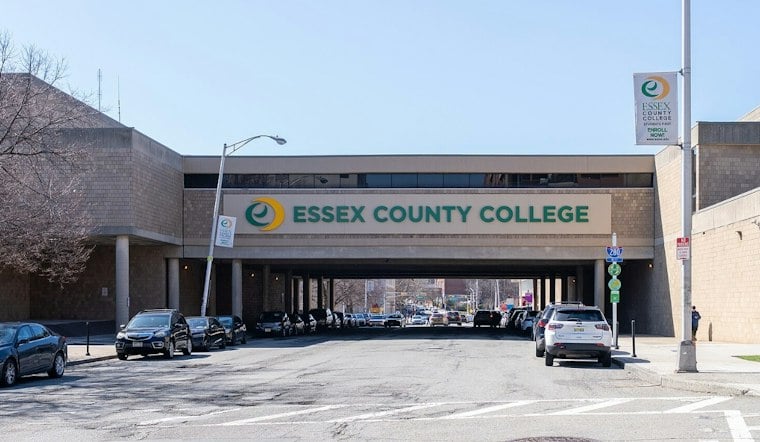
Ariadna Zumba was accepted to Essex County College after spending 53 days in federal immigration detention and missing the chance to graduate with her Orange High School classmates. The 18-year-old was detained by U.S. Immigration and Customs Enforcement on April 9, 2026, and released June 1 after seeking relief through a habeas corpus petition, according to NJ.com. She later attended a mid-August Orange High School ceremony and received her diploma.
Zumba came to the United States from Spain as a child and has Special Immigrant Juvenile Status, a designation for young people who have experienced abuse, abandonment or neglect and may qualify for a path to permanent residence. She has no criminal record, NJ.com reported. After her release, she completed her remaining high school coursework and was accepted to Essex County College. She plans to study social sciences before transferring to Montclair State University and eventually attending law school.
A status that does not end the wait
Zumba’s case illustrates the difference between eligibility for an immigration benefit and immediate access to permanent residence. The Congressional Research Service explains that some approved immigrant categories face visa queues when demand exceeds annual numerical limits; those waits can last years before a visa number becomes available. The report is available from the Congressional Research Service.
That broader backlog is especially significant for Special Immigrant Juvenile Status recipients, whose eligibility is tied to childhood abuse, abandonment or neglect but whose green-card process can still depend on numerically limited immigrant visas. Zumba told NJ.com that she has another ICE appointment scheduled for January.
What she described inside Delaney Hall
During her detention at Delaney Hall in Newark, Zumba described moldy food, overcrowding, inadequate medical care and early-morning room checks. She also said she joined a hunger strike over conditions at the facility before stopping after officers threatened additional charges. The Advocacy and Faith-based Organizations for Social Change reported that detainees began a broader labor and hunger strike on May 22 over poor-quality food and other conditions; the account does not independently establish every allegation made by individual detainees. The organization’s report is at AFSC.
Zumba also helped other detainees with translation and paperwork, according to NJ.com. Those experiences shaped her stated goal of becoming an immigration lawyer, turning her next step in education into a response to the system she encountered.
A large facility in a wider detention network
Delaney Hall reopened for immigration detention in 2025 under a GEO Group contract finalized in February of that year and valued at more than $1 billion, according to NJ Spotlight News. The facility’s population was reported as roughly three times that of the separate Elizabeth Detention Center, which held about 309 people in early February 2026, according to data from TRAC cited by the outlet. The comparison shows the difference in scale between two nearby facilities, but does not establish that their conditions or detainee experiences are the same.
New Jersey’s attorney general opened a civil-rights investigation into GEO Group’s management of Delaney Hall in August, issuing investigative subpoenas under the New Jersey Civil Rights Act, according to the New Jersey Office of the Attorney General. The investigation remains a separate government inquiry; it does not by itself resolve the allegations made by Zumba or other detainees.
For now, Zumba is planning for college while navigating an immigration process that remains unsettled despite her juvenile-status designation. Her path from detention to the classroom is also a reminder that an approved humanitarian classification can coexist with years of waiting, recurring immigration appointments and continued uncertainty about permanent status.





