

























































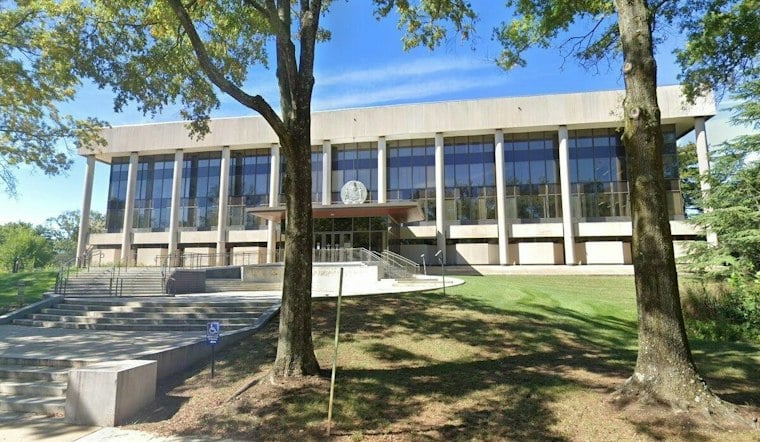
The Supreme Court of Maryland removed Arya Saleh from the practice of law effective immediately in a September 11, 2026, per curiam order. The order directs the clerk to strike Saleh’s name from the state attorney register and requires him to pay the costs assessed in the disciplinary case, according to the Maryland Courts order.
The brief order does not describe the underlying allegations or explain the court’s reasoning. It follows a disciplinary proceeding in which Montgomery County Circuit Judge J. Bradford McCullough made findings about Saleh’s handling of a client payment, his trust account and his statements during the investigation, as reported by the Maryland Daily Record.
The findings included a $1,000 Venmo payment from a client represented by Alpert Schreyer in a drunken-driving case. Saleh directed the payment while discussing a reduced fee from the firm, according to the reported record. Saleh testified that the client sent the money independently as a gift; McCullough instead found that Saleh solicited it and later committed perjury by denying that he had done so. The judge did not find the client credible on every point, the Daily Record reported.
McCullough also found that Saleh commingled personal and client funds after leaving Alpert Schreyer to open a solo practice. Funds from the attorney trust account were used to pay the family’s longtime childcare provider, and a check for an expert witness was returned for insufficient funds. Saleh attributed the account problem to a client’s bounced check and said the bank had charged a $500 overdraft fee. Bar Counsel obtained a bank letter stating that no such fee had been charged; the judge found that Saleh had withheld information about the childcare-related checks and misrepresented the effect of the client’s payments, according to the Daily Record.
During oral arguments, Saleh’s lawyer, Daniel R. Hodges of Eccleston & Wolf, P.C., challenged the solicitation finding. Hodges argued that Saleh’s family income of about $360,000 a year made it unlikely that he would seek the payment. He also said the Bar Counsel investigation lasted more than three years and that the delay resulted in the destruction of evidence that could have aided Saleh’s defense, the Daily Record reported.
How Maryland discipline and client protection work
Maryland’s disciplinary process generally begins when Bar Counsel files a petition in the Supreme Court of Maryland. The Supreme Court designates a circuit court judge to conduct a hearing and make findings of fact and conclusions of law before the matter returns to the Supreme Court for oral argument and final disposition, according to Maryland Courts’ Attorney Grievance Commission. For clients who lose money through a lawyer’s theft while acting as an attorney or fiduciary, Maryland’s Client Protection Fund may provide reimbursement. The Fund is financed by practicing attorneys and administered by nine trustees, eight of them lawyers, according to Maryland Courts.
Before entering private practice, Saleh worked as a Montgomery County District Court law clerk and later as an assistant state’s attorney in Frederick County, where he headed the Gang Prosecution Unit, according to his Justia profile. He later practiced criminal defense, including DUI cases. The Supreme Court’s forthcoming opinion is expected to explain the basis for the disbarment and address the defense’s arguments concerning the investigation and lost evidence.




