

























































Traders have wagered more than $220 million on roughly 31,000 equity-linked markets through early September on Polymarket International, betting on whether stocks like Tesla, Apple, Nvidia and Alphabet will rise or fall, and the surge has caught the attention of federal regulators and lawmakers who are questioning whether these platforms are operating outside the rules that govern traditional stock markets.
A Fast-Growing Bet on Wall Street Names
Nearly 60% of that $220 million was wagered on individual stock moves, with Nvidia, Alphabet, Apple and Tesla drawing the most action, according to the Charlotte Observer. The remainder of the equity-linked activity went toward bets on ETFs or stock indexes. Polymarket International launched its markets on individual stocks in October 2025, broadening a platform that had previously focused on politics, sports and macroeconomic events.
Kalshi, meanwhile, does not currently offer wagers on individual stocks, but on any given day the platform runs around 2,500 markets tied to indexes and corporate “Key Performance Indicators,” including contracts on iPhone launches and Tesla delivery numbers, the same reporting notes. Polymarket's newer, CFTC-regulated U.S. exchange similarly skips individual-stock markets but does list a handful of KPI-based contracts.
Why Regulators Are Paying Attention
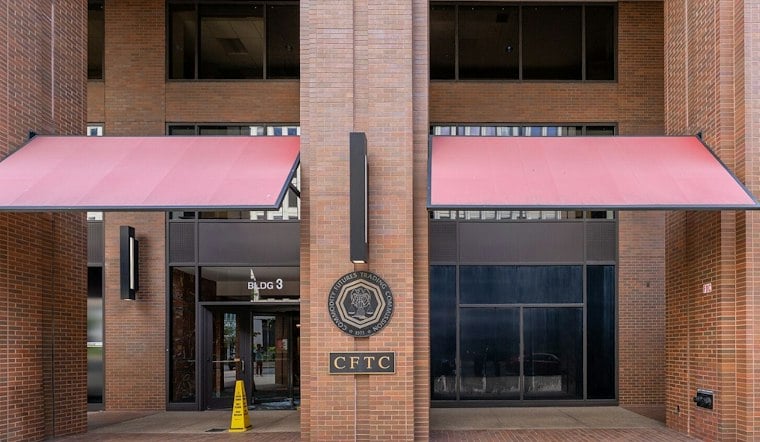
The legal distinction matters because, under U.S. law, contracts tied to a single stock are generally treated as security-based swaps — derivatives overseen by the Securities and Exchange Commission and mostly restricted to professional investors, the outlet reports. Some KPI contracts could also qualify as security-based swaps, though a Kalshi spokesperson disputed that characterization, according to the same reporting. The Commodity Futures Trading Commission, for its part, maintains it should oversee prediction markets because they deal in derivatives contracts, and the agency's own guidance describes event contracts as typically structured as swaps, per the Commodity Futures Trading Commission.
Vanderbilt law professor Yesha Yadav called prediction markets “a new frontier for market structure” and said watchdogs need to be urgent and creative in addressing the new products, the Observer's reporting states. Legal experts have also warned that the rapid growth of these markets could influence the underlying shares themselves and undermine regulators' ability to police trading. Equity-linked prediction markets, unlike registered exchanges, offer a venue for speculating on U.S. securities largely outside many regulated-exchange protections and surveillance rules — and the platforms allow around-the-clock trading and multiple simultaneous views on a company's performance, conditions that don't exist on Wall Street's traditional exchanges.
Money Lost, Money Made
Prediction markets do not offer the same protections and rights as stock markets, legal experts said, and the vast majority of traders lose money, per the same reporting. One wallet identified by the analytics firm Allium reportedly generated $175,000 in trading volume through roughly 1,300 Apple trades alone, illustrating how concentrated and rapid the activity on these platforms can get.
Polymarket and Kalshi both say they closely monitor for misconduct and routinely refer cases to U.S. authorities while collaborating with regulators. Polymarket has said market integrity is central to how it operates and that it works to block U.S. users from its international platform, which carries an offshore legal structure that is largely beyond the reach of U.S. watchdogs. The company says it is working with regulators on how swap and security-based-swap definitions apply to these novel event contracts.
Regulators Weigh In — or Stay Silent
The SEC and CFTC are reviewing how equity-linked prediction markets should be regulated, and in June 2026 the two agencies jointly sought public feedback on the oversight questions the industry has raised. A comment document filed with the SEC lays out a statutory framework in which equity options and security-based swaps tied to a single security, a narrow-based security index, or a qualifying issuer event fall under the agency's regulatory umbrella, according to the Securities and Exchange Commission.
Despite the scrutiny, the SEC declined to comment for the Observer's reporting, and the CFTC did not respond to a request for comment. Traditional financial firms and consumer groups want the SEC to take the lead in regulating these markets. Ben Schiffrin said insider trading could occur in KPI markets just as easily as it could in stocks, and argued that policing that kind of trading in KPI markets is squarely the SEC's job, per the Observer.
Lawmakers Sound the Alarm
Congress has taken notice too. Senator Adam Schiff has raised concerns about prediction markets and said lawmakers should not allow the industry to evade U.S. securities laws through these contracts. The remarks add political pressure to an already crowded regulatory picture, as the SEC and CFTC continue reviewing how to classify and oversee a fast-expanding corner of Wall Street that didn't exist in its current form even a year ago.
The push into equities builds on an industry that Polymarket and Kalshi built by pioneering prediction markets for sports events, elections and even military operations. Now, with billions of dollars in outside investment behind both companies, the question of whether betting on Tesla's stock price deserves the same guardrails as buying the stock itself remains unresolved in Washington.





