

























































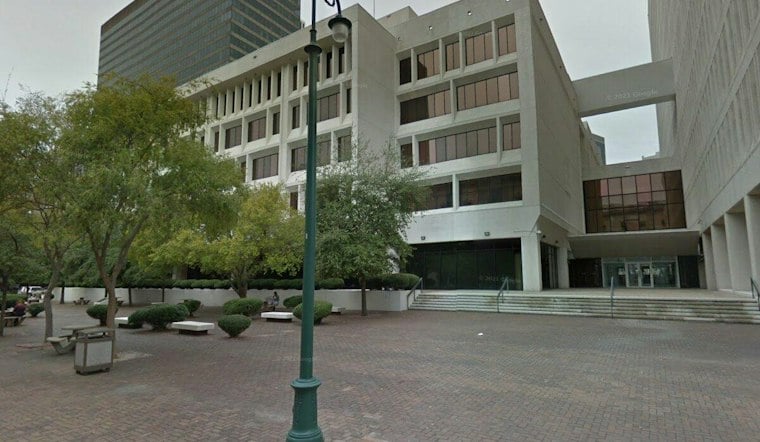
A federal indictment accuses New Orleans physician Dr. Christopher K. Whipple of submitting at least $5.9 million in false Medicare and Medicaid claims beginning in 2020, with at least $800,000 allegedly paid. New Orleans CityBusiness reported that Whipple was indicted June 22 in the U.S. District Court for the Eastern District of Louisiana; the charges are allegations, not findings of guilt.
The alleged billing-system access
The case centers in part on who could edit claims before they were sent to the health programs. CityBusiness reported that Trompe Couillon Adventures LLC employed medical providers who treated patients in nursing homes and other facilities, and that prosecutors allege Whipple retained access to its billing system after providers entered claims. Prosecutors say he could review and change them before submission.
Among the alleged examples, prosecutors say more than 70 claims were submitted for a patient Whipple had never treated, including claims in other providers’ names for services those providers had not performed. The indictment also alleges that Trompe Couillon submitted more than 350 claims for beneficiaries with service dates after their deaths, according to CityBusiness. The report says health plans had flagged Whipple’s billing as abnormal and as an outlier compared with peers; prosecutors allege he continued using the same codes after receiving notices.
Prosecutors further allege that payments went into a Regions Bank account Whipple controlled and were transferred to other accounts for personal expenses, including costs associated with a 2025 Ford Explorer and a yacht. Those spending allegations, like the billing claims, have not been established as findings of guilt, CityBusiness reported.
What the wider enforcement context does—and does not—show
Louisiana’s Medicaid Fraud Control Unit investigates and prosecutes Medicaid provider fraud and seeks recovery of identified overpayments, according to the Louisiana Office of the Attorney General. That general description does not establish whether the unit had a role in Whipple’s federal case.
A separate state case illustrates a different procedural outcome, not a connection to Whipple’s prosecution: the Louisiana Attorney General’s Office says Labadieville resident Keisha Kennedy pleaded guilty to three Medicaid fraud counts in the 19th JDC on March 25, 2026, and received two years of active supervised probation under a deferred sentence. Kennedy’s plea-resolved case is distinct from Whipple’s indictment, which alleges wrongdoing but does not establish guilt, according to the Attorney General’s Office.
National figures provide scale but cannot establish a Louisiana trend or add evidence to this case: the U.S. Department of Health and Human Services Office of Inspector General says its 2026 National Health Care Fraud Takedown involved 455 defendants and schemes involving more than $6.5 billion in alleged false claims. Those nationwide figures are not specific to Whipple or Louisiana, the HHS OIG notes.





