

























































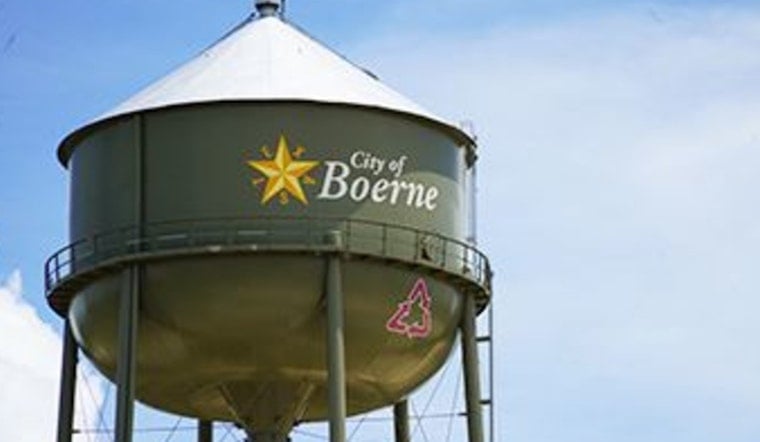
Boerne homeowners are about to feel another pinch in their monthly budgets. Starting in October, the average household's water, sewer and stormwater bill will climb to $89.97 a month, an 11.6% jump from the current $80.59, as the city moves ahead with the third of five planned annual rate increases tied to a sprawling infrastructure overhaul.
The Boerne City Council approved rate and fee increases for water, sewer, stormwater and reclaimed water service as part of a five-year rate plan, according to the San Antonio Express-News. Water, sewer and reclaimed water rates are each rising 7%, with the new charges reflected on residents' November bills. Based on an average household using 2,300 gallons a month, that means water climbs from $37.69 to $40.33 and sewer rises from $38.90 to $41.64, per the same report. The stormwater fee for the average property doubles from $4 to $8 a month, a separate increase set to take effect in October.
City officials say the increases are needed to pay for infrastructure upgrades as Boerne continues to grow, and the numbers behind that growth are stark: the city's population has more than doubled from 10,500 residents in 2010 to 25,000 today, while neighboring Kendall County has grown from 33,000 to 53,000 over the same period, the Express-News reports. Boerne spokesperson Chris Shadrock has been the city's point of contact on the rate changes. The 7% reclaimed water rate increase is excluded from the average homeowner's bill calculation because most Boerne homes don't actually use reclaimed water, which is treated wastewater typically directed toward irrigation, agriculture or industrial use.
Where the Money Is Actually Going
The rate hikes feed into a 10-year Capital Improvement Plan exceeding $100 million, with roughly two-thirds of that spending earmarked specifically for water and wastewater infrastructure, according to the City of Boerne. Much of the pipe and plumbing inside new subdivisions gets built by developers themselves, but the ongoing maintenance and the big-ticket treatment facilities fall squarely on the city's books. For 2027 alone, Boerne has proposed spending $17 million on water and wastewater infrastructure projects, funded through utility fees, developer charges and $7 million in debt, per the Express-News.
The single largest item on that list is a $20 million project to replace the aging Boerne City Lake Water Treatment Plant, which dates back to the late 1970s. A pilot study evaluating new treatment technology for the replacement facility launched in May 2024, according to My Boerne News. The rate structure adopted back in December 2024 was built to nudge down demand rather than spread costs evenly: households using under 25,000 gallons a month saw only a 4% bump at the time, while high-volume users consuming over 25,000 to 100,000-plus gallons faced increases of 35% to 45%, based on an independent rate study by NewGen Strategies & Solutions, as reported by the Boerne Star.
The city council also approved a $5.3 million project in April to expand a wastewater treatment plant, a project that includes a new pump facility, improvements to the existing pump station, and other upgrades to the facility, per the Express-News. On the east side of town, reclaimed water infrastructure is expanding to serve fast-growing developments: Boerne is installing a 600,000-gallon steel ground storage tank, with reclaimed water from that tank feeding developments on the city's east side. Boerne Utilities has budgeted $3.4 million for reclaimed water line extensions, including a $3.2 million main through the Trails at Herff Ranch and a $200,000 line under Highway 46 connecting to the fast-growing Esperanza neighborhood, the same city planning documents show.
Stormwater Dollars and a Flood-Prone Road
The doubled stormwater fee funds public drainage and flood control systems, and a large chunk of that revenue is earmarked for one project in particular: debt service on a $14.5 million upgrade to the low water crossing on Old San Antonio Road at Menger Creek, which is likely to be finished by the end of the decade, according to the Express-News. That project has a complicated cost history. Boerne municipal staff recommended temporarily pausing federal American Rescue Plan Act funding for the Menger Creek bridge in 2024 after estimates climbed to around $11 million, opting instead to direct immediate relief funds toward urgent culvert work on Adler Road, per My Boerne News. The bridge itself was originally part of a 2022 voter-approved bond program before its costs escalated further.
The urgency behind that spending became painfully visible two months ago. Severe flash flooding swamped parts of Boerne and Kendall County in July, leaving up to four feet of standing water in local facilities like Corrival Ranch and damaging active roadway construction sites along Adler Road and No Name Creek, as previously reported. That flood forced the city to adjust its construction schedule along Adler Road to recover from the damage, underscoring why officials consider the Menger Creek project a priority rather than a luxury.
Water Sources Add to the Pressure
Boerne draws its drinking water from three sources: roughly 42% to 65% comes from Canyon Lake surface water purchased through the Guadalupe-Blanco River Authority, about 25% comes from Boerne City Lake, and the remainder comes from local groundwater wells tapping the Trinity Group Aquifers, according to the City of Boerne. That mix matters because surface water requires ongoing contractual purchases and chemical treatment that well water doesn't, adding to overhead regardless of how much residents actually use.
Drought conditions have made that reliance on surface water even heavier. Under Stage 4 emergency drought rules enforced by the Cow Creek Groundwater Conservation District, which oversees groundwater conservation across Kendall County to protect the Middle Trinity Aquifer, Boerne faces a mandatory 40% cut in allowable well pumping, forcing the city to lean more on its Canyon Lake contracts to make up the difference.
To help offset the climbing bills, Boerne Utilities has offered conservation rebates since May 2024, providing bill credits of $100 to $150 for residents who install rainwater collection tanks, add rain or freeze irrigation sensors, or complete a professional irrigation efficiency audit, as Hoodline reported when the program launched. Rainwater rebate applicants must install tanks with at least 50 gallons of capacity to qualify. The stormwater fee increase itself is authorized under Subchapter C of Chapter 552 of the Texas Local Government Code, the Municipal Drainage Utility Systems Act, which allows Texas cities to treat drainage systems as public utilities funded by property owners, per FindLaw.
For now, Boerne residents have two more annual increases to look forward to under the five-year rate plan before it runs its course. With population growth showing no sign of slowing and major projects like the water treatment plant replacement and the Menger Creek crossing still years from completion, the city's utility bills are likely to keep climbing well beyond this fall's adjustment.





