

























































Brooklyn Democratic Party figures, past and present, have collected $190,000 in contributions and payments from more than 90 judges and judicial candidates since 2012, according to a newly published report. Critics quoted in that reporting describe the arrangement as a shakedown, alleging that judicial hopefuls faced pressure to pay into party-aligned accounts or risk losing their nominations.
The tally, first reported by the New York Post, spans the tenures of former Brooklyn Democratic Party chairman Frank Seddio and current chair Rodneyse Bichotte-Hermelyn. Critics cited in the report allege the money flowed from judges and judicial candidates in exchange for nominations, while insiders claimed sitting judges bypassed rules meant to keep them outside partisan campaigning and that candidates were pressured to attend party events and pay handpicked vendors or lose their spots on the ballot.
Both Seddio and Bichotte-Hermelyn pushed back hard. Per the Post's reporting, Seddio denied that judicial donations impacted his endorsement process, while Bichotte-Hermelyn denied that donations influence the county's judicial endorsements and said she followed relevant campaign finance laws.
Where the Money Reportedly Went
A significant share of the total came through one club in particular. The Shirley Chisholm Democratic Club collected over $53,000 from 24 judges and judicial candidates since 2013, the report notes, with payments filed mostly as petition expenses. Those entries reportedly lacked the expense information that would show candidates paid only for their share of costs, according to the same account.
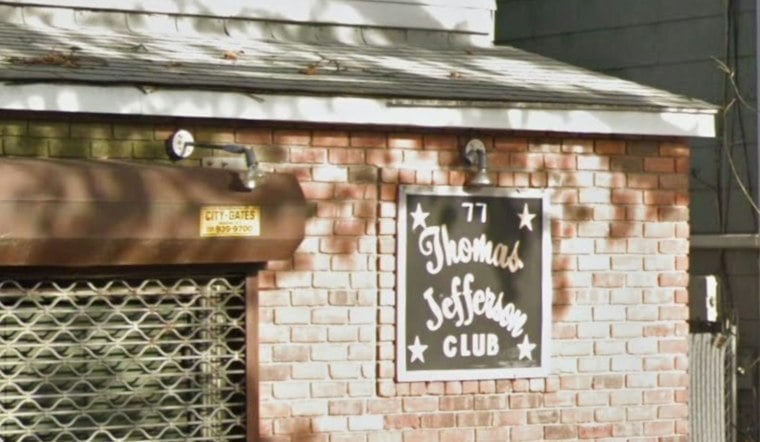
Two other Brooklyn political clubs named in the reporting, the Thomas Jefferson Club and the Seneca Club, are not registered as political committees, the Post found. Frank Seddio addressed the Thomas Jefferson Democratic Club in Brooklyn in September 2022, according to the report's sourcing.
Strict Rules, Loose Enforcement?
New York judges and judicial candidates face some of the strictest guidelines for political contributions in the country, per the reporting. Under those rules, judges and judicial candidates may buy up to two tickets to political events at a maximum of $250 per ticket, and sitting judges running for county judge may buy two event tickets within nine months of a primary or nominating event and within six months after the election.
The Office of Court Administration said, through a spokesperson cited in the report, that the donations in question were authorized within the permitted time frames. But the office did not provide the requested list of authorizations, the reporting states, leaving individual donations unmatched to specific permitted periods. Insiders separately claimed that sitting judges can donate perpetually by declaring candidacies for county seats every year and reapplying after the party endorses someone else instead.
Government watchdog Ben Weinberg said the public's confidence in the courts is undermined when judges appear dependent on party organizations for political support, endorsements, or advancement. Weinberg also said courts must be independent, and that the selection of judges should not be shaped by political donations or loyalty to party leadership. He argued perpetual donations go against the intent of the law, and said the alleged entrenched corruption could require appointment of a special prosecutor, calling for a wider investigation.
Alex Camarda said only the state Board of Elections' longstanding meek enforcement lets judges, judicial candidates and political clubs ignore basic campaign finance rules. The state Board of Elections did not respond to multiple requests for comment, according to the Post's reporting. The Commission for Judicial Conduct, which oversees judicial donations, has requested a copy of the information assembled by the outlet.
A Party With Outsized Reach
The Brooklyn Democratic Party represents 1.14 million registered Democratic voters, according to Gotham Gazette. Its executive committee, the top leadership body of the Brooklyn Democratic Party, is made up of 42 district leaders, and the party selects candidates for Civil and Supreme Court judgeships. The same outlet reports that the party selects judicial delegates who, more often than not, run unopposed.
Bichotte-Hermelyn became the first woman to lead the Brooklyn Democratic Party in 2020, succeeding Seddio, per Gotham Gazette. Reformers have separately accused party leadership of using proxy votes, petition challenges and running candidates without their consent, and a December 2020 organizational meeting stretched 26 hours over two days while reformers' proposed rules changes were overruled.
Elsewhere, HuffPost has reported that reform-aligned Brooklyn Democrats accuse Bichotte-Hermelyn's county machine of suppressing dissent through ballot challenges, alleged forgeries and placing residents in low-level party positions without their knowledge. The outlet also noted that the party apparatus, known as County, had been hemorrhaging money under Seddio before Bichotte took over.
Separately, nearly 50 judges were cautioned in 2023 over federal political contributions, and Joseph Zayas issued a memo that year warning about judicial donations, according to the Post's reporting. Bichotte-Hermelyn spoke at a rally at Brooklyn Borough Hall in July, and Gregorio Mayers attended the Democratic National Convention in Chicago in August 2024, per the same reporting.





