

























































More than half of nursing homes surveyed in 2023 had to limit new patient admissions because they couldn't staff enough beds, and home health agencies said they turned away more than a quarter of referred patients for the same reason. The shortage is landing hardest in a workforce that leans heavily on immigrants, while inadequate visa and green-card pathways remain a structural obstacle to expanding it.
Immigrants make up roughly a quarter of the country's direct-care workforce, according to the Bipartisan Policy Center, a category that includes nursing assistants, personal care aides and home health aides. The same report found the workforce is disproportionately made up of women, at 86%, and people of color, at 60%. Foreign-born workers are especially concentrated in specific roles: more than 30% of home care aides, over 20% of nursing assistants, 20% of registered nurses in nursing homes and over 15% of licensed practical nurses in nursing homes are foreign born, according to LeadingAge, a national network of nonprofit nursing homes and home health organizations serving older adults.
Demand Is Outpacing the Labor Supply
The math behind the shortage is stark. The direct-care workforce grew from 2.2 million workers in 2000 to 5.1 million in 2022, but the Bipartisan Policy Center projects demand will generate 8.9 million job openings between 2022 and 2032 — far more than the current pipeline can fill. Nearly 23 million U.S. adults reported significant difficulty with at least one functioning domain in 2019, including 10.2 million adults age 65 or older, underscoring how much care is already needed.
That demand is compounding as the population ages. The oldest members of the baby boom generation turned 80 in 2026, an age when the need for long-term care rises sharply, according to The New York Times. Yet nursing home capacity has been shrinking rather than growing: the number of nursing facilities certified by the Centers for Medicare and Medicaid Services fell by more than 900 between 2015 and 2025, the Times reports.
Bed Closures Are Already Visible
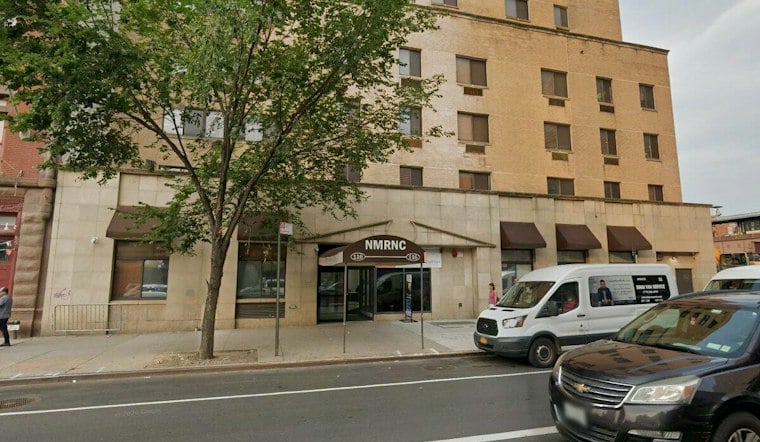
The effects are showing up in concrete numbers. In New York State, 24 nursing homes have closed since 2020, eliminating more than 3,000 licensed beds, per the same Times report. One provider, ArchCare, cut its San Vicente de Paúl Nursing Home in the South Bronx from 120 available beds down to 53 and has signaled plans to reduce capacity further. Across ArchCare's eight nursing homes, the network had 269 fewer usable beds than it did 18 months earlier — a nearly 12% decline that has created waiting lists for long-term care, the outlet notes.
A Narrow Path for Foreign-Born Workers
A Narrow Path for Foreign-Born Workers The Bipartisan Policy Center's report identifies a system that is not structured to ensure adequate visa and green-card pathways exist for foreign-born direct-care workers as a core obstacle to expanding the workforce.
The stakes of getting the pipeline wrong extend well beyond staffing spreadsheets. The Bipartisan Policy Center documents hospital discharge delays and the role of unpaid caregivers in its assessment of the workforce shortage. With demand accelerating and the supply of workers already falling short, expanding visa and workforce pathways remains one potential way to address the gap.



