

























































Luis Jeovanny Saravia, a repeat sex offender convicted of brutally sexually assaulting a 20-year-old Carmichael woman with cerebral palsy and severe developmental disabilities, is scheduled for a parole hearing on Wednesday, September 9, under California's Elder Parole Program. The Sacramento County District Attorney's Office says it is committed to providing the highest level of public protection in the courtroom and community as it prepares to fight his potential release.
Saravia was working as a Comcast cable subcontractor installer when he attacked the victim in July 2003, and he was ultimately identified after being captured on security video wearing his company ID badge, according to Multichannel News. He was convicted in Sacramento Superior Court in 2004 on multiple felony sexual assault charges. The victim's family later filed civil lawsuits questioning how the subcontractor's background checks failed to catch his history, per the same outlet.
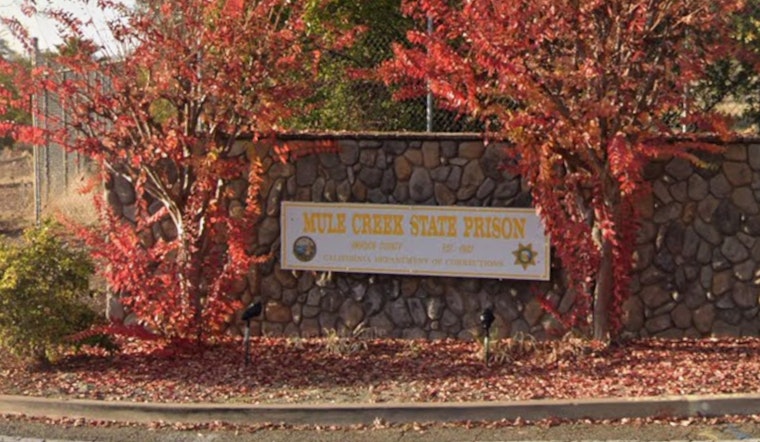
That history was extensive. Before his 2003 Sacramento arrest, Saravia had already racked up four felony convictions in Oregon for rape and sexual abuse, was deported to El Salvador, and then illegally re-entered the United States, Multichannel News reported at the time. State correctional records reviewed in May 2026 list Saravia, CDC number V66089, as incarcerated at Mule Creek State Prison with an admission date of February 2, 2005, and note he had a previously scheduled initial suitability hearing in June 2025 before this week's proceeding.
How Elder Parole Opened the Door
Saravia's eligibility traces back to California Penal Code § 3055, which allows incarcerated people who are at least 50 years old and have served a minimum of 20 consecutive years on their current sentence to seek parole consideration under the statutory Elderly Parole Program, according to FindLaw. The law applies to both determinate and indeterminate sentences. Under the statute, the Board of Parole Hearings must give special consideration to whether advanced age, time served, and diminished physical condition have reduced an inmate's risk of future violence.
The pool of eligible inmates expanded dramatically under Assembly Bill 3234, signed in 2020 and implemented in 2021, which lowered the qualifying age from 60 to 50 and cut the required continuous incarceration from 25 years to 20 years, per ABC10. That 2021 expansion allowed many violent and sexual offenders to become eligible for release years ahead of schedule.
Sacramento Prosecutors Push Back With New Legislation
Frustration with that expansion has translated into a legislative fight. In March, Assemblymember Stephanie Nguyen (D-Elk Grove) and the Sacramento County District Attorney's Office co-sponsored Assembly Bill 2727, which seeks to reform the Elderly Parole Program by excluding or raising eligibility thresholds to age 65 or 75 for people convicted of serious sexual offenses against children and vulnerable victims, according to the Orange County District Attorney's Office. Sacramento prosecutors have repeatedly warned that the current rules create public safety risks.
As of late August, lawmakers in the Senate and Assembly had advanced amended versions of AB 2727 following bipartisan backlash over parole board decisions involving high-profile sex offenders in Northern California, according to the Daily Journal. The bill is meant to ensure sex offenders face rigorous psychological screening under the Sexually Violent Predator Act before any potential release.
Part of a Wider Pattern in Sacramento County
Saravia's hearing follows a string of controversial 2026 Sacramento-area elder parole cases, including those of Gregory Lee Vogelsang, Israel Ceja, and David Allen Funston, in which repeat sex offenders were granted or recommended for release, the Daily Journal reported. Those decisions triggered public outrage and prosecutor challenges, and public pressure has recently forced state authorities and local district attorneys to block or re-examine several scheduled releases. Hoodline has previously covered similar fights involving other Sacramento-area offenders.
State data offers a different lens on the broader program. Figures from the California Department of Corrections and Rehabilitation show that people released through the Elderly Parole Program have a recidivism rate below 3%, with less than 1% returning to prison for a violent crime, according to CalMatters. Former parole board officials cite forensic risk assessments conducted before hearings as key to those low reoffense rates.
Still, Sacramento County prosecutors argue those statistics obscure the specific danger posed by repeat sexual predators like Saravia, whose 2003 conviction involved the brutal assault of a developmentally disabled victim on top of his prior Oregon felony record. The Sacramento County DA's office says it remains committed to providing the highest level of public protection in the courtroom and community as the September 9 hearing approaches. Whether the parole board grants, denies, or defers a decision in Saravia's case remains to be seen.



