

























































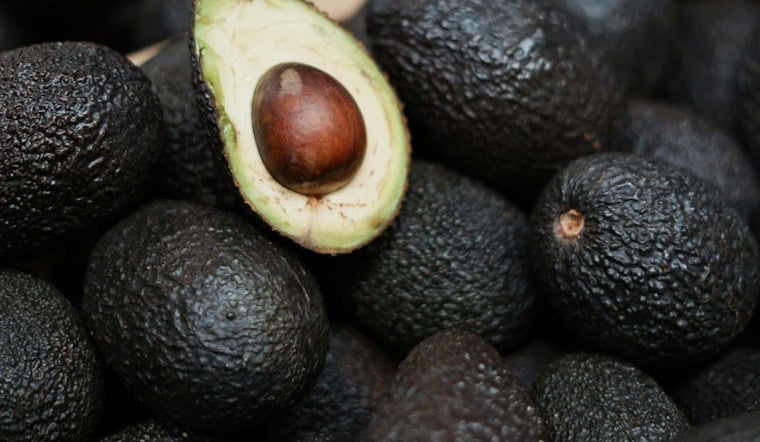
Carpinteria's downtown will once again fill with the smell of fresh guacamole and the sound of live music when the California Avocado Festival returns October 2 through 4, 2026, marking 40 years since community volunteers first launched the event. The free-to-enter festival will spread across the palm-lined stretch of Linden Avenue down toward Linden Field, with more than 60 bands and at least 15 food vendors expected, according to a report from NBC Los Angeles.
The festival began in 1986, when local leaders Rob Godfrey, Connie Korbel, Debbie Murphy, Fran Puccinelli, Bob Ealee, and John Franklin set out to create a signature weekend event that could support local non-profit fundraising and boost tourism in Carpinteria, according to the California Avocado Festival. Four decades later, the event operates as a 501(c)(3) non-profit run by a volunteer board, and it still leans on its longtime slogan, peace, love, and guacamole, to sum up the vibe, as NBC Los Angeles reports.
A Guacamole Contest and a Whole Lot of Mash
Beyond the bands and food booths, the festival's roster of activities includes shopping, browsing, and crafts, along with a guacamole contest that requires advance registration through the festival website, per the same NBC Los Angeles report. That competition sits alongside the event's best-known spectacle, the World's Largest Vat of Guacamole, where volunteers mash thousands of pounds of fresh avocados on-site for the crowd, according to Visit California. The vat is typically paired with live mashing demonstrations, recipe competitions, and specialty dishes like avocado ice cream.
Organizers also run the festival as a zero-waste green event, aiming to divert nearly all festival waste from landfills through targeted recycling and composting, according to the Santa Barbara Visitors Guide. That environmental push extends to the festival's broader community mission: beyond the commercial vendors, the event serves as the primary annual fundraising platform for more than 40 local non-profit service groups, which retain profits from food and booth sales to fund year-round charitable work, and it provides local youth scholarships in agriculture, music, fine arts, and culinary arts, per the California Avocado Festival.
Farming Roots on Display
Festival programming also includes the AvoExpo Tent, where visitors can watch agricultural grafting demonstrations, see antique tractors restored by Future Farmers of America, and check out the Largest Avocado Contest, where past winning entries have weighed three to four pounds, according to the Santa Clarita Valley Signal. The exhibits nod to the Carpinteria Valley's long history of commercial farming, an industry that still anchors much of the local economy.
That agricultural backdrop carries real financial weight. Santa Barbara County's avocado crop generated an average annual gross value exceeding $55 million between 2022 and 2024, keeping the county in third place statewide behind Ventura and San Diego, according to the Santa Barbara County Agricultural Commissioner. Statewide, California's total avocado acreage reached 55,484 planted acres in late 2025, with bearing acreage projected by industry groups to grow to nearly 52,000 producing acres in 2026 as younger orchards mature, per the California Avocado Commission.
Local Growers Face a Crowded Market
Hass avocados make up roughly 95 percent of all California avocado production, and while the state accounts for about 90 percent of domestic U.S. avocados, imported fruit from Mexico still supplies nearly 90 percent of total U.S. consumer demand, according to the Hass Avocado Board. That competitive squeeze, combined with high local water and labor costs, has kept pressure on California growers even as the festival built around their crop keeps expanding.
Downtown Carpinteria sits roughly 12 miles south of Santa Barbara along the U.S. 101 corridor, and street closures along Linden Avenue during the festival typically push attendees toward park-and-ride shuttle lots at local schools, according to the Santa Barbara Visitors Guide. The festival routinely draws between 80,000 and 120,000 visitors over its three-day run, a striking figure for a city of under 14,000 residents, per the City of Carpinteria. With its 40th anniversary approaching, organizers appear set to keep the tradition of community fundraising, agricultural pride, and a very large vat of guacamole going for another year.





