

























































The request before the court
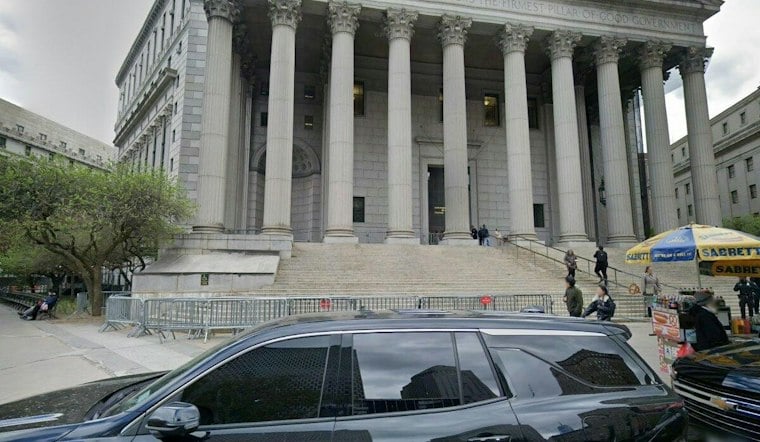
The petition before Manhattan Supreme Court asks Google to provide information that could identify the person operating an email account that allegedly impersonated Cecily Brown and solicited artists with false business opportunities, according to the New York Post. Brown filed it on September 9 as a step toward a possible lawsuit against the unknown account holder; the petition does not make Google the target of the underlying impersonation claim.
The legal route
The petition relies on Section 3102(c) of New York’s Civil Practice Law and Rules, a procedure that can allow a prospective plaintiff to obtain limited information before filing a complaint. Courts construe such requests narrowly, and the petitioner must present facts fairly indicating a viable claim while showing that the requested information is material and necessary, according to Yankwitt LLP.
What the filing describes
A precedent for identifying anonymous online actors
New York courts have treated pre-action requests to identify anonymous defendants as requiring a substantial factual basis. In a 2009 decision, Supreme Court, New York County, said a petitioner seeking such disclosure must make a strong showing that a cause of action exists, according to Matter of Cohen v Google, Inc. That case concerned allegedly defamatory blog posts rather than an email impersonation and solicitation scheme, so the court’s standard provides procedural context but does not resolve Brown’s petition.
The account at issue used the address [email protected]. The filing connects that name to Brown’s Instagram handle, aujourdhuirose, and to Aujourd’hui Rose, a Brown painting in the National Gallery of Art’s collection in Washington, D.C., the Post reported. Brown learned of the alleged impersonation in July after another artist sent her a copy of a message from the account. The message thanked artists for their support and invited the recipient to consider a professional opportunity.
Brown sent a cease-and-desist notice to the address but received no response, according to the Post. She also warned her approximately 28,000 Instagram followers in July that someone was sending emails while pretending to be her.
Next steps
The court’s decision on the disclosure request would determine whether Brown can obtain identifying account information and decide whom to name in a later action. Brown’s attorneys and Google did not respond to requests for comment, the Post reported.




