

























































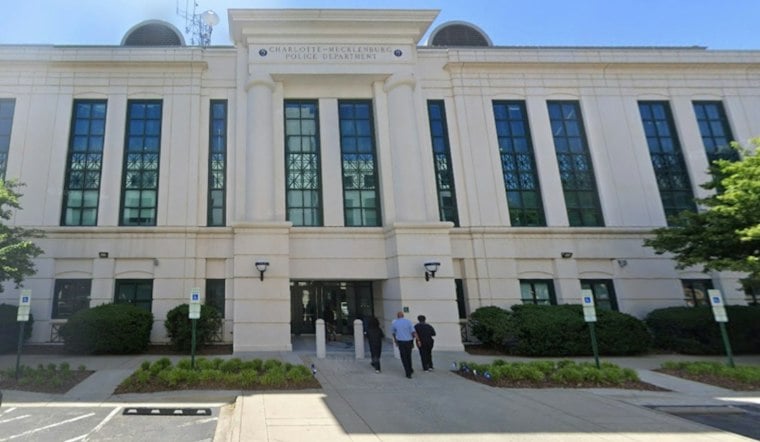
A convicted felon caught with an illegal firearm has been sentenced to nine years in prison, according to the U.S. Attorney’s Office for the Western District of North Carolina. The case involved both the FBI’s Charlotte field office and the Charlotte-Mecklenburg Police Department, which were credited with work on the case.
The nine-year sentence was announced in a post from the U.S. Attorney WDNC
, which credited the FBI Charlotte and the Charlotte-Mecklenburg Police Department for their work on the case. The post did not name the defendant, describe the firearm involved, or specify the court, case number, or the exact statutory charges brought against him, and none of those details have otherwise been made public.
Federal Prosecutor Announces Nine-Year Sentence
Federal Prosecutor Frames Case as Public Safety Priority The case involved a convicted felon and an illegal firearm.
The office’s statement did not detail the specific investigative or prosecutorial roles played by FBI Charlotte or CMPD in building the case, and the account offered no further comment beyond directing readers to additional information at linked resources, noting it does not collect comments or messages through the platform.
How the Case Fits a Larger Pattern
Federal prosecutors elsewhere have reported other firearm-related sentencings in recent weeks. The U.S. Attorney’s Office for the District of Massachusetts reported that a Boston man was sentenced to nine years in prison for illegal possession of a loaded semi-automatic pistol along with drug trafficking. In Kentucky, the U.S. Attorney’s Office for the Eastern District of Kentucky announced that a Mercer County man was sentenced for armed fentanyl trafficking and illegal firearm possession as a convicted felon.
Federal law generally bars convicted felons from possessing firearms under 18 U.S.C. § 922, as set out by the U.S. House Office of the Law Revision Counsel. It is not established which specific subsection applied in the Charlotte case, since the office’s announcement did not spell out the exact charges.
Cases like these make up a significant share of the federal docket nationally. The U.S. Sentencing Commission has reported figures suggesting thousands of convictions tied to Section 922(g) each year, according to the U.S. Sentencing Commission.
For now, the Charlotte case remains defined largely by what prosecutors have publicly confirmed: a felon, an illegal gun, and a nine-year sentence, with FBI Charlotte and CMPD both credited as partners in the investigation. The post did not address whether similar referrals will continue.





