

























































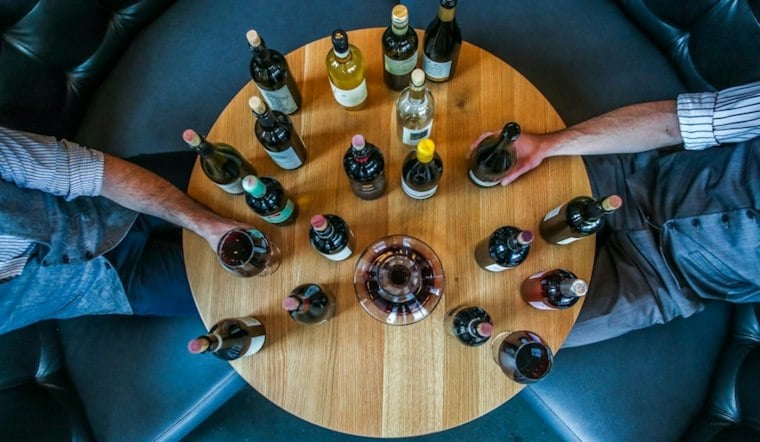
More than 100 different sakes will be poured at Finn's Manor next Saturday, Oct. 3, when the Queen City Sake Fest returns to Denver's River North area for its third year. General admission runs from 1 to 4 p.m., while VIP access begins at noon. Tickets include tastes from more than 100 sakes and bites from local restaurants, with five sake breweries and 11 importers and distributors setting up tables across the venue.
This year's brewery lineup includes Dassai, Kikusui, Tamano Hikari and Shunnouten pouring alongside hometown label Colorado Sake Co., according to Westword. Two attendees this year hold the title Sake Samurai, a distinction the Japan Sake Brewers Association has bestowed since 2005 and one that only five or six people worldwide earn in a given year, per the same report.
From a Side Gig to a Real Denver Institution
The festival began as a practical answer to a local tasting gap. Co-founders Katrina Schlom and Allison Elliott, both alcohol-industry professionals, wanted more opportunities to compare multiple sake bottles side by side, Westword reports. Elliott, a longtime sake buyer for E-Corp, told the outlet that the company's annual imports have grown from roughly 150 cases when she started 16 years ago — about three pallets — to more than 7,000 cases today, or closer to three pallets a week.
The Queen City Sake Fest describes itself as a non-profit event meant to create a welcoming environment where curious newcomers and seasoned experts alike can connect, taste and grow their palates together. Every ticket includes a handmade O'Bware sake cup to keep along with a passport to stamp at each table, according to Denver Drop. VIP ticket holders get an extra hour to walk the festival, with access beginning at noon.
Denver's Slow Build Toward Sake Credibility
Sake mostly showed up on beverage lists at sushi restaurants some 20 years ago; now it appears on tasting menus that have nothing to do with Japanese food, the outlet reports. Denver-based sake broker Melanie Malosky, who has represented Japanese sake portfolios locally since the early 2000s, spent years pouring sake in wine glasses at tastings specifically to strip away what the article describes as the drink's foreign, intimidating framing. Ben Haslar, a software developer and the sole non-industry member of a monthly sake tasting group, has watched Denver liquor stores evolve from five bottles tucked away in a corner to completely dedicated shelves, per the same account. Bonnie Brae Liquors is cited as one shop now offering dozens of sake options across many styles.
Formal sake education has been limited in Colorado, but Sally Mohr is filling part of that gap. A Master Sommelier since 1995 — only the second woman in the U.S. to earn that title — Mohr holds credentials from four separate certifying bodies and has traveled to Japan five times to deepen her sake knowledge, the same report states. She is teaching a WSET Level 1 Sake course at Metro State the day after the festival, on Oct. 4.
What the Broader Data and Training Landscape Show
The education options extend beyond Colorado's local programming. The Wine & Spirit Education Trust offers a Level 1 Award in Sake covering production, styles, service and tasting, while Sally Mohr's WSET Level 1 Sake course at Metro State is scheduled for Oct. 4. The latest verified export figures also point to continued international demand, though they do not provide a full 2026 comparison. According to Business Wire's report on Japan Sake and Shochu Makers Association data, global sake export value rose 6 percent year over year in 2025 to 45.9 billion yen, while export volume increased 8 percent to 33.55 million liters.
A Small Slice of a Growing Category
Nationally, sake sales to the U.S. grew 6 percent between 2024 and 2025, based on customs-based export data published by the Japan Sake and Shochu Makers Association and cited by the Westword report. Even so, sake sales remain a rounding error in total alcohol sales, at roughly half a percent of the market nationally, the outlet notes. Denver retailers stock the same handful of familiar labels in many cases, but the city overall now has a broad selection compared with years past.
New York, Los Angeles and San Francisco already had annual sake festivals of their own before Queen City Sake Fest launched, according to the report. Sake importers also tend to work with smaller sampling budgets than their wine and spirits counterparts, which has made festival-style tastings especially valuable for introducing new labels to Colorado drinkers.
Beyond the Bottle: Cans and Culture
The shift toward sake showing up in unexpected places extends beyond festival tables. At Denver restaurant Uncle, Tommy Lee became Colorado's first customer for Kikusui Funaguchi canned sake, and Westword credits his menu with helping make canned sake feel cool rather than cheap. American sake educators have also adopted descriptive sales language borrowed from the wine industry, part of a broader wave of production styles inspired by categories like French winemaking, according to a related report from Wine Enthusiast. That outlet also points to innovation across the category, including barrel-aged and frizzante, Pét-Nat-style sakes and revived heirloom rice varieties aimed at younger drinkers, even as sake sales within Japan itself have fallen every year since 1975.
For visitors, the festival offers a concentrated way to explore that wider selection: more than 100 pours, local food and access to producers and importers in one afternoon at Finn's Manor.




