

























































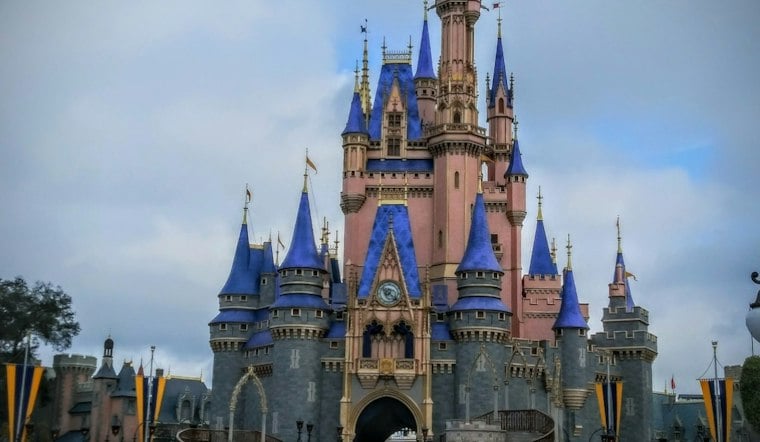
Walt Disney World plans to add more than 5,000 jobs in Central Florida over the next five years as it moves ahead with what it describes as the largest expansion in Magic Kingdom history, The Kansas City Star reports. The positions are expected to span areas including culinary and hotel operations, engineering, horticulture, marketing and data science, adding to a resort workforce of about 80,000 cast members.
The hiring comes in a region where tourism is a central economic force. Orange County’s adopted fiscal 2026 budget says 75.3 million visitors generated $93 billion in economic impact in 2024, while approximately 80% of the region’s workforce is connected to leisure and tourism, according to county records.
Disney will also be recruiting in an active hospitality labor market. FloridaCommerce reported that the Orlando metropolitan area added 6,100 leisure-and-hospitality jobs year over year in August 2025 and had a 4.3% unemployment rate, making the planned hiring a significant addition in a sector that was already expanding, according to the agency’s employment report. Those figures describe the broader region, however, and do not establish how many applicants Disney will receive or how quickly the company will fill the positions.
A long-term development framework
The jobs are tied to a broader resort investment program involving projects across Disney’s four theme parks. Planned additions include Cars-themed experiences and a Villains Land at Magic Kingdom, a Tropical Americas land featuring concepts inspired by Encanto and Indiana Jones at Disney’s Animal Kingdom, and a Monsters, Inc.-themed land at Disney’s Hollywood Studios, according to The Kansas City Star.
The development program follows a June 2024 agreement between Disney and the Central Florida Tourism Oversight District. The agreement permits Disney to invest up to $17 billion over a period of 10 to 20 years and requires at least $8 billion in spending during the first decade, while also requiring at least half of capital-expansion spending to go to Florida-based businesses and committing Disney to a $10 million affordable-housing contribution, Business Insider reported. Those terms establish an investment framework; they do not by themselves show that the full $17 billion has already been committed to specific projects or spent.
What prospective cast members can expect
Disney says new cast members begin with Traditions, a mandatory orientation at Disney University that covers company culture and guest service before location-specific training. The company’s hiring information says eligible full-time and part-time employees can receive complimentary theme-park admission after two weeks, along with access to benefits that may include health and savings plans, paid time off, education programs and other employee services, according to Disney Experiences.
Disney also promotes its College Program for students and recent graduates and says its Disney Aspire program covers 100% of upfront tuition for eligible hourly cast members. The program includes options such as trade certifications, high school completion and college degrees, with partnerships involving Central Florida institutions including the University of Central Florida and Valencia College, according to the company. Eligibility, scheduling and the availability of individual roles can vary, so the benefits do not necessarily apply identically to every new hire.
Housing and infrastructure remain part of the backdrop
The scale of the hiring plan also matters in a county already budgeting for growth-related needs. Orange County’s fiscal 2026 budget allocates $17.7 million for affordable housing and includes $6 million for an accelerated transportation plan, according to county records. Those figures provide local context for Disney’s separate housing contribution, but they do not measure the specific effect of the planned hires on rents, commuting or public services.
For Disney, the expansion creates a large pipeline of jobs connected to new attractions and resort operations. For Central Florida, it adds to an economy already heavily dependent on visitors and leisure employment. The key unresolved details are the timing of individual projects, the final number and mix of permanent positions, and how many of the planned jobs will be filled as construction and new attractions progress.





