

























































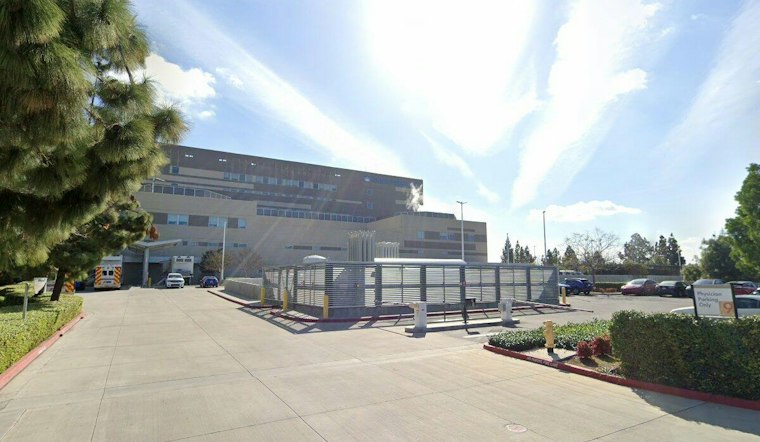
Pilar Ayala was rushed by ambulance to Kaiser Permanente Fontana Medical Center with a ruptured brain aneurysm, the kind of medical emergency that leaves little room for error. Doctors also identified a second, unruptured aneurysm, and Dr. Liang recommended a second procedure months later.
According to Fontana Herald News, Dr. Conrad Liang treated Ayala's 8 mm ruptured aneurysm using a procedure called coiling. Liang is a vascular and interventional neurologist and, according to Kaiser Permanente Southern California Research, the lead physician of Neurointerventional Services at the Fontana medical center. Coiling involves threading tiny coils into the aneurysm to block blood flow and stop further bleeding, per the same account of Ayala's case.
A Second Threat Discovered Mid-Treatment
Even as Liang worked to stabilize the ruptured aneurysm, imaging revealed Ayala had a second, unruptured aneurysm. The report notes Liang recommended a second, preventive surgery to reduce the risk that this hidden aneurysm would eventually rupture on its own. Left untreated, an aneurysm carrying that kind of risk typically requires intervention: as the National Health Service explains, surgery is usually needed once an aneurysm is at risk of bursting or has already burst.
To address the second aneurysm, Ayala underwent complex cranial surgery to clip it — a procedure the article describes as known for its intricacy and risk. Clipping works differently than coiling; rather than filling the aneurysm from the inside, surgeons place a small metal clip directly on the blood vessel to seal it off, according to the NHS's description of the two standard approaches to treating brain aneurysms.
Two Weeks in Intensive Care
During her initial hospitalization, Ayala spent two weeks in the intensive care unit, where the Fontana Herald News reports she was cared for by a multidisciplinary team. The article identifies Dr. Vaninder Chhabra as a neurosurgeon at the Fontana medical center; Kaiser Permanente's own physician page confirms Dr. Vaninder Singh Chhabra is affiliated with the health system's neurosurgery department.
Ayala said Dr. Liang saved her life, and that she is healthy and grateful today because of his expertise and precision, according to the Fontana Herald News account of her recovery. Her case illustrates how quickly a single aneurysm diagnosis can turn into a two-part medical ordeal, especially when a second, silent threat is uncovered mid-treatment.
How Doctors Weigh Coiling Versus Clipping
The two techniques used in Ayala's care — coiling and clipping — represent the two primary paths available to treat brain aneurysms. The NHS notes that endovascular surgery places a coil or small piece of wire mesh inside the aneurysm, while clipping requires surgeons to access the blood vessel directly with a small metal clip. Research into aneurysm outcomes remains active: a 2024 study tracked a cohort of 837 patients with spontaneous subarachnoid hemorrhage and one or multiple aneurysms, according to findings published on PubMed Central. For Ayala, the choice of treatment for each of her two aneurysms fell to her care team at Kaiser Permanente Fontana.





