

























































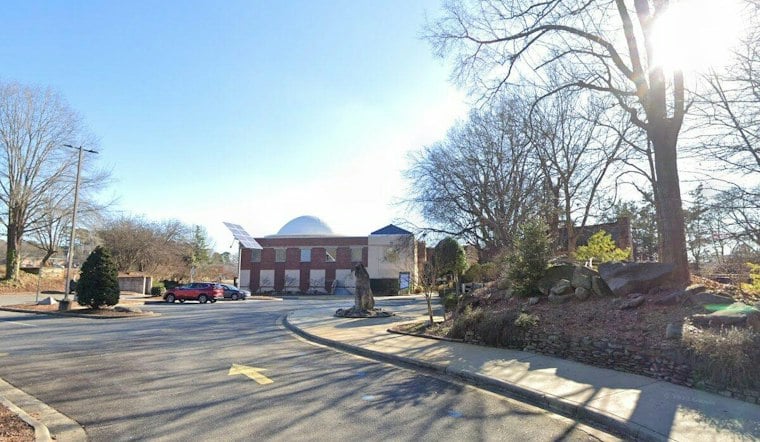
Fourteen full-bodied dinosaur skeleton casts now tower over visitors at the Schiele Museum of Natural History in Gastonia, where the new Elizabeth Williams Robinson Hall of Dinosaurs has opened as the largest dinosaur exhibit in the Carolinas. The 4,200-square-foot permanent hall blends fossils, full-scale skeleton casts, and hands-on interactive experiences meant to give guests what museum officials describe as an immersive journey through prehistoric life.
According to WCNC, the hall's lineup of prehistoric giants includes a Tyrannosaurus rex, Triceratops, Stegosaurus, and Apatosaurus among its 14 casts. Those skeletons were fabricated and shipped to Gastonia by Triebold Paleontology, Inc. ahead of the exhibit's fall grand opening, according to the Schiele Museum. The same museum notes that among its authentic fossil specimens is a rare Edmontosaurus fossil displaying clearly visible healed bite wounds from an ancient T. rex attack — a specimen that helps explain how paleontologists piece together predator-prey dynamics from bone injuries alone.
A Curator's Case for Eastern Dinosaurs
Dr. Nick Brand, the museum's Curator of Research & Collections, said the new hall lets visitors experience dinosaurs in an exciting and educational way, per WCNC. Brand also called the Elizabeth Williams Robinson Hall of Dinosaurs a permanent museum addition and an investment in lifelong learning, adding that the museum decided to make the exhibit permanent simply because people love dinosaurs.
The hall's design carries a deliberate regional twist. As the City of Gastonia notes, Brand curated the exhibit to spotlight prehistoric creatures native to eastern North America, including Appalachiosaurus — sometimes called the East Coast T. rex — and Eotrachodon, a duck-billed dinosaur relative. That framing sets the Schiele's hall apart from many dinosaur displays that lean almost entirely on famous western U.S. digs in states like Montana or South Dakota.
Beyond the big skeletons, the exhibit's case work includes smaller but striking pieces: a Triceratops horn, a T-rex tooth, a Stegosaurus tail spike, and fossilized dinosaur droppings, according to WCNC. Visitors approaching the hall are first greeted at the museum entrance by a life-sized Quetzalcoatlus flying reptile depicted landing at a nest to feed its young, a display that replaced the museum's longtime lobby cast of a T. rex nicknamed Wankel Rex, according to Go Gaston NC.
Community Fundraising Behind the Build
The new permanent hall exists thanks to The Paleo Project, a multiyear capital and community fundraising campaign backed by regional donors and named to honor local figure Elizabeth Williams Robinson, per the Schiele Museum. The museum has also built out weekend programming to mark the opening: Dino Days ran September 26 and 27 with dinosaur-themed activities, special programs, and opportunities to learn about paleontology, while a companion Dinos After Dark event on September 26 offered guided tours of the new exhibit alongside beer and wine service, according to WCNC.
Gaston County officials are tying the opening to a broader push to draw visitors into surrounding towns. Go Gaston NC reports that the county launched the Gaston County Dino Trail, running September 1 through December 31, linking local restaurants, shops, and attractions through collectible dinosaur trading cards, with participating small businesses rolling out dinosaur-themed menus, merchandise, and activity stops.
Six Decades of Growth for the Schiele
The museum's roots trace back to July 24, 1961, when naturalists Rudolph “Bud” and Lily Schiele founded it as a 1,500-square-foot, one-room building on two acres, built on 38 years of the couple's personal specimen collecting and scouting work, according to the City of Gastonia. It has since grown into a 77,000-square-foot facility spread across a 20-acre campus. In 2001, the Schiele became an official Smithsonian Affiliate, one of roughly 70 museums nationwide eligible to borrow artifacts and collaborate on research with the Smithsonian Institution, per Go Gaston NC.
Located about 20 miles west of uptown Charlotte along Interstate 85, the Schiele draws approximately 96,000 visitors a year and houses the second-largest planetarium dome in North Carolina. Families planning a trip can also take advantage of a longstanding perk: through a corporate partnership with Duke Energy active since 2012, the museum offers free general admission to all visitors, including its permanent indoor galleries, on the second Tuesday of every month from 4 p.m. to 8 p.m., according to the Schiele Museum.





