

























































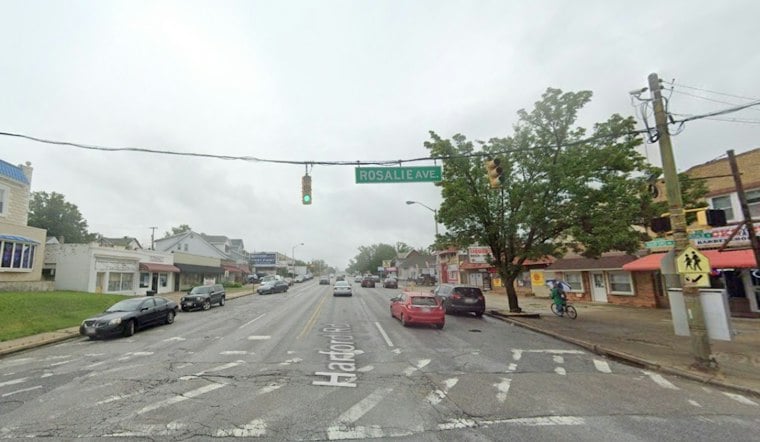
A proposal to allow denser housing along Harford Road is back before Baltimore residents after a judge nullified an earlier version over procedural problems. Councilman Ryan Dorsey is seeking to revive the plan through a replacement bill, while opponents and supporters continue to disagree over whether added housing would strengthen the corridor or change established neighborhoods.
Dorsey held two constituent meetings at The Cube, which houses his Northeast Baltimore district office, as part of the renewed effort. Residents who oppose the proposal raised concerns about neighborhood character, ownership patterns and the adequacy of the planning process. Supporters argued that additional apartments could expand housing choices and help sustain businesses along the corridor, FOX45 News reported.
A legal reset, not a policy settlement
The earlier measure, Council Bill 24-0544, passed 10-5 and took effect Jan. 2, 2025. A judge later rejected it after finding procedural violations, including inadequate notice and insufficient time for public review, according to Baltimore Brew and FOX45. Dorsey subsequently introduced Council Bill 25-0093, an identically written replacement, the Brew reported.
That history leaves two separate questions. The first is procedural: whether the replacement can move through the required notice, review and hearing process. The second is substantive: whether the council should permit more multifamily development along Harford Road. The court ruling resolved neither the broader housing debate nor the merits of the proposed density.
What the proposal would change
As described in the current coverage, the proposal would cover roughly three miles between Herring Run Park and the city-county line. It would remove single-family zoning within 500 feet of Harford Road and allow multifamily housing and other multistory development, including apartment buildings as tall as six stories, according to Baltimore Brew and FOX45.
The practical effect would extend beyond properties directly fronting Harford Road: some side-street parcels within the proposed 500-foot area could become eligible for forms of housing not allowed under single-family zoning. The available reporting does not establish how many properties would be affected, how many units could ultimately be built or whether any particular project has been proposed.
The city already has a narrower corridor framework
Baltimore’s codified zoning text provides a useful point of comparison. The existing Harford Road Overlay District is described as running from Argonne Drive along Harford Road to the city’s northern boundary at Hillcrest Avenue. Its stated purpose includes increasing the customer supply for corridor businesses, while its regulations also cite pedestrian improvements, transit access, sustainable mixed-use development, public-space investment and greater housing opportunity and diversity, according to the Baltimore City Law Library.
That codified description is not, by itself, a complete description of the replacement bill. The current reporting describes a broader proposed application and specific changes to single-family zoning, but the available record here does not independently establish the replacement bill’s final map, development standards or implementation schedule. Those details remain important to evaluating how much change would actually occur.
A debate with a longer planning history
The current fight also follows an earlier planning effort. Baltimore’s Planning Department lists a Harford Road Corridor Study from 2008 among its area master plans and studies. The listing confirms that the corridor has been the subject of prior planning work, but it does not provide the study’s recommendations or show what resulted from them, so it cannot by itself demonstrate that earlier proposals succeeded or failed, according to the Baltimore City Planning Department.
Dorsey has framed the rezoning as part of a broader effort to add residents to Arcadia, Beverly Hills, Lauraville, Moravia-Walther, Waltherson, Hamilton, Hamilton Hills and Westfield. The stated rationale is that more residents could support local businesses, improve walkability and provide additional housing options, according to Baltimore Brew’s earlier reporting.
What remains unresolved
The town hall showed that the court’s procedural ruling did not narrow the underlying disagreement. Some residents fear that apartment development would erode the area’s single-family character or favor large outside developers. Others view new housing as a way to accommodate residents who cannot afford to maintain older homes or who need alternatives to homeownership, FOX45 reported.
The replacement bill’s legislative status, hearing timetable and final treatment of notice and public review remain unresolved in the available record. So does the central policy question: whether the proposed change would produce enough housing and commercial activity to justify its potential effect on homes and neighborhood form. Until the bill’s current text, map and review schedule are publicly established, the town-hall debate is principally about the direction of the corridor rather than a defined development pipeline.





