

























































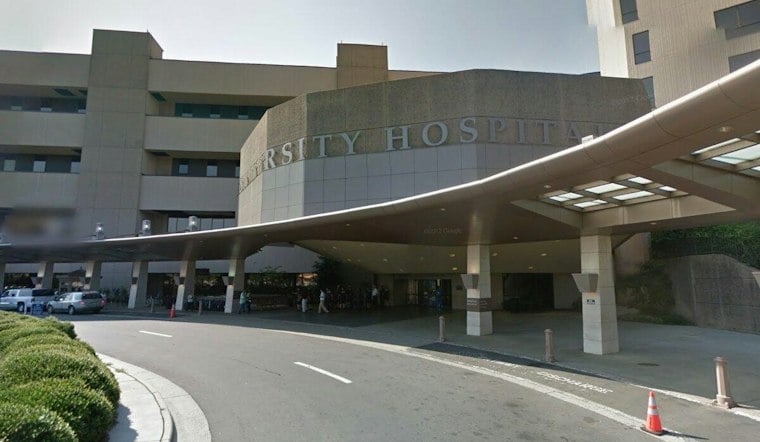
An 8-year-old boy from Harnett County, North Carolina is fighting a rare and aggressive brain tumor that has left his family pleading for more time. Janson Herring is hospitalized at Duke Children's Hospital in Durham after doctors diagnosed him with diffuse intrinsic pontine glioma, or DIPG, a cancer that forms in the brainstem and offers few treatment options.
“There's nothing that we can do but pray and hope for a miracle here,” Janson's uncle, Dylan Herring, said, according to ABC11 News. Dylan Herring described his nephew's diagnosis as unfavorable, and the family is now raising awareness and funds while working to get Janson into a clinical trial.
Janson experienced headaches and clumsiness. He grew unsteady on his feet, and his speech changed dramatically before his family took him to WakeMed, where a CT scan revealed a mass on his brainstem. He was transferred to Duke Children's Hospital, where doctors confirmed the DIPG diagnosis, per the same outlet's report.
A Cancer With No Cure and Narrow Odds
DIPG is most commonly diagnosed in children between the ages of 5 and 10, according to the National Cancer Institute, putting Janson within the typical age window for the disease. The cancer affects roughly 150 to 300 children in the United States each year and currently has no known cure, the agency has reported.
The numbers behind that diagnosis are grim. DIPG carries a median overall survival of just 8 to 11 months from diagnosis, with roughly 10% of patients alive at two years and approximately 2% surviving five years, according to DIPG.org. While childhood acute lymphoblastic leukemia survival climbed from 57% in 1975 to 92% by 2012, DIPG outcomes have barely budged in five decades, making brain tumors the leading cause of childhood cancer deaths, according to research published on PubMed.
Long-term survival of two years or more occurs in about 10% of cases and has been linked to diagnosis before age 3 or after age 10 and specific HIST1H3B histone gene mutations, according to OncLive.
Radiation Now, a Cross-Country Trial Next
Janson is expected to begin radiation treatment soon, a course that will last six weeks, and doctors say he may be able to return home between sessions if his condition allows. His family will travel regularly between Harnett County and Durham throughout the treatment, according to ABC11's report.
Radiation remains the standard frontline treatment for DIPG because it can briefly improve neurological symptoms, but progression almost always returns within months since the disease infiltrates the brainstem too diffusely for radiation to eliminate it, according to research indexed on PubMed. It's a sobering reality that has pushed the Herring family to look beyond standard care entirely.
That search has led them toward a clinical trial, which Dylan Herring expects would last seven to nine months if Janson is accepted. The commitment would take him out of work to care for his son full time.
Inside the Experimental Treatment Families Are Chasing
Seattle Children's has become a destination for families like the Herrings in part because its Brain Tumor Program, an NCI-designated comprehensive cancer center run in partnership with Fred Hutchinson Cancer Center, reports pediatric brain tumor survival rates roughly 10% higher than national benchmarks, according to Seattle Children's Hospital. BrainChild Bio's pivotal Phase 2 ILLUMINATE trial, initiated in September 2026, will test BCB-276, an investigational CAR T-cell therapy engineered to target B7-H3, at six U.S. pediatric oncology centers, according to BioSpace.
With the blood-brain barrier remaining relatively intact, many experts believe most historically delivered treatments did not reach DIPG tumors or reached them in very small quantities. The ILLUMINATE protocol delivers engineered immune cells directly into the brain's cerebrospinal fluid through a catheter-reservoir system, spread across 15 doses over seven to eight months, per BioSpace's reporting.
Dr. Sarah Leary, a pediatric neuro-oncologist at Seattle Children's, said researchers still don't fully understand why DIPG strikes roughly one in a million children, and that the search for answers continues. She said experimental therapies have produced encouraging results in some patients, with some who received experimental treatment doing well without their tumors growing back, and that researchers will keep working until cures exist for everyone diagnosed with the disease.
Recognizing DIPG Symptoms
Doctors say the symptoms of DIPG can include persistent headaches, balance and walking problems, facial drooping, trouble with eye movement or double vision, weakness in the arms or legs, and difficulty speaking, chewing or swallowing. Because these symptoms can progress rapidly, physicians encourage parents to seek medical attention promptly for any unexplained neurological changes in their children.
For now, the Herring family is focused on getting Janson through radiation and toward whatever comes next. “Give us a chance to have our sweet Janson for a little bit longer,” Dylan Herring has asked, hoping that his son's story will bring more attention, and more urgency, to a disease that has changed so little in fifty years.



