

























































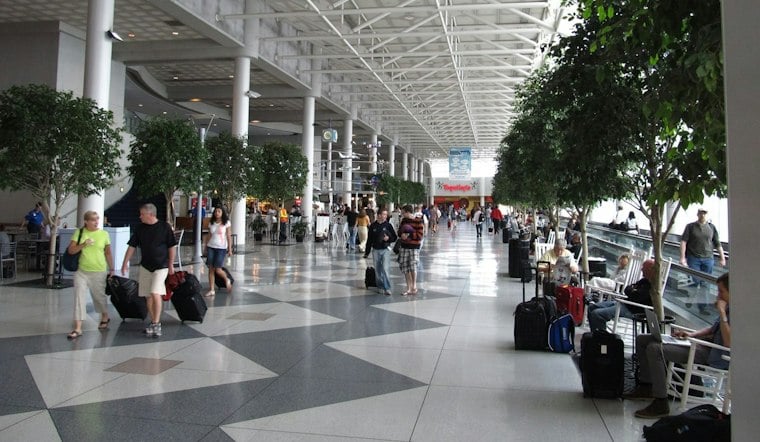
HMSHost suspended an employee and opened an investigation after motivational speaker Lizzie Velasquez said she was asked to leave a Midwood Smokehouse table at Charlotte Douglas International Airport because of the size of her order, according to WSOC-TV’s report. The company also contacted Velasquez to apologize, the station reported.
Velasquez was traveling alone during a layover and said she first asked for a children’s menu, then ordered a side of macaroni and cheese after being told the restaurant did not offer one. She said the exchange left her humiliated; another traveler who witnessed it offered her a place at their table, according to WSOC-TV. Velasquez said the issue was not simply the restaurant’s ordering policy, but how the interaction was handled.
The airport concession relationship
The airport restaurant is operated by HMSHost, which Charlotte Douglas identifies as its food and beverage concessionaire. That identifies HMSHost’s concession role, but does not by itself establish what oversight the airport exercised in this incident. Midwood Smokehouse said the airport team fell short of its expectations, that guests should not be turned away because of order size, and that it asked HMSHost to retrain the team, WSOC-TV reported.
HMSHost said the employee’s treatment of Velasquez was regrettable and did not reflect the company’s standards, values or goal of treating customers with dignity and respect, according to the station. The length of the suspension and the investigation’s outcome have not been reported; the employee has not given an on-the-record account in the available report.
What the ADA context does—and does not—show
Federal rules implementing Title III of the Americans with Disabilities Act list restaurants and other establishments serving food or drink as public accommodations; the relevant regulation and a U.S. Department of Justice agreement provide that general classification. It does not establish that this encounter violated the ADA. The available account does not say that Velasquez requested a disability-related modification or describe a legal finding, so the reported facts do not resolve any question of legal liability.





