

























































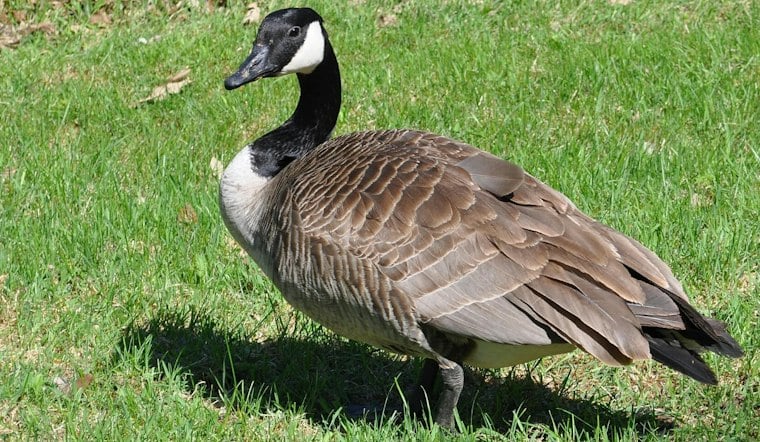
Predator decoys can deter Canada geese for a time, but the birds may eventually stop responding to them. The North Carolina Wildlife Resources Commission says decoys are generally more effective when moved periodically or combined with active hazing. NC Wildlife Resources Commission guidance describes hazing as a legal, permit-free option when it does not physically harm the birds.
Deterrents and legal limits
Property owners can also use noise or trained dogs to move geese along, according to the Wildlife Resources Commission. Repellents applied to turf are another option: methyl anthranilate, which occurs naturally in grapes, deters grazing by taste, while anthraquinone causes digestive discomfort. The commission notes that some repellents may be restricted-use products.
Canada geese are protected under federal law, but limited nest and egg management is allowed under federal depredation regulations when the required criteria are met. The Wildlife Resources Commission says people must register before destroying any nests or eggs; if eggs are present, a free federal permit is required. The commission’s guidance outlines those conditions.
Why decoy reports keep surfacing
The News & Observer has reported that residents in Cary, Raleigh and Apex mistook goose-deterring decoys for real animals. Its account of a September 4 report near High House Road and NW Maynard Road said Cary Animal Services found that the reported coyote was a cutout placed by a nearby business to discourage geese. The News & Observer’s report is the source for those local sightings.





