

























































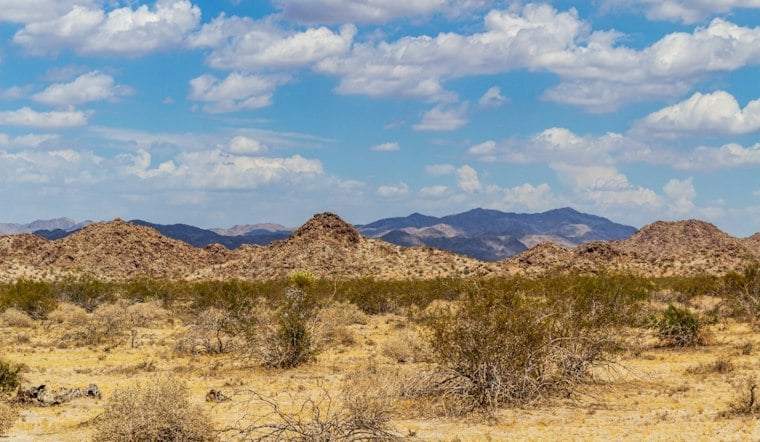
A federal decision to reject more than 130 partnership agreements at national parks has put planned wildfire-prevention work at Joshua Tree National Park on hold, along with projects elsewhere, according to Yahoo News. The agreements represented more than $25 million and had already cleared congressional appropriations or existing federal grant programs but were awaiting the Interior Department's final approval before the money could be released.
Interior Department Defends the Freeze
Interior Department spokesperson Aubrie Spady confirmed the agency disapproved partnership agreements with organizations it considers to be actively working against the best interests of the American people, according to DC News Now. Spady said the move aligns taxpayer dollars with administration goals of lowering costs, expanding public land access, and boosting domestic energy production. The disapproved agreements covered projects at Yellowstone, Yosemite, Zion, Joshua Tree, and other national parks.
No single group absorbed more of the fallout than the Great Basin Institute, a Nevada-based conservation non-profit that works with federal land agencies. The organization saw more than 70 of its partnership agreements rejected, accounting for at least $12 million of the roughly $25 million blocked nationwide, as reported by Yahoo News. Great Basin Institute CEO Peter Woodruff told the outlet's reporting that the department never directly notified the organization about the decision, leaving him without an explanation for why the agreements were blocked.
Joshua Tree Faces Wildfire and Health Risks
At Joshua Tree National Park in California, at least 10 rejected agreements would have supported 16 workers handling fire prevention, burned-area restoration, and the removal of hantavirus-carrying rodents from historic park structures. Internal documents warned that losing the work could leave the park less prepared to fight wildfires, allowing some fires to grow larger and making them more expensive to suppress.
What the wildfire research shows
The available research does not establish how often wildfires affected Joshua Tree National Park or nearby Coachella Valley communities during the past decade. It does offer context for why prevention work matters: according to the Los Angeles County Fire Department, fuel breaks can give firefighters access to wildfires and slow some fires before they exceed initial-attack capabilities.
The stakes extend well beyond California's desert parks. At Golden Gate National Recreation Area, a blocked partnership agreement suspended a habitat conservation project protecting the federally endangered San Francisco garter snake, a species that has held federal endangered status since 1967. In Alaska, the funding block ended support for three workers who cared for Denali's working sled dogs. And at Effigy Mounds National Monument in Iowa, the freeze halted forestry work meant to clear dangerous trees threatening to fall onto prehistoric Native American burial mounds.
Cuts Layer on Top of Existing Staffing Crisis
The blocked agreements land atop a National Park Service already stretched thin. Between January 2025 and May 2026, the agency lost roughly 25% of its permanent workforce, more than 4,000 positions, a decline compounded by a late-2025 Interior Department rule capping new hires at one for every four workers who depart, as previously reported by Hoodline. Nonprofit partnerships like the ones now blocked exist precisely because the Park Service routinely relies on outside organizations to supply workers or specialized expertise it can no longer hire directly, without adding permanent employees to the federal payroll. Great Basin Institute agreements also extend beyond trail and forestry work, including a cooperative agreement to manage the Yellowstone Research Library, which holds more than 22,000 library materials, according to the National Park Service.
California lawmakers have already pushed back against the broader trend of federal park cuts. In August 2026, the state legislature passed Assembly Joint Resolution 9, formally petitioning Congress to restore national park funding and reverse federal operational cuts affecting California's park sites, which generated $5.1 billion in local economic activity in 2023. The freeze also arrives amid other Interior Department land moves in the West: last July, President Trump signed orders reducing the size of Bears Ears and Grand Staircase-Escalante national monuments in Utah, a decision that Patagonia and a coalition of Native American and environmental groups have since challenged in court.
It remains unclear whether Great Basin Institute or other affected nonprofits will pursue legal action over the blocked agreements, how individual park superintendents intend to cover essential duties like wildfire prevention without the promised funding, or whether Congress will intervene as fiscal year budget negotiations continue.




