

























































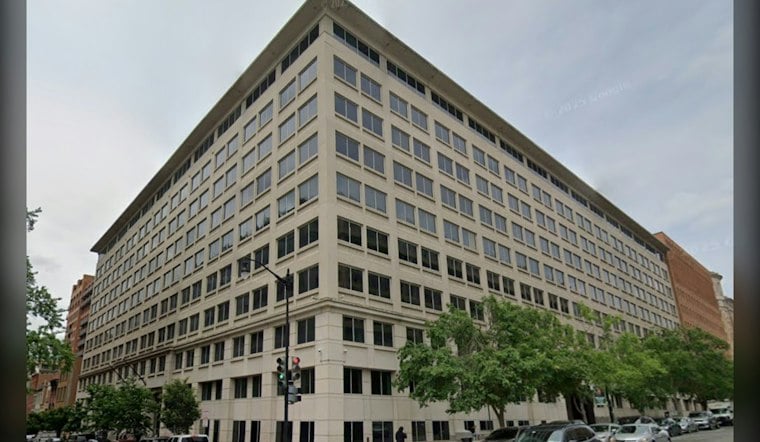
Two major Washington, D.C. landlords, JBG Smith and Mid-America Apartments, have agreed to pay a combined $9.3 million to settle allegations that they used software to illegally coordinate apartment rents across the District. JBG Smith will pay $8.1 million and MAA will pay $1.2 million, according to D.C. Attorney General Brian Schwalb, who announced the settlements this week. The two companies were accused of working with other landlords to drive up rents using pricing software from RealPage, a Texas-based revenue-management firm.
The case against JBG Smith and MAA is the latest chapter in a legal fight D.C. Attorney General Brian Schwalb first launched in November 2023, when his office sued RealPage and 14 major property management companies under the District of Columbia Antitrust Act, according to WJLA. That original complaint was the first government lawsuit against RealPage and 14 major property management companies, according to Cohen Milstein, with prosecutors alleging the arrangement functioned as a District-wide housing cartel affecting more than 50,000 apartments.
JBG Smith owns more than 4,500 units in the District and allegedly used RealPage software to set rents at multiple D.C. properties, per the same account from WJLA. MAA, meanwhile, owns 269 units in the city and used the software at one property. Both companies allegedly relied on RealPage to set rental prices rather than competing directly with other landlords, and are accused, along with 12 other landlords, of participating in the broader price-fixing arrangement.
How the Software Allegedly Worked
RealPage provides revenue-management software that uses non-public, competitively sensitive pricing data from property owners and managers to analyze supply and demand and generate recommended rental prices, the station's report states. More than 30% of D.C. multifamily apartments in buildings with at least five units have been priced using RealPage software, and that figure climbs to about 60% in buildings with 50 or more units, according to the article. Schwalb said his office will continue enforcing fair and competitive housing markets, adding that District residents face severe housing affordability challenges.
The settlement funds will go toward civil penalties, payments to impacted residents, and legal fees. As part of the agreement, JBG Smith and MAA must change how they set rents going forward — they cannot use rent-setting software that relies on private pricing information from other landlords, cannot share private information with other landlords in a way that could help set prices collaboratively, and cannot encourage other landlords to use this type of software or follow its recommended rents.
Years of Escalating Legal Pressure
JBG Smith and MAA join a growing list of D.C. landlords that have settled with the Attorney General's office. William C. Smith & Co. paid over $1 million in June 2025, while Avenue5 Residential and Bell Partners each paid $700,000 in June 2026, according to the Office of the Attorney General for the District of Columbia. Combined with the JBG Smith and MAA settlements, the District has now recovered more than $11.7 million in this litigation. The agreements were reached in connection with the litigation.
Not every defendant in the original case has faced the same outcome. In May 2024, D.C. Superior Court Judge Todd Edelman granted a motion to dismiss for AvalonBay Communities after determining its contracts explicitly prohibited sharing private pricing data, while denying dismissal motions for JBG Smith and Highmark Residential, according to Multifamily Dive. The original case also included RealPage and other landlord defendants, including Bozzuto and Equity Residential.
Later Federal Enforcement
Other regulators later brought federal enforcement actions. In August 2024, the U.S. Department of Justice, joined by eight state attorneys general, filed a civil antitrust lawsuit against RealPage in federal court in North Carolina, alleging the company unlawfully monopolized commercial revenue-management software, per the U.S. Department of Justice. Federal officials cited internal RealPage documents stating its software aimed to “drive every possible opportunity to increase price.”
The Justice Department expanded that lawsuit to sue six major national landlords — Greystar, LivCor, Camden, Cushman & Wakefield/Pinnacle, Willow Bridge, and Cortland. A proposed settlement involving RealPage included a 12-month limit on the use of non-public competitor data.
Separately from the government penalty actions, a private class-action lawsuit consolidated in federal court in Tennessee resulted in 37 property management defendants agreeing to a $359.9 million settlement fund covering renters nationwide who paid rent at RealPage-licensed properties between October 2018 and November 2025, as Hoodline previously reported. Affected tenants have until January 29, 2027, to file claims for that fund.
Lawmakers and Cities Weigh In
Congress has also taken notice. U.S. Senators Ron Wyden and Peter Welch reintroduced federal legislation in 2025 called the End Rent Fixing Act, which addresses algorithmic price setting and compares algorithmic price setting to traditional smoke-filled room collusion. San Francisco became the first U.S. city to pass a municipal ban on similar algorithmic rent-setting software in 2024.
If the Office of the Attorney General for the District of Columbia confirms violations of the JBG Smith and MAA settlement terms, it will determine additional steps and may appoint an independent monitor at the companies' expense. D.C. residents with housing-condition complaints can reach the office at [email protected].



