

























































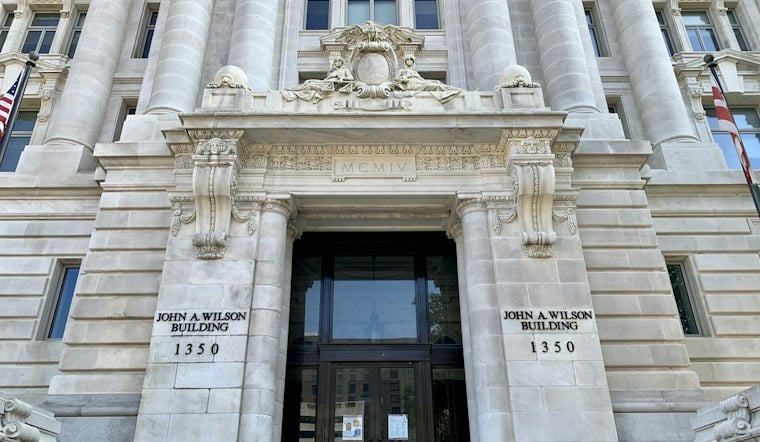
More than 90 public witnesses have signed up to speak when the D.C. Council convenes a hearing on school technology use, a session set to weigh everything from screen time limits to the growing presence of artificial intelligence in District classrooms. The hearing, scheduled for Friday, comes as a parent-led coalition pushes for a pause on student-facing generative AI tools and as advocates east of the Anacostia River warn that basic tech access, not just AI policy, remains unresolved for some of the city's most under-resourced students.
According to The Washington Informer, the D.C. Council will hold the hearing on school technology use on October 9 in Washington, with testimony expected from students, guardians, teachers and education officials. Council Chairman Phil Mendelson said he wants to hear from parents, educators and education officials about how technology is being managed in District schools, and the hearing builds on a previous session about the i-Ready online diagnostic and instructional software, per the same report. The Council had earlier withdrawn a disapproval resolution that would have blocked DCPS from extending its i-Ready contract, after members raised concerns about student screen time, data privacy and a lack of clear evidence the program works, according to Citizen Portal.
A Coalition Pushes to Pause AI Tutors
Maya Mechenbier, a Ward 3 resident and mother of two DCPS students, is part of Schools Beyond Screens DC, a group that formed in spring 2026 and now counts 10 to 15 actively contributing parents, per The Washington Informer. The group has drawn more than 700 people into its WhatsApp community and collected more than 1,500 signatures on an online petition, and it is specifically advocating for a pause on AI tutor products. Mechenbier said AI tutor products are largely unproven, experimental and mostly unregulated, the Informer reports, and she separately told DC News Now that a pause would give districts time to assess their safety and efficacy.
The proposed moratorium would cover student-facing generative AI tools such as chatbots, writing assistants and AI homework helpers, the station reports. A Brookings Institution study cited by the same report concluded that the risks of using generative AI in children's education currently outweigh its benefits. DC News Now also notes that DC Public Schools says its centralized approval process for digital tools, including AI products, includes data-privacy and security reviews, curriculum checks and accessibility reviews meant to verify that student information is protected.
Ward 8 Advocates Say the Basics Still Lag Behind
LaJoy Johnson-Law, the Ward 8 D.C. State Board of Education representative, said equitable computer access is being overlooked to the detriment of students east of the Anacostia River, where Ward 8 remains one of the District's most under-resourced jurisdictions, according to The Washington Informer. The concerns surfaced most recently at an East of the River technology conversation held September 22 at Bard High School Early College DC, which drew more than 40 community members and was hosted by the DC Charter School Alliance, D.C. State Board of Education representatives, Elected DC, PAVE, the Ward 7 Education Council and the Ward 8 Education Council.
That gathering surfaced recurring complaints: insufficient working devices, inconsistent Wi-Fi, restrictions on taking computers home, and uneven digital literacy instruction across schools, per the Informer's reporting. Eboni-Rose Thompson, the Ward 7 State Board of Education representative, has led drafting of an SBOE resolution informed by the Los Angeles Unified School District and the American Psychological Association, the paper notes.
Students Describe Mixed Feelings About Classroom Screens
Anthony Jones, a senior at Bard High School Early College DC, told the Informer that technology should be reduced in classroom settings so students can work directly with teachers. Jones, who experienced school closures during his sixth-grade year because of COVID-19 and learned proficient typing through online tools in middle school, said students can bypass learning and teacher help when technology is used without safeguards, per the same account. Aine Donaghy, a sixth-grade DCPS student, said DCPS students use more than 150 minutes of technology in school and told the paper she uses it mainly for research and preparing class presentations, though she wants more interpersonal engagement built into that screen time.
Drewana Bey said books, writing, discussion, movement, hands-on activities and peer relationships remain the primary focus of instruction, according to the Informer. DCPS has rolled out updated policies on acceptable technology use, student data protection and parental engagement, the paper reports, and the district's first Parent University meeting, held September 1, focused specifically on elementary school technology policy. That elementary policy includes purposeful learning, student safety and privacy, accessible and inclusive learning, responsible digital and AI learning, and family partnership, per the same reporting. Under the policy, DCPS teachers will select and preview video content, use approved ad-free pathways, connect viewing to a learning objective and supervise viewing, while students will learn to protect privacy, recognize bias, check sources, give credit and use human judgment with digital and AI-generated content.
Separately, DCPS's own published materials describe its technology policy as aiming to establish standards for acceptable network and device use, set expectations for responsible AI use, prevent unauthorized or unlawful use, and comply with applicable requirements, according to DCPS. The district says it uses technology purposefully when it strengthens instruction, deepens student thinking, expands access, supports individual learning needs, provides timely feedback, or builds digital literacy, citizenship and AI literacy, per its digital learning page.
Test Scores Rise as the Debate Plays Out
The policy debate is unfolding against a backdrop of academic gains. More than 60 schools improved DC CAPE English and language arts proficiency, with four schools posting double-digit percentage-point gains, and more than 80 public schools increased math proficiency, per the Informer's reporting. The Informer also reported four consecutive years of post-pandemic growth.
Friendship Public Charter School, which controls 15 schools, has entered an arrangement with American University to strengthen its use of AI in teacher pedagogy, according to the Informer. Everton Nelson, a math teacher at Friendship Ideal Campus, credited technology with contributing to student growth, the paper reports.
Mental Health and Absenteeism Also on the Table
Technology policy is just one of several issues D.C. students have pressed lawmakers on. At a March 19 roundtable discussion on schools at the Wilson Building, hosted by Mendelson because the Council oversees education agencies and their budgets, students repeatedly raised mental health, with some calling for increased city spending on counselors and therapists, according to WJLA. Students also discussed artificial intelligence use and chronic absenteeism, with one student telling the station, “I see students using artificial intelligence when they don't want to do an assignment.”
How D.C.'s Approach Compares Regionally and Nationally
D.C. is not alone in wrestling with these questions. Arlington Public Schools currently restricts student access to publicly available generative AI platforms such as ChatGPT, Gemini and Claude because the tools have not been approved for student use, DC News Now reports. Maryland and Virginia have passed state laws directing their education departments to create K-12 AI guidelines for local districts, though Virginia had not published its guidelines as of the station's reporting, while Maryland released guidance earlier this year.
The hearing will give D.C. Council members a chance to weigh those regional approaches against the District's own policies as they decide what, if anything, to change.





