

























































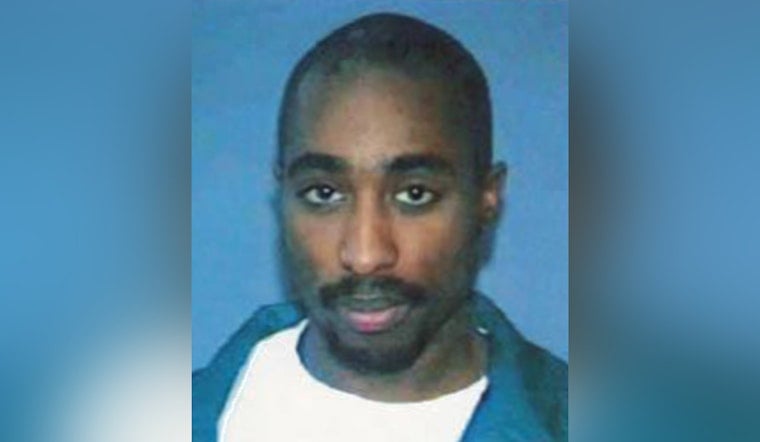
A Las Vegas jury took less than three hours to convict Duane “Keffe D” Davis, 63, of first-degree murder with a deadly weapon on Sunday, delivering the first-ever criminal conviction in the 1996 killing of rap icon Tupac Shakur. The verdict closes a cold case that sat unsolved for nearly 30 years before Davis was finally charged.
According to WBAL News Radio, citing reporting from the Associated Press, the jury reached its verdict in the Las Vegas trial in fewer than three hours. Davis never fired the fatal shots himself, but under Nevada Revised Statutes 200.030, prosecutors can convict a defendant of first-degree murder as an accomplice if they prove he willfully aided, abetted, or orchestrated a premeditated killing, as explained by FindLaw. Prosecutors maintained that Davis supplied the gun used in the shooting and directed the retaliatory ambush, according to CBS News.
A Revenge Killing Traced Back to an MGM Grand Brawl
Prosecutors presented surveillance video and testimony arguing the drive-by shooting was gang revenge after Shakur, Death Row Records founder Marion “Suge” Knight, and members of the Mob Piru gang beat Davis's nephew, Orlando Anderson, in the lobby of the MGM Grand following a Mike Tyson fight hours earlier on September 7, 1996, as reported by the Los Angeles Times. Anderson was a member of the rival South Side Compton Crips. The shooting itself unfolded at 11:15 p.m. at East Flamingo Road and Koval Lane near the Las Vegas Strip, where a white Cadillac pulled up beside Knight's black BMW and fired shots from a .40-caliber Glock, striking Shakur four times, according to PBS. Shakur died six days later, on September 13, 1996, while Knight survived with minor grazing wounds.
Davis's Own Words Became the Prosecution's Star Witness
During the trial, prosecutors called 24 witnesses and leaned heavily on Davis's own public statements, including his 2019 memoir “Compton Street Legend,” YouTube interviews, and recorded jailhouse calls in which he identified himself as a South Side Compton Crips “shot caller” riding in the white Cadillac's front passenger seat, per ClickOnDetroit. Davis reportedly expressed regret on jail calls about having given those public interviews at all. Jurors also heard a recorded 2008 police interview in which Davis admitted to passing a handgun to the backseat of the Cadillac, telling investigators his nephew, Orlando Anderson, took the weapon and opened fire on Shakur. Anderson died in an unrelated gang shooting in 1998 and was never charged in Shakur's death.
Retired Compton gang detective Robert Ladd testified that Shakur's killing immediately ignited a 10-day gang war in Compton that included three homicides and 10 attempted murders between the South Side Crips and Mob Pirus, telling the Los Angeles Times that law enforcement had “no doubt” about which gang was responsible. Ladd, who tracked Compton gangs for years, offered jurors expert context on the broader violence that followed the shooting.
Defense Called Davis's Confessions Tall Tales for Profit
Defense attorney Michael Sanft pushed back hard, arguing that Davis's media statements were fabricated stories designed to generate publicity and money, and that prosecutors produced no DNA, fingerprint, phone record, or surveillance evidence placing Davis in Las Vegas that night, per CBS News. Sanft urged jurors to look past what he characterized as Davis's self-aggrandizing claims rather than treat them as literal confessions.
Davis was arrested on September 29, 2023, after a Clark County grand jury indicted him for first-degree murder, reviving a case that had sat open for 27 years without a single suspect indicted, according to Courthouse News Service. His legal troubles didn't stop at the murder charge. While awaiting trial at the Clark County Detention Center, Davis was separately convicted of battery and sentenced to jail time for a December 2024 fight with another inmate, a sentence handed down by Clark County District Judge Nadia Krall.
Confessions That Outlasted a Cold Case
The conviction ultimately hinged less on physical evidence from 1996 than on Davis's own decades of public boasting. Prosecutors built their case almost entirely on his memoir, interviews, and recorded law-enforcement statements, weaving in expert testimony about Compton gang rivalries and the retaliatory violence that followed the MGM Grand brawl. Whether those statements amounted to genuine confessions from a gang shot caller or exaggerated stories told for notoriety was the central question jurors had to resolve, especially given the absence of DNA or phone evidence tying Davis directly to the crime scene. In the end, the words Davis chose to share with the world became the evidence that closed one of hip-hop's most enduring mysteries.





_(cropped).png)